

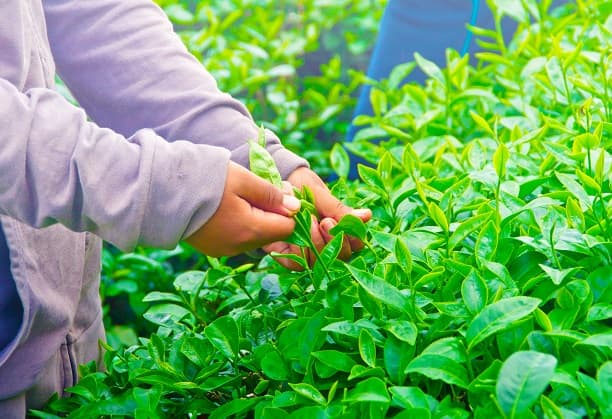
Climate Resilient Tea Cultivation & Manufacturing in South India via Adoption of Regenerative Practices, Energy Efficiency & GHG Management - Phase 1
Principal Investigator
Prof. Mahesh Panchagnula
Co-Investigator
Prof. Satyanarayana Seshadri
Objective
- This collaborative project between UPASI Tea Research Foundation (TRF) and the Industrial Energy Assessment Cell (IEAC) at IIT Madras aims to develop a climate-smart, low-carbon, and regenerative framework for sustainable tea production.
Description
- South India's tea sector forms the backbone of the regional plantation economy, employing millions and contributing significantly to India's exports. However, the sector faces increasing threats from climate change, energy inefficiency, and environmental degradation. The project will combine field-based carbon sequestration studies, regenerative agricultural interventions, and factory-level energy and GHG audits to quantify, reduce, and offset the carbon footprint of tea production in South India.
Impact
- Reduction in GHG emissions from field and factory sources., Enhanced soil organic carbon and improved water-use efficiency., Increased/sustained yield and quality through regenerative management., Reduced dependence on synthetic fertilizers and pesticides., Energy cost savings and improved profitability for estates and small growers., Strengthened local capacity through training and outreach., Standardized carbon accounting framework adaptable for other crops.