
Noteworthy Projects
Discover Noteworthy Projects through SOCIITY, the IIT Madras CSR and social impact platform, showcasing impactful collaborations, innovations, and research initiatives connecting corporates, alumni, and academia.
Advancing India's Quantum Future
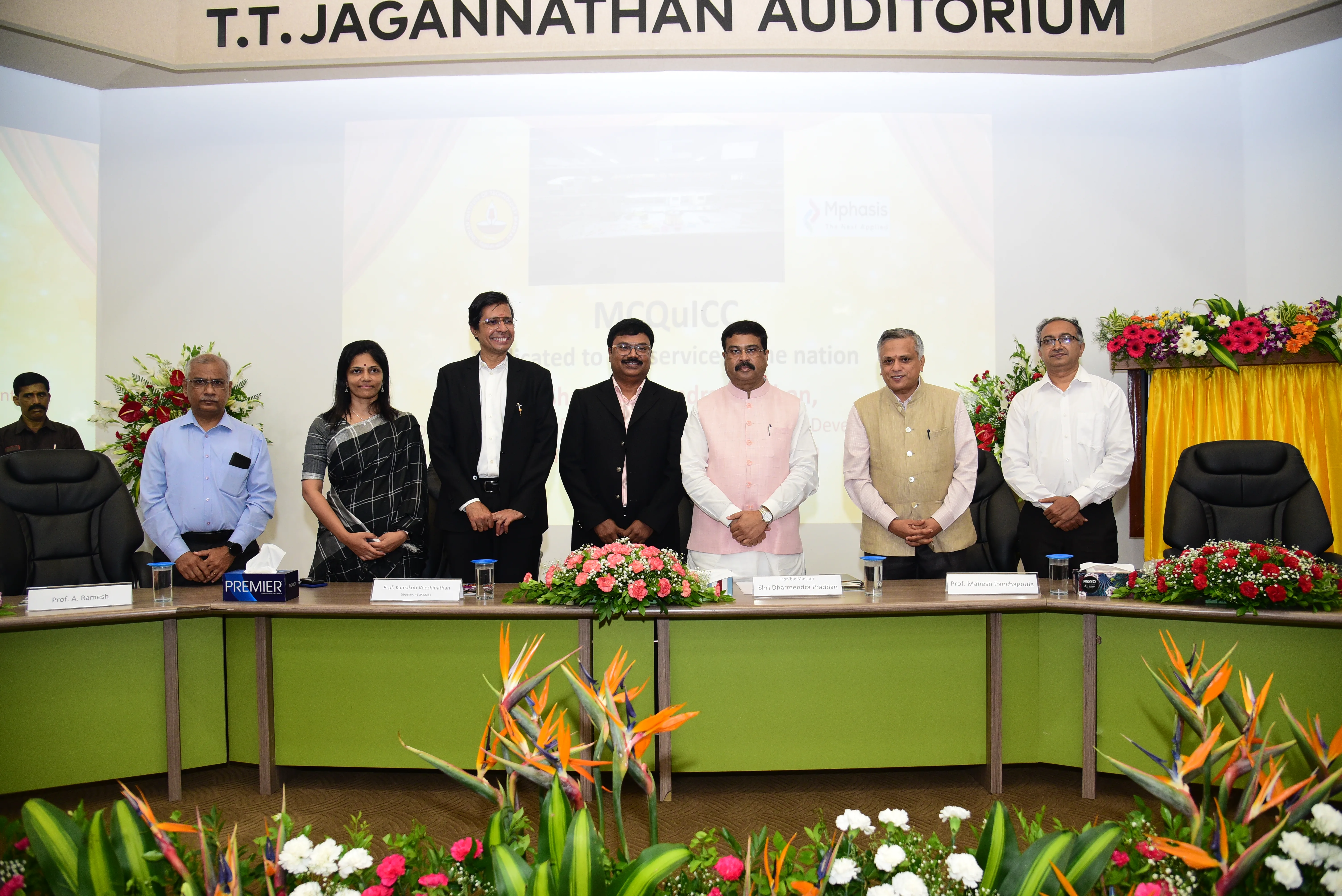
Building World-Class Research, Talent, and Innovation through the Mphasis Centre for Quantum Information, Communication and Computing (CQuICC) A pioneering partnership accelerating quantum technologies through breakthrough research, industry collaboration, and the development of India's next generation of quantum scientists. The Challenge Quantum technologies are poised to redefine computing, communication, cybersecurity, sensing, and scientific discovery. However, realizing this potential requires sustained investment in fundamental research, skilled talent, advanced infrastructure, and interdisciplinary collaboration. Building a globally competitive quantum ecosystem demands not only scientific breakthroughs but also a strong pipeline of researchers capable of translating research into real-world applications. Vision The Mphasis–CQuICC partnership envisions establishing IIT Madras as a global centre of excellence in quantum technologies by fostering breakthrough research, nurturing highly skilled talent, and accelerating innovation that addresses future challenges in computing, communication, and information security. Through sustained collaboration between academia and industry, the initiative aims to build the scientific foundations that will power the quantum economy of tomorrow. The Initiative The Mphasis Centre for Quantum Information, Communication and Computing (CQuICC) at IIT Madras serves as a multidisciplinary hub dedicated to advancing quantum science and technology. The centre brings together experts across physics, computer science, electrical engineering, and artificial intelligence to address some of the most challenging problems in quantum computing, communication, sensing, and information processing. Beyond research, CQuICC actively nurtures India's quantum ecosystem through specialised training programmes, seminars, international collaborations, and scientific conferences, creating an environment where innovation, education, and industry engagement reinforce one another. Driving Quantum Innovation Research at CQuICC spans a broad spectrum of frontier technologies, including: Quantum computing algorithms for chemistry and scientific simulations Quantum error correction and fault-tolerant computing Machine learning for quantum hardware optimisation Quantum communication and secure digital payments Quantum sensing and photonic technologies Quantum many-body systems and protein structure prediction The centre also strengthens India's research ecosystem by hosting international seminar series, scientific symposia, and collaborative programmes that connect researchers, students, and industry leaders from across the world. Beneficiaries The initiative creates long-term value across multiple stakeholder groups: Students and early-career researchers through specialised quantum education, mentorship, and research opportunities. Faculty and research scientists through interdisciplinary collaboration and access to advanced research infrastructure. Industry partners by enabling translational research in emerging quantum technologies. The broader scientific community through open seminars, conferences, publications, and international collaborations. Society at large , through technologies that will strengthen secure communications, healthcare, financial systems, advanced materials discovery, and next-generation computing. Impact The centre has established itself as one of India's leading quantum research initiatives by combining high-impact scientific research with ecosystem building. During the reporting period, CQuICC expanded its laboratory infrastructure, trained over 110 participants through its quantum education programme, hosted a national symposium with 112 researchers and 14 invited speakers , organised an active seminar series featuring global experts, and continued producing high-quality research published in leading international journals and conferences. Partnership Mphasis has partnered with IIT Madras to build a world-class quantum research ecosystem that combines frontier science with talent development and industry relevance. By supporting CQuICC, Mphasis is contributing to India's long-term leadership in quantum technologies while enabling research that has the potential to transform industries ranging from healthcare and finance to cybersecurity and advanced computing.
AI-Powered Screening, Guidance and Learning for Children with Dyslexia
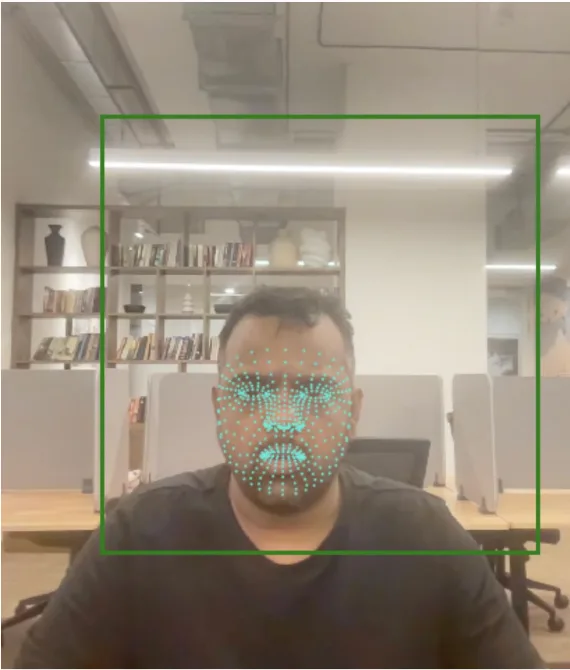
Transforming Inclusive Education through Artificial Intelligence A collaborative initiative by IIT Madras and the Madras Dyslexia Association, supported by Capgemini. The Challenge Dyslexia is one of the most common specific learning disabilities, affecting children's ability to read, spell, and process language despite normal intelligence. Often hidden and lifelong, dyslexia frequently goes undiagnosed until children begin to struggle academically, leading to reduced confidence, learning gaps, and long-term educational disadvantages. Many families and schools lack access to timely screening, personalised interventions, and specialised learning resources. The Solution To address this challenge, IIT Madras, in partnership with the Madras Dyslexia Association , is developing an AI-driven learning ecosystem that enables early screening, personalised guidance, and adaptive learning support for children with dyslexia. The platform combines artificial intelligence, eye-tracking technology, learning analytics, and evidence-based educational content to identify individual learning challenges and recommend tailored interventions for children, educators, and caregivers. Innovating for Personalized Learning The project is designed around three integrated capabilities: AI-powered screening , targeted guidance , and adaptive learning content . Children undergo a comprehensive baseline assessment incorporating reading ability, phonological awareness, memory, attention, language skills, and eye-tracking analysis. Using these inputs, AI models classify learning difficulties and map personalised learning pathways, while caregivers receive targeted recommendations and children engage with scaffolded digital content that adapts to their learning progress. Progress So Far Significant progress has already been made in developing the platform. Variables required for the screening algorithm have been identified, an in-house eye-tracking web application has been developed, and 440 student data samples have been collected to support AI model development. Data collection protocols, privacy safeguards, operating procedures, and consent frameworks have been established, while mobile application design, reinforcement learning content, and feature engineering are currently underway. Potential Impact By combining artificial intelligence with educational research and clinical expertise, this initiative has the potential to transform how dyslexia is identified and supported across India. The platform aims to make early screening more accessible, empower parents and teachers with personalised guidance, and provide children with engaging, adaptive learning experiences tailored to their individual needs. Ultimately, the project seeks to improve educational outcomes, reduce learning disparities, and create a more inclusive learning environment where every child has the opportunity to succeed. At a Glance The project is being jointly executed by IIT Madras and the Madras Dyslexia Association , with support from Capgemini , to develop an AI-powered platform for early dyslexia screening and personalised learning. The solution integrates eye-tracking, reading assessments, learning analytics, adaptive educational content, and AI-based classification to deliver scalable, evidence-based support for children with dyslexia, while equipping parents, teachers, and caregivers with the tools needed to foster inclusive education.
AI4Bharat – Advancing Inclusive AI for India’s Linguistic Diversity
Overview AI4Bharat , an initiative of Indian Institute of Technology Madras, is a pioneering research lab focused on building open-source Artificial Intelligence solutions for Indian languages . Established with the vision of bridging the digital divide, AI4Bharat is working towards making AI accessible to all Indians—regardless of language barriers. Its work spans critical domains such as machine translation, speech recognition, text-to-speech, transliteration, and large language models (LLMs) , all tailored to India’s multilingual ecosystem. CSR Vision & Societal Relevance AI4Bharat operates at the intersection of technology and social impact , aligning strongly with CSR priorities such as: Digital inclusion Equitable access to technology Preservation and promotion of regional languages Public digital infrastructure development By creating open datasets, models, and tools as digital public goods , the initiative enables startups, governments, and institutions to build language-first solutions for millions of underserved citizens. Key Initiatives & Programs 1. Open-Source Language AI Ecosystem AI4Bharat has developed state-of-the-art models such as: IndicBERT, IndicBART (LLMs) IndicTrans (machine translation) IndicWav2Vec & IndicWhisper (speech recognition) These tools support all 22 scheduled Indian languages , enabling scalable adoption across sectors. 2. National-Scale Data Infrastructure (Bhashini Mission) As part of India’s Digital India Bhashini initiative , AI4Bharat is leading large-scale data collection and annotation efforts: Multi-language datasets for speech, text, and translation Open infrastructure for AI research and deployment This effort strengthens India’s AI sovereignty and linguistic inclusivity . 3. Grassroots Data Collection & Employment AI4Bharat’s nationwide programs involve: Data collection from hundreds of districts Collaboration with translators, annotators, and voice artists This creates employment opportunities while preserving linguistic diversity . Financial Contributions (CSR / Philanthropy) ₹36 Crore Grant from Nilekani Philanthropies to establish the Nilekani Centre at AI4Bharat ~₹70 Crore Total Commitment (multi-year philanthropic funding) supporting long-term AI research and infrastructure These contributions highlight strong HNI-led CSR and philanthropic backing for building digital public goods. Non-Financial Impact Metrics Scale of Data & Research 15,000+ hours of transcribed speech data being collected across India Coverage across 400+ districts Support for 22 Indian languages Language & AI Infrastructure 2.2 million+ translation pairs in multilingual datasets Development of multiple state-of-the-art AI models across NLP and speech Human Capital & Ecosystem 100+ translators and annotators contributing to dataset creation Collaboration across academia, industry, startups, and government Technology Impact AI models powering public digital platforms and language tools in India Enabling startups and enterprises to build Indic-language applications CSR Impact Narrative AI4Bharat represents a shift from technology for profit → technology for public good . Its open-source approach ensures that: A farmer can access government schemes in their native language A student can learn without English being a barrier A citizen can interact with digital services seamlessly By addressing linguistic inequality , AI4Bharat is unlocking inclusive digital transformation at scale . Conclusion AI4Bharat stands as a model CSR-aligned initiative where philanthropy, research, and public impact converge . With strong financial backing and measurable societal outcomes, it is not just building AI systems but building the linguistic backbone of India’s digital future .
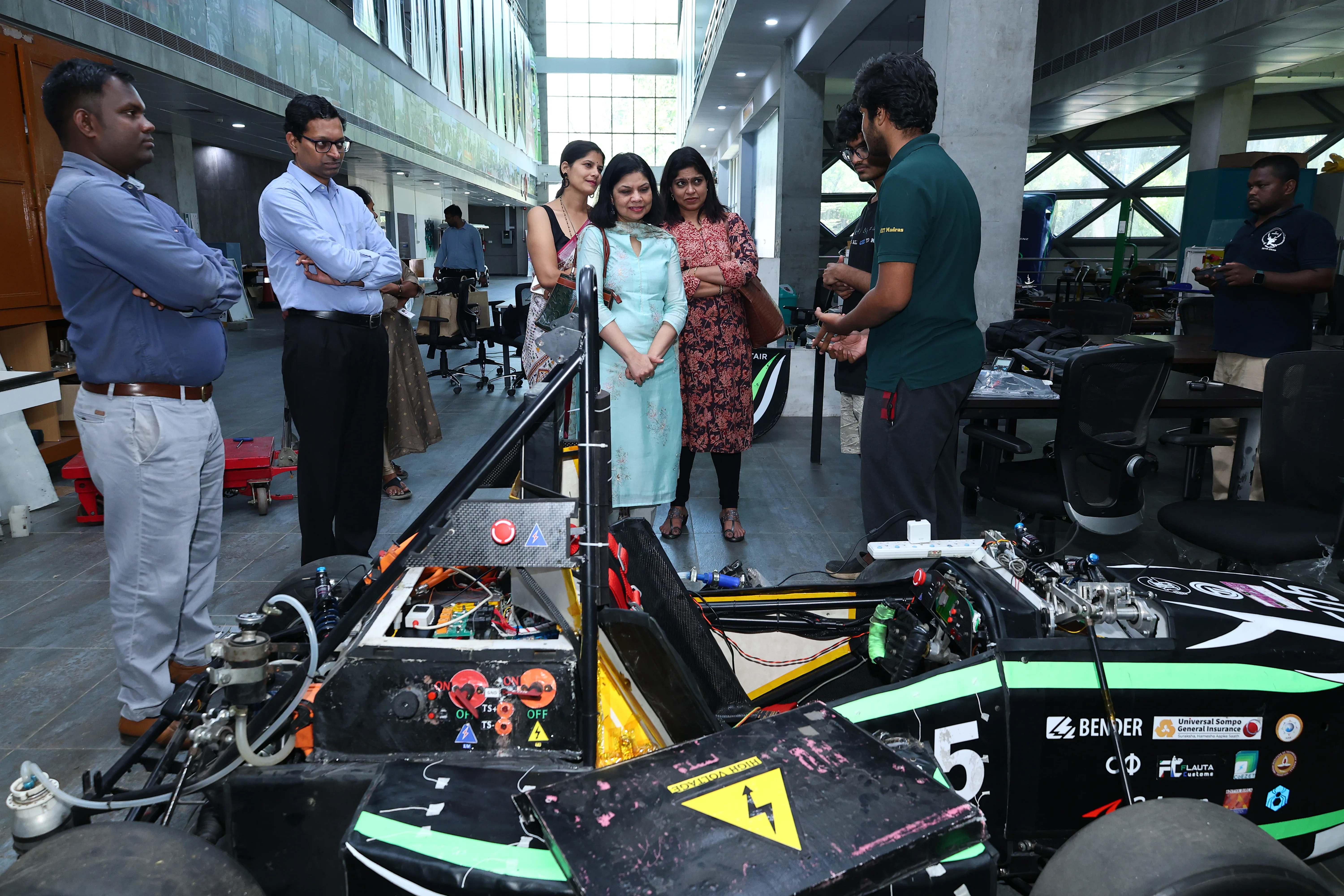
Aptiv – Nirmaan Entrepreneurship Development Programme
Overview The Aptiv-supported Entrepreneurship Development Programme at IIT Madras strengthens the institute's innovation ecosystem by empowering aspiring student entrepreneurs through the Nirmaan Pre-incubator. Supported by Aptiv Components India Private Limited , the initiative nurtures early-stage startups from ideation to commercialization through structured pre-incubation, mentorship, seed support, and ecosystem access. The programme enables innovators to validate ideas, build prototypes, develop business models, and prepare for incubation, creating a strong pipeline of technology-driven ventures. Vision The Aptiv-supported programme envisions building a vibrant entrepreneurial ecosystem where promising ideas are transformed into impactful enterprises. By strengthening pre-incubation, fostering innovation, and encouraging technology commercialization, the initiative contributes to IIT Madras' mission of creating globally competitive startups that generate economic value while addressing pressing societal challenges. Objectives The programme aims to foster a culture of entrepreneurship by providing comprehensive support to student innovators through Nirmaan's Pratham and Akshar programmes. It equips founders with mentorship, technical guidance, funding opportunities, and entrepreneurial training to transform innovative ideas into scalable ventures while promoting solutions that address real-world challenges. Key Highlights Supported 27 entrepreneurs across Pratham, Akshar, and graduated startup cohorts. Enabled 14 Pratham teams , 5 Akshar teams , and 8 graduated startups through structured pre-incubation. Facilitated the creation of 3 Intellectual Property (IP) filings. Supported innovations aligned with 4 United Nations Sustainable Development Goals (SDGs) . Helped multiple startups progress towards incubation at the IIT Madras Incubation Cell while enabling prototype development, customer validation, product refinement, and market readiness. Impact The programme has supported startups across diverse sectors including artificial intelligence, aerospace, healthcare, clean energy, biotechnology, manufacturing, fintech, mobility, agriculture, and sustainability . Through mentorship, product development support, customer discovery, and entrepreneurial capacity building, founders have successfully developed prototypes, acquired early users, secured intellectual property, and advanced towards commercialization and incubation. Beneficiaries The initiative directly benefits: Student entrepreneurs and early-stage startup founders Research-driven innovators Technology startups emerging from IIT Madras Faculty mentors and innovation ecosystem partners Society through solutions addressing healthcare, sustainability, education, mobility, agriculture, and digital transformation challenges.

AquaMAP: Building Water-Secure Communities through Collaboration
At the heart of Indian Institute of Technology Madras lies AquaMAP, an interdisciplinary centre dedicated to solving India’s most pressing water challenges. Conceived and funded by alumni, AquaMAP integrates technology, policy, and community engagement to design scalable, sustainable water management solutions across the country. With a mission to develop replicable water innovation models , the centre has already: Benefited 15,000+ people across Tamil Nadu and Karnataka Executed 18+ projects addressing water and wastewater challenges Built multi-stakeholder partnerships involving government, industry, and communities AquaMAP’s CSR impact is deeply rooted in its industry collaborations , where corporates play a crucial role in scaling real-world solutions. 1. Collaboration with IBM – Technology-Driven Rural Transformation AquaMAP’s partnership with IBM stands out as a strong example of CSR-led technology deployment . MoU Value: ₹70.5 lakhs Project Focus: Water and wastewater management for village transformation Location: Sidlaghatta region, Karnataka Villages Covered: Mallur, Muthur, Kachahalli (among others) Impact & Approach AquaMAP designed and implemented integrated water management systems Focus on clean water access and sanitation improvements Enabled data-driven decision-making for rural water infrastructure This collaboration reflects how corporate CSR funds + academic expertise can create scalable, sustainable rural water solutions. It also aligns with AquaMAP’s broader work in deploying nature-based wastewater solutions , which have already influenced policy-level scaling in Karnataka. 2. Collaboration with CPCL – Industrial Sustainability & Water Stewardship The collaboration with Chennai Petroleum Corporation Limited represents AquaMAP’s engagement with heavy industry for environmental sustainability . Focus Areas Industrial water management and effluent treatment optimization Supporting pollution control and regulatory compliance Leveraging IIT Madras expertise in environmental engineering and remediation AquaMAP, led by experts like Prof. Ligy Philip, has a strong track record of working with industries on: Treatment of highly polluted industrial effluents Bioremediation of contaminated water and soil Sustainable wastewater reuse systems CSR Relevance This collaboration reflects a shift from compliance-driven approaches to proactive water stewardship , where industries partner with academia to: Reduce environmental footprint Improve water efficiency Contribute to regional ecological balance 3. Collaboration with ITC – Community-Centric Water Solutions AquaMAP’s engagement with ITC Limited highlights its focus on community-level CSR impact . Focus Areas Rural water conservation and sustainable resource management Supporting livelihood and community infrastructure development Integration of water solutions with social development initiatives Impact Orientation AquaMAP’s projects typically go beyond infrastructure to include: Improvement in schools, anganwadis, and village facilities Enhancing health and sanitation outcomes Supporting skill development and livelihoods Through collaborations like ITC’s, AquaMAP ensures that water interventions are: Inclusive (community participation-driven) Sustainable (long-term adoption) Scalable (replicable across regions) The Bigger Picture: A CSR Ecosystem for Water Security AquaMAP’s model is unique because it integrates: 1. Academic Excellence 26+ IIT Madras faculty working across disciplines to solve water challenges 2. Corporate CSR Partnerships Companies like IBM, CPCL, and ITC funding and co-developing real-world solutions 3. Government Linkages Support from national bodies like the Office of the Principal Scientific Adviser 4. Community Impact Direct transformation of villages through water security, sanitation, and livelihoods Conclusion AquaMAP exemplifies how CSR, when combined with academic innovation , can move beyond philanthropy to create systemic, measurable impact . IBM brings in technology and funding for scalable rural transformation CPCL enables industrial sustainability and environmental responsibility ITC strengthens grassroots, community-led water management Together, these collaborations position AquaMAP as a national model for water security , where industry, academia, and communities co-create solutions for a sustainable future .
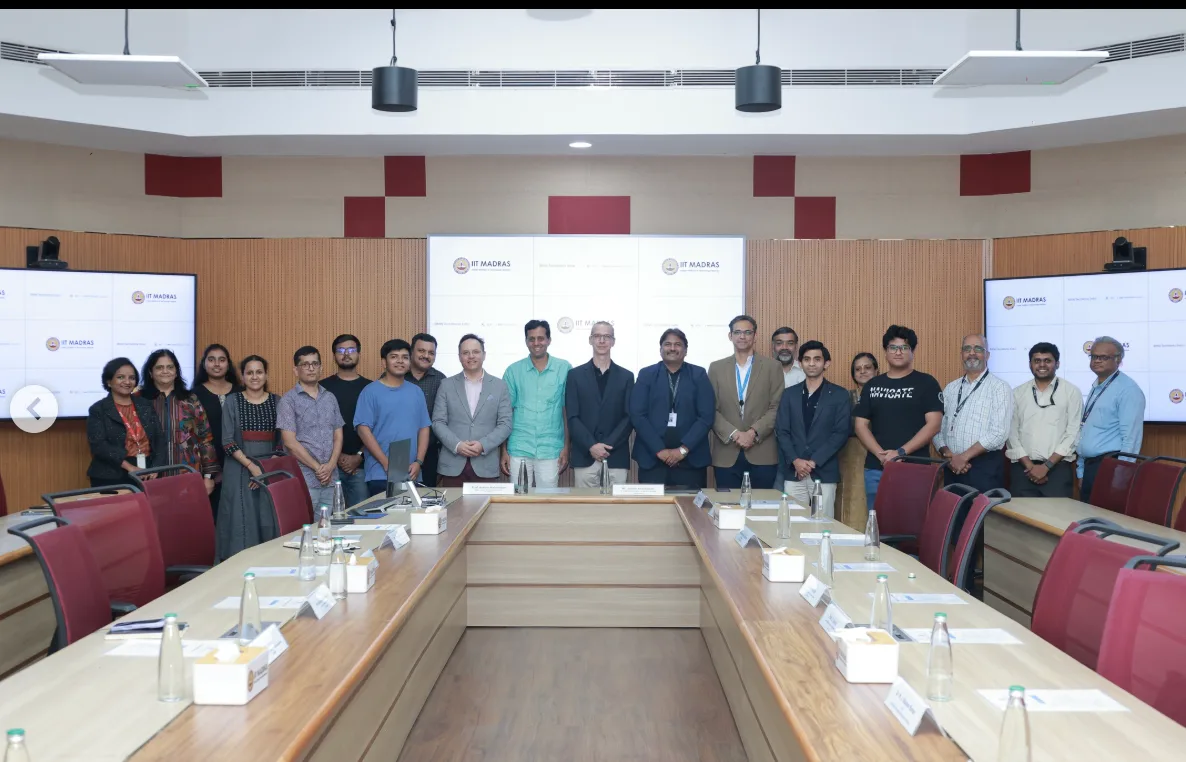
BMW TechWorks India – AI for Educators Programme
Overview Artificial Intelligence is rapidly transforming industries and redefining the skills required for the future workforce. Recognizing that educators are at the forefront of this transformation, BMW TechWorks India partnered with IIT Madras and IITM Pravartak Technologies Foundation to empower school teachers and college faculty with practical AI knowledge and teaching capabilities. Through a structured, three-track programme, the initiative aims to bridge the AI skills gap in rural and underserved educational institutions, enabling educators to confidently integrate AI into classrooms and create future-ready learning environments. Vision BMW TechWorks India's partnership with IIT Madras reflects a shared commitment to democratizing AI education by ensuring that quality AI training reaches educators beyond urban centres. By strengthening teacher capabilities today, the initiative is laying the foundation for an inclusive, technology-driven education ecosystem that prepares future generations for an AI-powered world Objectives The programme was designed to: Enable rural K–12 teachers to earn AI certifications through SWAYAM Plus by supporting assessment and certification costs. Provide advanced AI training at IIT Madras for high-performing teachers. Build AI capabilities among faculty members in rural Arts and Science colleges through Faculty Development Programmes (FDPs). Establish a scalable and sustainable framework for AI-enabled teacher training across India. Key Highlights 1,000 teachers enrolled across two cohorts. 150 teachers supported towards AI certification. Two advanced AI training cohorts conducted at IIT Madras for selected educators. Faculty Development Programmes organized for rural college faculty members. Total project investment of ₹9.5 lakh supporting certification, advanced training, and faculty development. Impact The programme has strengthened AI readiness among educators by equipping teachers with practical knowledge to effectively plan, teach, and assess using AI tools. Beyond individual capacity building, the initiative has enhanced AI teaching capabilities in rural and underserved institutions while establishing a scalable model for future teacher development programmes. By empowering educators, the partnership creates a multiplier effect that benefits thousands of students and supports India's transition towards an AI-enabled education ecosystem. Beneficiaries Rural K–12 school teachers Rural Arts and Science college faculty Students who benefit from AI-enabled teaching practices Educational institutions seeking to integrate AI into teaching and learning
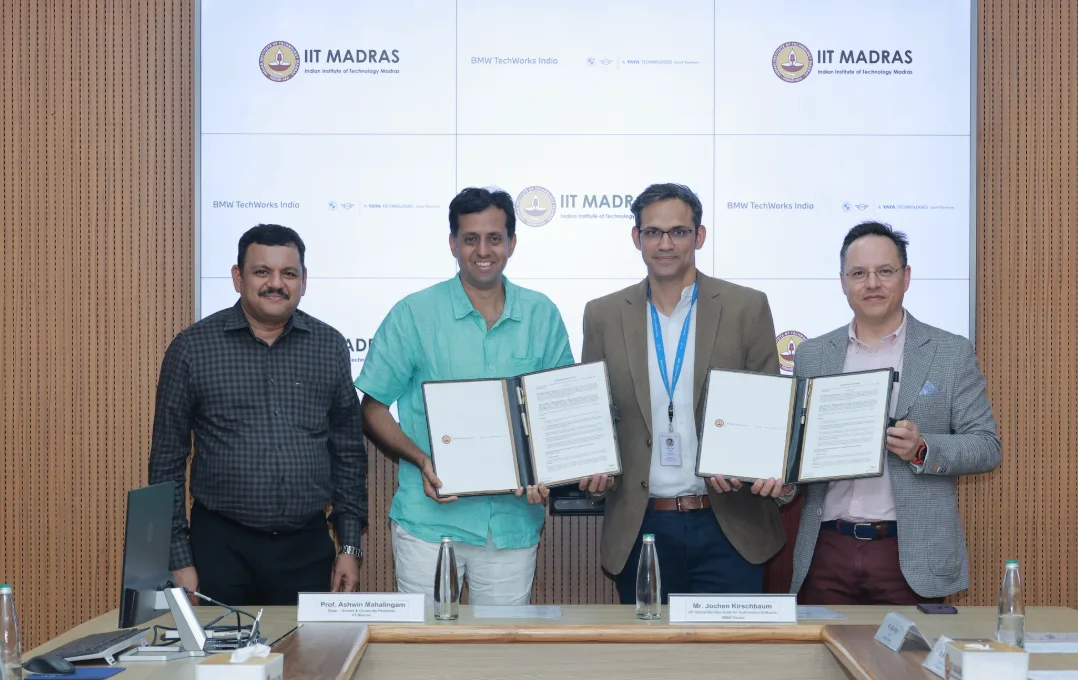
BMW TechWorks India – Nirmaan Pre-incubator Entrepreneurship Programme
Overview Innovation begins with ideas, but successful entrepreneurship requires the right ecosystem to transform those ideas into impactful ventures. Through its CSR partnership with IIT Madras, BMW TechWorks India supports the Nirmaan Pre-incubator, enabling aspiring entrepreneurs to develop technology-driven startups through mentorship, funding, and structured incubation. The programme nurtures early-stage ventures working in artificial intelligence, robotics, education technology, and enterprise automation, helping innovators build minimum viable products (MVPs) and prepare for commercialisation. Vision The BMW TechWorks India–Nirmaan partnership aims to cultivate the next generation of technology entrepreneurs by providing early-stage innovators with the resources needed to transform breakthrough ideas into scalable ventures. By fostering innovation in AI, robotics, and emerging technologies, the programme strengthens India's deep-tech startup ecosystem while creating solutions with global relevance. Objectives The programme seeks to: Foster entrepreneurship and innovation among students and early-stage founders at IIT Madras. Support startup teams through Nirmaan's Pratham and Akshar pre-incubation programmes. Provide funding, mentorship, and technical guidance to develop market-ready MVPs. Accelerate STEM-based innovations with strong commercial and societal impact. Key Highlights ₹12 lakh invested to support entrepreneurship. 3 early-stage entrepreneurs received funding. Supported startups include: SPAR Dynamics – Robotics and semiconductor innovations for STEM education. Juku AI – AI-powered personalised learning companion. ZeroEka – AI-native platform for education and enterprise automation. National recognition through Google Gemini Top 4 , along with participation in Google for Startups and AWS Accelerate programmes. Impact The programme has accelerated the development of high-potential AI and deep-tech ventures addressing challenges in education, robotics, and enterprise productivity. Supported startups are developing intelligent learning platforms, robotics solutions, multilingual AI systems, and enterprise automation technologies while attracting national recognition, strategic collaborations, and ecosystem support. By investing in founders at the earliest stages, BMW TechWorks India is helping build a pipeline of innovation-led enterprises with the potential to create lasting societal and economic impact. Beneficiaries Student entrepreneurs and early-stage founders AI and deep-tech startups The IIT Madras innovation and entrepreneurship ecosystem Future users of AI-enabled education, robotics, and enterprise technologies
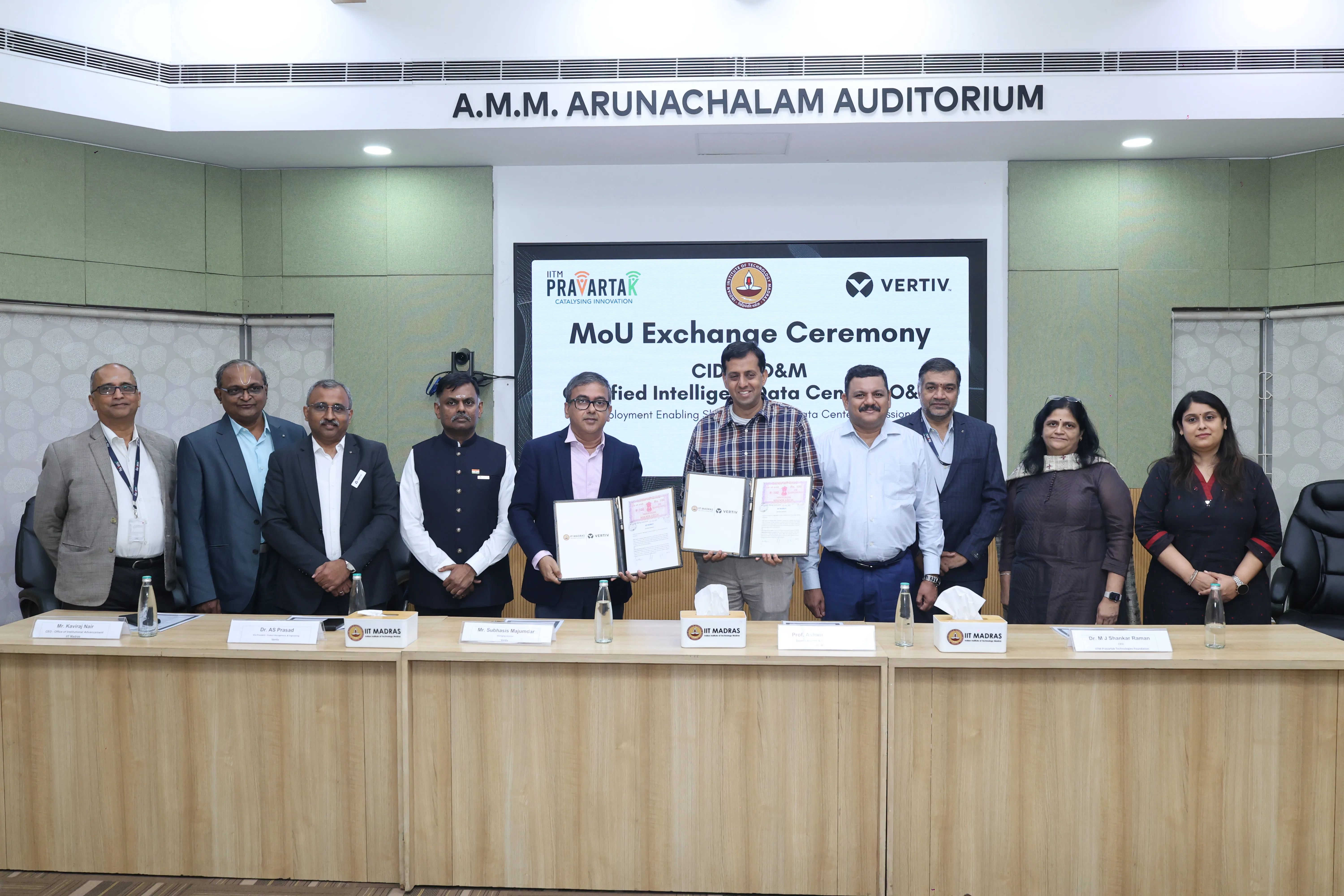
Building India's Future Data Centre Workforce
Empowering STEM Students with Industry-Ready Skills in Data Centre Operations and Critical Digital Infrastructure A collaborative CSR initiative by Vertiv, IIT Madras, and IIT Madras Pravartak to strengthen India's digital talent ecosystem. The Challenge India's digital economy is expanding at an unprecedented pace, driven by the rapid growth of cloud computing, artificial intelligence, data centres, and digital services. As digital infrastructure continues to scale, there is an increasing demand for professionals equipped with specialised skills in data centre operations, infrastructure management, thermal and power systems, and predictive maintenance. Bridging the gap between academic education and industry-ready expertise is essential to building a future-ready workforce that can support India's digital transformation. Vision The IIT Madras–Vertiv partnership envisions building a future-ready workforce capable of supporting India's rapidly evolving digital infrastructure. By combining world-class academic expertise, industry knowledge, and hands-on learning, the initiative aims to bridge the gap between education and employment, enabling students to become innovators and skilled professionals who will power the next generation of data centres and critical digital infrastructure. The Initiative Through its Corporate Social Responsibility (CSR) programme, Vertiv , in partnership with IIT Madras and IIT Madras Pravartak Technologies Foundation , has launched a comprehensive upskilling initiative to prepare students for careers in the data centre industry. The programme will train over 2,000 STEM students through a 35-hour self-paced online course covering the fundamentals of data centre operations and maintenance. From this cohort, 160 high-performing students will be selected for an intensive five-day immersive programme at the IIT Madras campus , combining classroom learning with practical, industry-oriented training. The curriculum has been designed to enhance employability by integrating theoretical knowledge with hands-on learning aligned with real-world industry requirements. Preparing Talent for the Digital Economy The programme equips participants with expertise in key areas that underpin modern digital infrastructure, including: Data centre operations and maintenance Critical power and thermal management Remote monitoring and predictive maintenance Best practices in operational efficiency and reliability Industry case studies and practical demonstrations By combining academic excellence with industry experience, the initiative prepares students to meet the evolving demands of India's fast-growing digital infrastructure sector. Beneficiaries The initiative is designed to create lasting impact across the digital ecosystem by benefiting: Over 2,000 STEM students , who will gain specialised knowledge and industry-relevant skills in data centre operations. 160 selected participants , who will receive advanced experiential training at IIT Madras. Industry employers , through access to a pipeline of skilled, job-ready professionals. India's digital infrastructure ecosystem , by addressing the growing demand for qualified talent in critical infrastructure management. The broader economy , through strengthened workforce capacity that supports the nation's digital transformation and AI-driven growth. Expected Impact The initiative seeks to create a new generation of professionals equipped to manage and operate critical digital infrastructure. By fostering collaboration between academia and industry, it will enhance student employability, strengthen India's talent pipeline for the data centre sector, and contribute to the sustainable growth of the country's digital economy. The programme also serves as a scalable model for industry-led skill development in emerging technology domains. Partnership This initiative brings together Vertiv , a global leader in critical digital infrastructure, IIT Madras , and IIT Madras Pravartak Technologies Foundation to create a sustainable model for industry-academia collaboration. Together, the partners are nurturing talent, strengthening employability, and supporting India's ambition to become a global leader in digital infrastructure and emerging technologies.
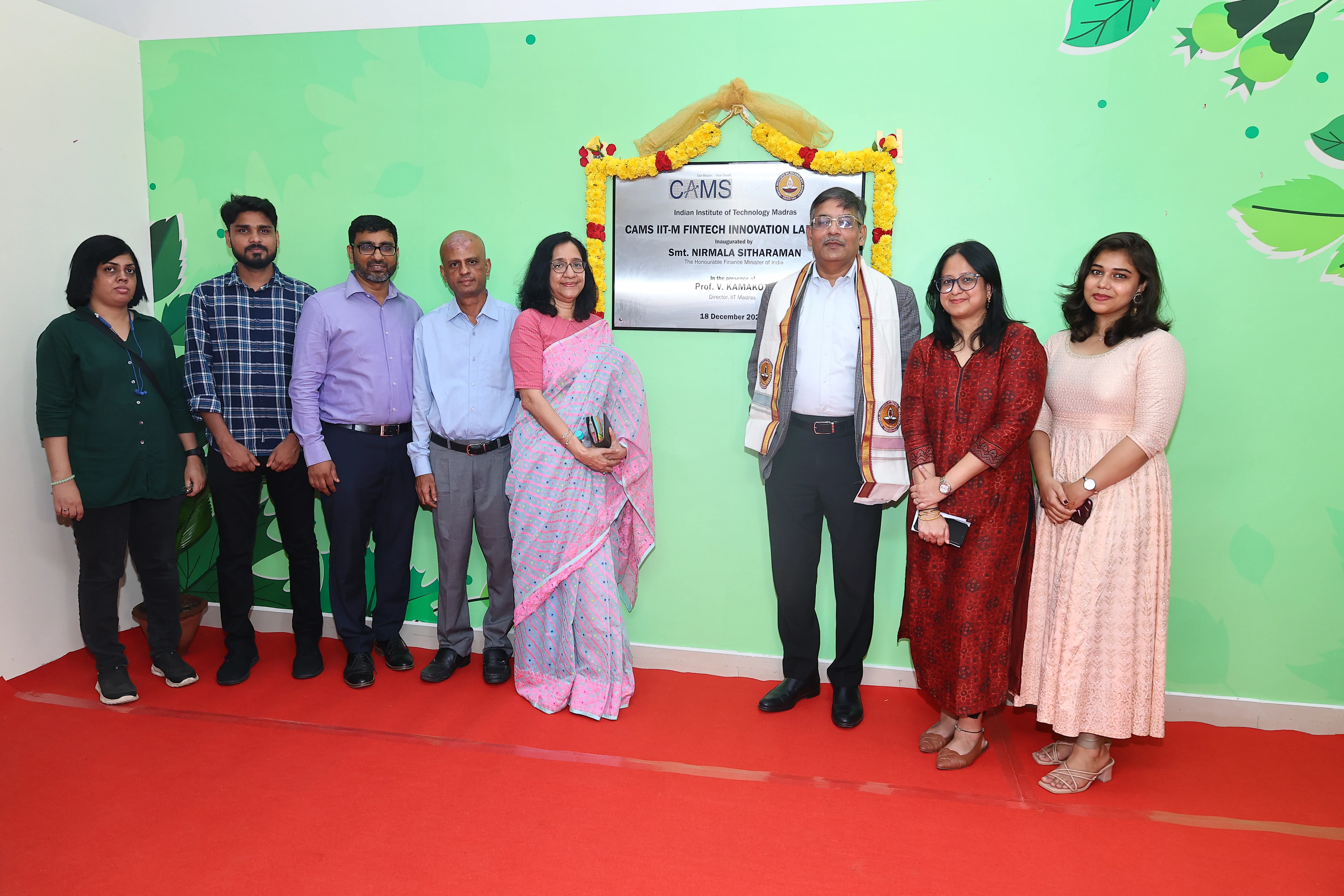
CAMS IITM Fintech Innovation Lab (CIFIL)
CSR Initiative Summary | 2024–2025 The CAMS IITM Fintech Innovation Lab (CIFIL) is a Corporate Social Responsibility initiative of Computer Age Management Services (CAMS) in collaboration with the Indian Institute of Technology Madras (IIT Madras) . The lab advances financial technology through research, innovation, education, and industry collaboration. Research & Knowledge Leadership CIFIL conducted impactful research on fintech’s role in advancing Sustainable Development Goals, financial inclusion, economic growth, and digital infrastructure. Additional focus areas included fintech mergers and acquisitions, mobile banking performance, and identifying key research gaps such as fintech index development and stronger bank–fintech collaboration. Faculty members published research in reputed international journals, strengthening global academic contributions in fintech and sustainable finance. Applied Innovation Projects Key projects undertaken include: Blockchain-based KYC framework to enhance transparency, security, and efficiency in customer verification. Fraud prevention and unclaimed funds framework with structured operating procedures to help return funds to rightful investors. Risk assessment models for insurance and individual investors to support informed financial decision-making. These frameworks have been shared with CAMS for further review and action. Startup & Digital Innovation Through its Startup Initiative, CIFIL nurtures fintech entrepreneurship: Vaip – A blockchain-enabled platform empowering content creators through digital investment models. EZ Invest – A personal finance platform integrating risk assessment, portfolio tools, and market insights. finZ – A financial well-being ecosystem featuring a financial dashboard, AI-powered advisory chatbot, and gamified financial literacy tools. Outreach & Industry Collaboration CIFIL organized seminars, expert talks, and workshops on investing, digital currency, AI, cybersecurity, and financial planning. A Digital Rupee outreach session was conducted in coordination with the Reserve Bank of India. The lab strengthened industry–academia collaboration through MoUs, regulatory engagement, brainstorming sessions, and a fintech–cybersecurity hackathon conducted with Indian Bank, focusing on fraud prevention and secure digital frameworks. Financial Literacy & Capacity Building CIFIL is developing certification programs in wealth management, fintech, AI, cybersecurity, blockchain, and regulatory frameworks. These initiatives aim to bridge skill gaps and build a future-ready fintech workforce. CSR Impact CIFIL demonstrates how CSR can: Promote financial inclusion and digital empowerment Foster innovation and startup growth Strengthen industry–academia partnerships Advance secure and sustainable fintech ecosystems The initiative continues to position IIT Madras as a hub for responsible, technology-driven financial transformation.
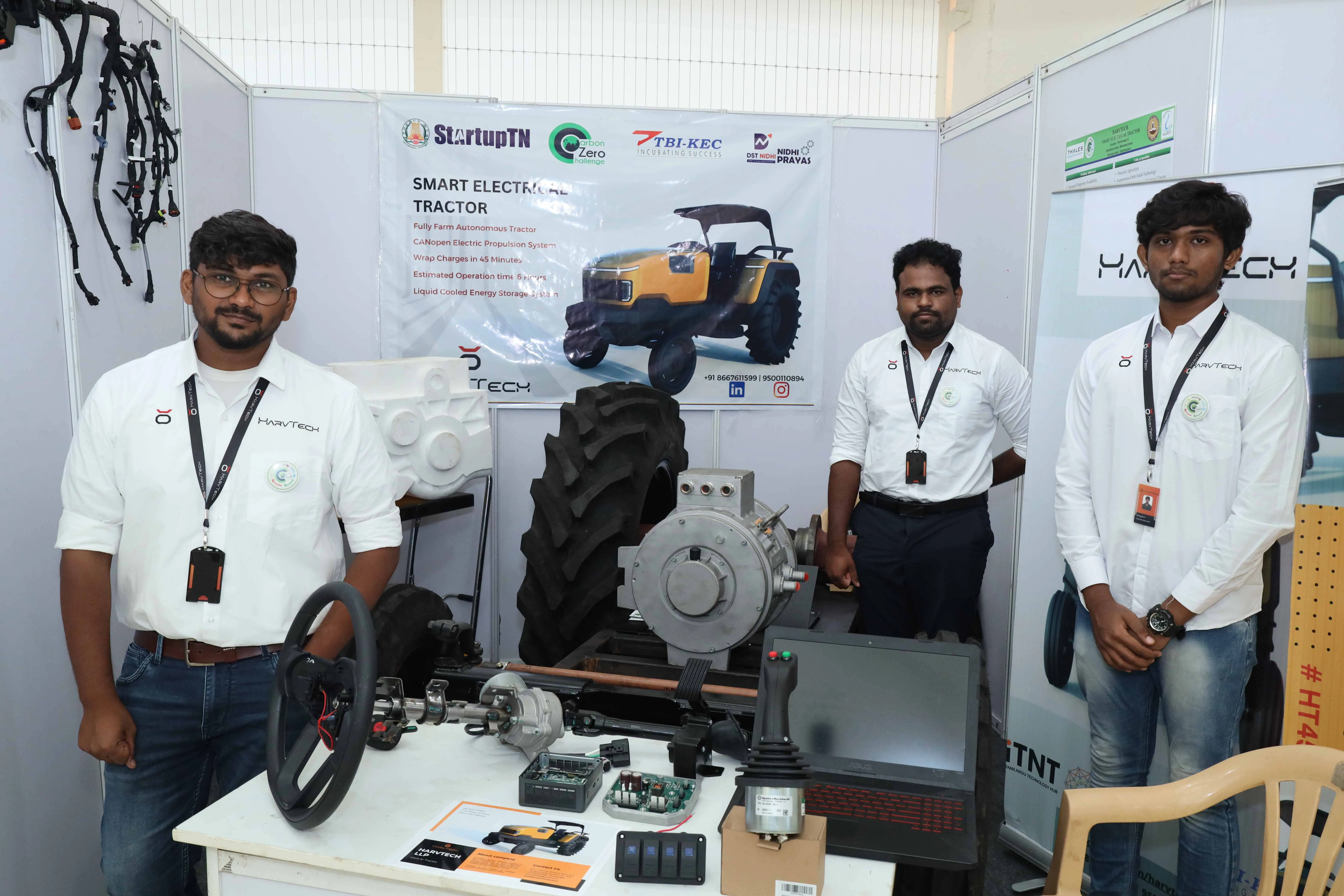
Carbon Zero Challenge
Goal The Carbon Zero Challenge aims to promote innovation and entrepreneurship focused on climate sustainability. The initiative encourages students, startups, and innovators to develop solutions that reduce carbon emissions, improve resource efficiency, and support environmentally responsible technologies. The broader objective is to create practical solutions that contribute to a transition toward a low-carbon and sustainable future. Intervention The project was implemented as a climate innovation challenge organized by IIT Madras with support from Thales DIS CPL India Private Ltd as part of its Corporate Social Responsibility initiative. The program provided a platform where innovators could propose and develop ideas addressing environmental challenges. Participants worked on solutions across several sustainability areas including clean energy, waste management, sustainable agriculture, resource recovery, pollution reduction, and energy-efficient infrastructure. The initiative involved mentoring, evaluation sessions, expert interactions, and presentations where teams refined their ideas with guidance from academic and industry experts. These engagements helped participants improve the technical feasibility and environmental impact of their innovations. The program also created opportunities for innovators to present their solutions, receive feedback, and interact with sustainability experts and stakeholders. Geography The initiative was conducted through the Indian Institute of Technology Madras and engaged innovators across the country. The program served as a national platform bringing together students, startups, and researchers working on climate and sustainability solutions. Value The project created value by enabling collaboration between academia, industry, and emerging innovators. It supported the development of environmentally responsible technologies and encouraged the application of research and innovation to real-world sustainability challenges. The initiative also contributed to knowledge sharing through discussions, mentoring sessions, and interactions with experts in climate technology, renewable energy, and sustainable industry practices. Through these activities, the program strengthened the climate innovation ecosystem and promoted awareness of sustainable solutions. Result The initiative led to the development of a diverse set of climate-focused innovations. These solutions addressed issues such as sustainable agriculture, waste conversion, energy-efficient cooling technologies, renewable energy systems, recycling technologies, pollution control, and environmentally responsible construction materials. Several projects focused on converting agricultural waste into useful products, improving farm management through digital tools, capturing plastic waste in water systems, recycling materials from industrial products, and developing cleaner energy technologies. The program concluded with a showcase where participating teams presented their innovations and outcomes, demonstrating the potential of technology and entrepreneurship to support climate action and sustainable development.
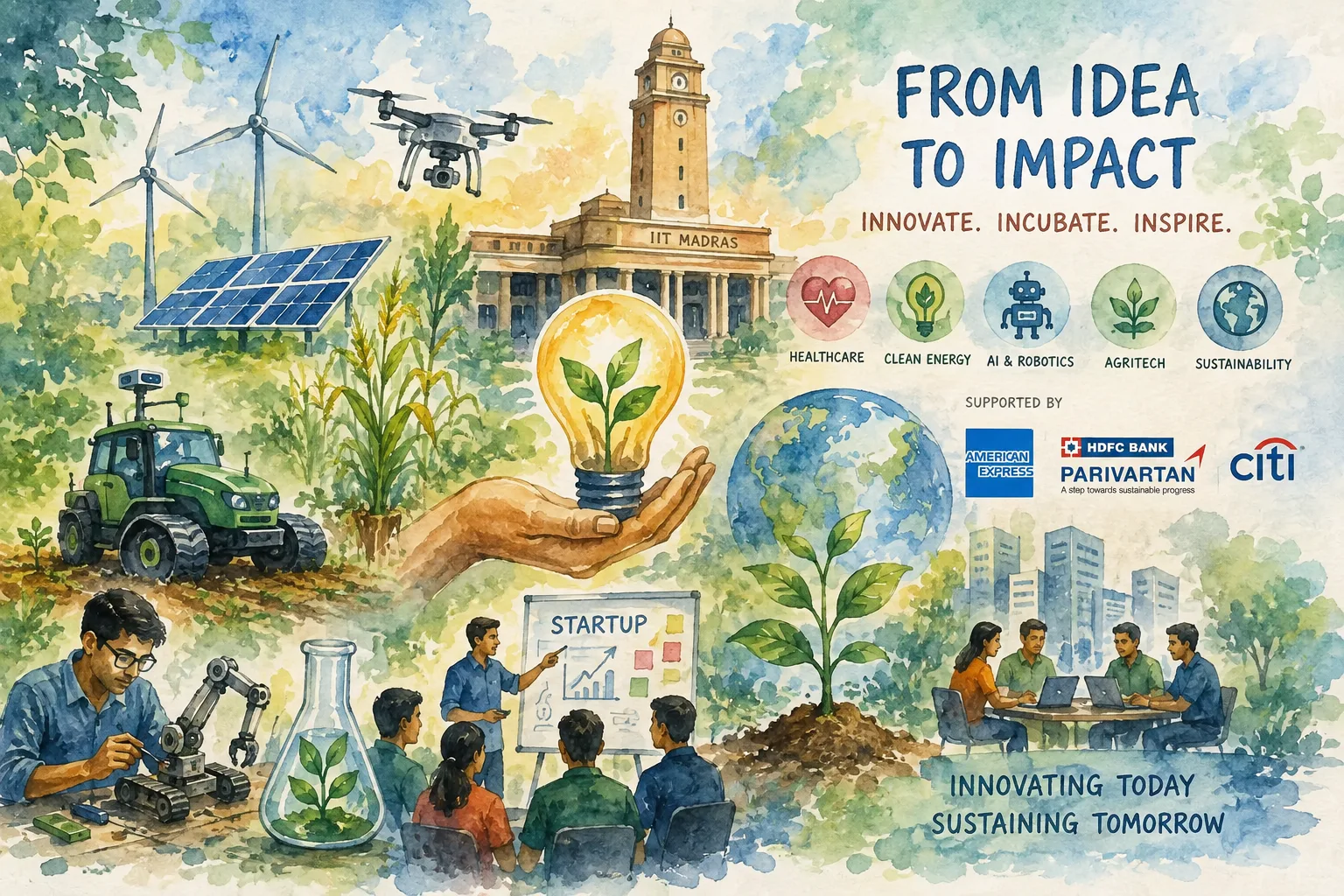
Celebrating Innovation with Incubation
In nourishing and bringing to fruition the young innovator’s dream, IIT Madras’ Innovation and Incubation Program with CSR support from American Express (Amex), HDFC Bank Parivartan and Citibank, offers a prototype to incubation module, with structured mentoring and training, to make ideas market-ready (43 words) For new ideas to flourish, an ecosystem of encouragement and support has to be created to bring the innovation to fruition. This is often a challenge in a country like India, where marketplaces are flooded with innovators, and excellence is often lost in translation. Today, the focus is on reclaiming the earth for future generations. Sustainability in all ventures is a default expectation. There is a crying need for alternatives in almost every industry, which do not contaminate or damage the environment. The space therefore, is huge—with green being the leading mantra. This is where IIT Madras stepped in with its Innovation and Incubation Program with CSR support from American Express (Amex), HDFC Bank Parivartan and Citibank. Separating wheat from the chaff, this initiative picked start-up ventures to support in early stage innovation, to fill the ‘idea-to-startup’ gap. This program was implemented through the Office of Innovation and Entrepreneurship, along with Nirmaan (the pre-incubator at IITM) and IIT Madras Incubation Cell (IITMIC). Start-ups had to be aligned with the UN Sustainable Development Goals (SDGs), to be supported in this program. The Innovation and Incubation Program was planned in such a way that student innovators received mentorship, technical validation, and early access to the ecosystem. They were supported to achieve scale, and to move from the academic incubation ecosystem, into national and global markets. For any innovation to thrive, a strong ecosystem has to be created to support, mentor and sustain it. In today’s world, it does seem glamourous to be a start-up founder. This label frames an enterprising and innovative mindset. However, in the real world, such enterprise and innovation are not the easiest to sustain. Hard work, grit, determination, the will to stay the course—all these qualities and more are required to even walk the path that could lead to success. Start-ups meeting the criteria were carefully chosen to be part of the program. Each of the chosen ventures were interesting and transformative, and were spread across real-world requirements in agriculture, climate action, industrial automation, healthcare, aerospace, digital empowerment, and inclusive economic growth. They were assessed in a multi-stage evaluation process, on their market potential and impact, business model, product innovation, financial robustness, as well as social viability, among other parameters. The basic need to sustain the program were well-thought out and put in place. Meaningful strides were made in building an ecosystem, creating institutional collaborations and structured engagement models that lead towards the sustainable and future-proof end use. Focus has been on partnerships with academic institutions, with stakeholders who would guide the build mechanisms and research pathways. So it is not surprising that IITM has facilitated all these to ensure that a robust foundation is given for innovation, ensuring that the ecosystem is rooted in the values of growth and relevance. Using cohort-based program, mentorship, and targeted training initiatives, students, faculty, and researchers have found meaning, being grounded in excellent support systems. Ultimately, a start-up idea has to serve widespread use and relevance in the real world to be successful and fulfil entrepreneurship goals. This program has shown itself to be adaptive, using the development of technology-led solutions aligned with real-world challenges. The total allocation of funding for the program from Amex was Rs.8.46 crores. The focus sectors included healthcare, clean energy, AI and robotics, Agritech, as well as sustainability and climate. Individual grants ranged from Rs.5 lakhs to Rs.20 lakhs. For example, one of the ventures that were supported by this Amex for this program, is Automagri Pvt Ltd. The start-up is developing electronic agricultural robots to not just supplement labour shortage, but also to make farming operations cost-effective. BotForge Labs Pvt Ltd for instance, is building Generalist Robot Foundation Models, intelligent machines that can learn, adapt and perform tasks across industries. IndieRise Research Lab Private Limited is building Artificial Intelligence tools for content creation and filmmaking workflows. International Phytomedicine Innovation Private Limited is engaged in the development of plant-based medicines for healthcare solutions. The start-ups thus, encompass a wide range of industry and technology, showing promise of sustainable solutions for new world requirements. HDFC Bank Parivartan has supported a portfolio of start-ups that have seen advancements in technology development, validation of pilot projects, and have demonstrated early-stage commercialisation. The CSR contribution from HDFC Bank Parivartan has been Rs.6.85 crores. Commercial grade products have been finalised for multiple start-ups, while R&D is jogging along at a robust pace. Intellectual Property filings including provisional patent filings, are being done for some of the ventures. Mentorship excellence, creating industry connects and processes for market validation ensure that the start-ups follow healthy processes, and are market relevant. For example, Inventive Scientific Minds LLP processes Multi Layer Packaging or MLP, transforming them into plastic and aluminium for further product development, ensuring that landfills are not contaminated with non-degenerative material. Satiq Concrete Manufacturer Pvt. Ltd. makes low carbon concrete, geopolymer concrete products from agro waste, tiles, planters, etc. that aim at carbon footprint reduction. Grants range from Rs.18 lakh to Rs.40 lakh per start-up, phased over utilisation and scaling. EarthFokus that works in the field of water and sustainability has shown remarkable progress, validated in real-world conditions, with eight enterprise clients in different stages, in the financial year 2025. In what is a heartening development, start-ups have begun generating early revenues, with Monthly Recurring Revenue (MRR) ranging from ₹2 lakh to ₹5 lakh, projected to grow further in the coming quarters. Citibank meanwhile, has broadly committed about Rs.30 crores towards Innovation to Incubation, and its focus is Agri-Tech, Clean-Tech & Fin-Tech start-ups. The approved grant for the financial year 2025–26 has been Rs.8.91 crores. The first stage has been completed December 2025–February 2026, and focus has been on identification, onboarding, and development of start-up cohorts. Cohort 1 had 7 faculty and 20 researchers participate, while Cohort 2 is ongoing, in association with Banasthali Vidyapith. Focus has been on the strengthening of the academic-industry collaboration, and in expanding innovation-led partnerships. Associations with STEM universities were created for knowledge enhancement, even as training sessions and outreach events were conducted along with entrepreneurial and accelerator workshops, to fully equip start-up founders with the skills that they require to last the long haul. IIT Madras’ Innovation and Incubation Program has shown that investing in an start-up ecosystem can benefit founders and ventures, supporting not just skill-building but with grants and early stage funding. Championing innovators and aiding their transition from ideation to structured venture development, the programme has successfully engaged students, faculty, and researchers, strengthening the pipeline of innovation-driven startups. The programme has also made meaningful strides in ecosystem building through institutional collaborations and structured engagement models. Partnerships with academic institutions and stakeholders have expanded the programme’s reach, facilitating knowledge exchange and supporting research commercialisation. These efforts have contributed to building a robust foundation for innovation, while enhancing capacity across multiple levels of the ecosystem. Looking ahead, the programme is well-positioned to scale its impact with measurable outcomes. This program has helped strengthen India’s deep-tech and innovation ecosystem. Every venture that was supported has promoted sustainability and viability, bringing in technological solutions across climate, energy, agriculture, healthcare, industry and more. It has encouraged digital inclusion and economic participation, enabling high-skill job creation and technological research, setting benchmarks that will only rise as success stories inspire and motivate more youngsters to dream big. (1,220 words)
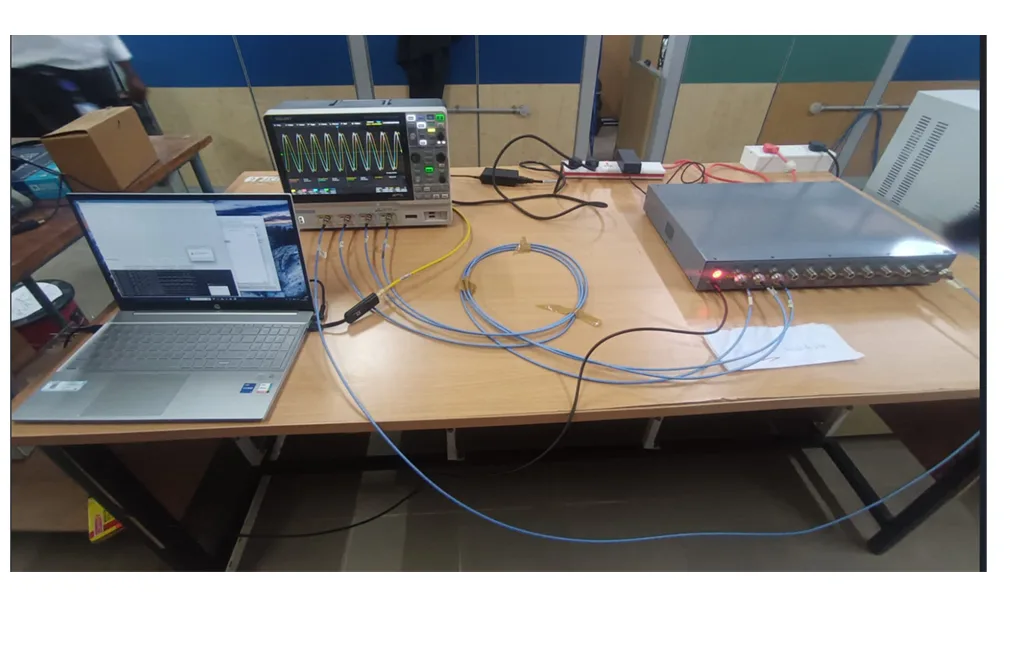
Clinical Hyperthermia System for Cancer Treatment
Developing an Indigenous Hyperthermia System to Improve Cancer Care A CSR initiative supported by SBI General Insurance Company Limited The Challenge Cancer remains one of India's leading healthcare challenges, with a significant number of patients diagnosed at advanced stages where treatment outcomes depend on multimodal therapies. Hyperthermia therapy—controlled heating of tumour tissues—has been clinically proven to enhance the effectiveness of radiotherapy and chemotherapy. However, advanced clinical hyperthermia systems are largely imported, prohibitively expensive, and inaccessible to most hospitals across the country, limiting their widespread adoption in cancer care. The Initiative IIT Madras is developing a completely indigenous Clinical Hyperthermia System that delivers precisely controlled microwave energy for treating deep-seated tumours. The project integrates programmable microwave sources, multi-channel power amplifiers, phased-array antennas, treatment planning software, and patient-specific control systems into a single clinical platform. Designed to international standards while being significantly more affordable, the system aims to make advanced hyperthermia therapy accessible to hospitals across India. Advancing Indigenous Medical Technology Significant progress has been achieved across hardware, software, and system integration. Researchers have developed patient-specific treatment planning tools, optimized antenna configurations for precise energy delivery, and validated thermal performance through laboratory testing. The project continues to refine treatment accuracy, safety mechanisms, and system reliability while integrating multiple engineering components into a clinically deployable platform. Creating Lasting Impact Once completed, the indigenous clinical hyperthermia system has the potential to transform cancer treatment in India by substantially reducing dependence on imported equipment and lowering treatment costs. The technology will enable hospitals to provide advanced combination therapy for cancer patients while strengthening India's capability to develop high-end medical devices domestically. Beyond improving patient care, the project establishes a strong foundation for innovation in biomedical engineering and medical technology manufacturing. A Partnership for Affordable Cancer Care The collaboration between IIT Madras and SBI General Insurance demonstrates how industry-supported research can accelerate indigenous healthcare innovation. By supporting the development of advanced yet affordable cancer treatment technologies, the partnership contributes to improving patient outcomes while advancing India's vision of self-reliance in medical devices and healthcare innovation.
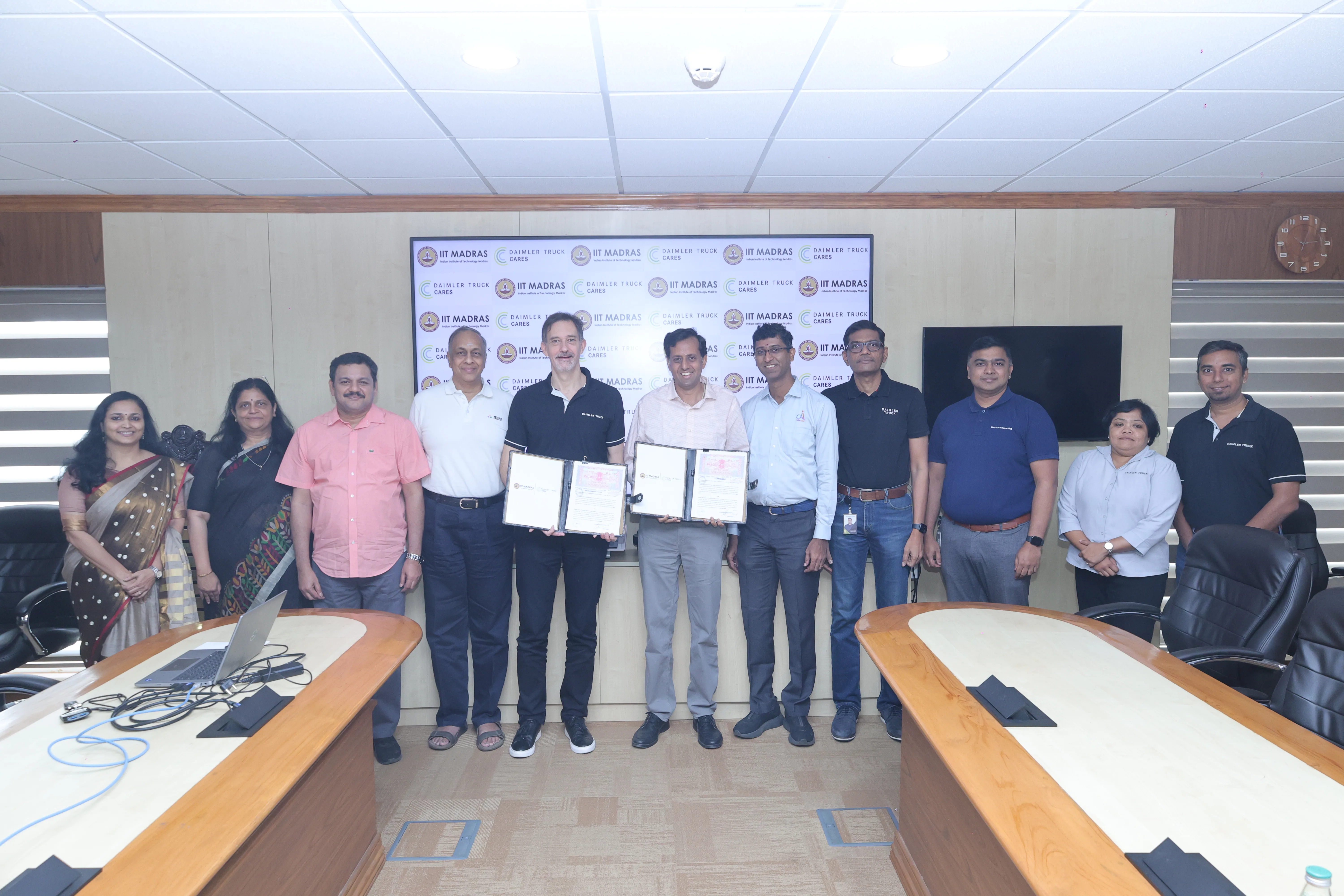
Commercial Driver Rating System (CDRS)
Building a Safer, Smarter and More Accountable Commercial Transport Ecosystem A collaborative initiative to develop India's first data-driven Commercial Driver Rating System that improves road safety, enhances driver welfare, and establishes national standards for commercial mobility. The Challenge Commercial drivers form the backbone of India's logistics and transport sector, yet they operate under demanding conditions marked by long working hours, stressful traffic environments, inadequate support systems, and inconsistent regulatory oversight. Today, there is no standardized, objective framework to evaluate driving behaviour, incentivize safe practices, or help fleet operators and policymakers make informed decisions. As a result, road safety, driver well-being, and operational efficiency continue to suffer. Vision The Commercial Driver Rating System envisions a future where every commercial driver in India is assessed through fair, transparent, and technology-enabled standards that reward safe driving and encourage continuous skill development. By building the digital infrastructure for nationwide adoption, the initiative seeks to transform road safety, strengthen the logistics ecosystem, and establish India as a global leader in intelligent and responsible mobility. The Initiative IIT Madras, in partnership with Daimler , is developing a Commercial Driver Rating System (CDRS) a first-of-its-kind digital platform that uses smartphone data, vehicle sensors, behavioural analytics, and artificial intelligence to objectively assess commercial driving performance. By combining real-world driving data with advanced modelling techniques, the project aims to create a transparent, standardized driver rating framework that can be adopted across the commercial transport ecosystem. The initiative also seeks to establish a Digital Public Infrastructure (DPI) comprising national data standards, secure data management, and interoperable technology for large-scale implementation. Innovation The project goes beyond traditional fleet monitoring by integrating behavioural science, sensor technologies, and data analytics to understand the multiple factors that influence driving performance. It will define standardized Driver Performance Indicators (DPIs), develop a comprehensive driver rating score, and create a national database of commercial driving behaviour. The resulting platform has the potential to become a trusted benchmark for commercial licensing, insurance assessment, recruitment, fleet management, and evidence-based policymaking. Beneficiaries The Commercial Driver Rating System is designed to create value across the entire transport ecosystem: Commercial Drivers benefit through objective performance recognition, incentives for safe driving, and improved employment opportunities. Fleet Operators gain reliable insights into driver performance, enabling safer operations and better fleet management. Driving Institutes can certify drivers using standardized performance metrics, improving workforce quality. Government and Regulators receive high-quality data to strengthen road safety policies and regulatory enforcement. Insurance Providers and Logistics Companies can make informed risk assessments based on standardized driver ratings. Society benefits through safer roads, fewer accidents, and a more efficient commercial transport system. Expected Impact The project aims to establish India's first universal Commercial Driver Rating System supported by standardized data formats, Driver Performance Indicators, and a national commercial driver database. By promoting responsible driving behaviour and enabling data-driven decision-making across the transport sector, the initiative has the potential to significantly reduce road accidents, improve working conditions for commercial drivers, and save thousands of lives every year.
Device Engineering Labs (DEL)
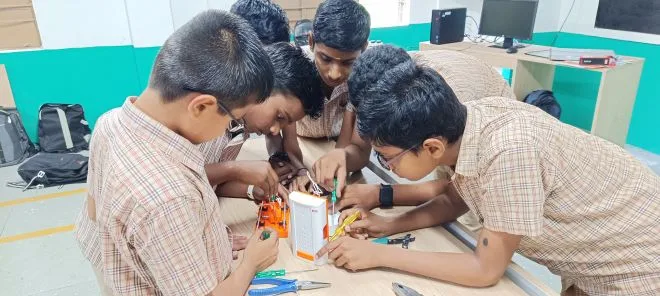
Transforming Rural Classrooms into Innovation Laboratories An IIT Madras initiative empowering rural government school students through hands-on STEM education, design thinking, and digital manufacturing. The Challenge For many students in rural government schools, science is taught primarily through textbooks, leaving little opportunity to experiment, build, or understand how technology works in everyday life. Limited access to modern laboratories and emerging technologies restricts curiosity, creativity, and exposure to engineering as a career. Bridging this gap requires learning environments where students can explore, question, and create through experience rather than memorization. Vision The Device Engineering Labs envision a future where every child—irrespective of geography or socio-economic background—has access to world-class experiential STEM education. By embedding innovation, design thinking, and digital manufacturing into school education, IIT Madras aims to inspire the next generation of engineers, inventors, and entrepreneurs who will shape India's technological future. The Initiative The Teach to Learn initiative at IIT Madras established Device Engineering Labs (DEL) in rural government schools across Tamil Nadu to bring experiential STEM education directly into classrooms. Students learn by dismantling and reassembling everyday devices, understanding engineering principles through hands-on exploration, while also gaining practical skills in computer-aided design and 3D printing. The programme nurtures curiosity, problem-solving, and a culture of innovation from an early age. Building Future Innovators Over two years, the programme reached more than 1,200 students across 10 government schools , guiding them through progressively advanced engineering concepts. Students explored the inner workings of common devices such as binoculars, stethoscopes, weighing scales, electric irons, and hair dryers while learning to design and manufacture their own models using industry-standard 3D printing tools. The initiative also strengthened sustainability through a "Train the Trainer" programme at IIT Madras, equipping educators with the skills to deliver hands-on STEM education independently. Impact The Device Engineering Labs have transformed the way students engage with science—moving from passive learning to active experimentation. Through collaborative projects, critical thinking exercises, and real-world engineering challenges, students developed confidence, technical skills, and creative problem-solving abilities. Beyond schools, the initiative expanded its reach through specialised workshops and a 3D Printing Conference that introduced students, teachers, and young entrepreneurs to the educational, entrepreneurial, and livelihood opportunities enabled by additive manufacturing technologies. Key Highlights 10 rural government schools equipped with Device Engineering Labs 1,200+ students engaged across two years (Grades VIII & IX) 18-session structured curriculum combining engineering fundamentals and 3D printing 10 trainers from three states trained at IIT Madras through a dedicated capacity-building programme Regional 3D Printing Conference promoting innovation, entrepreneurship, and manufacturing skills among school and ITI students
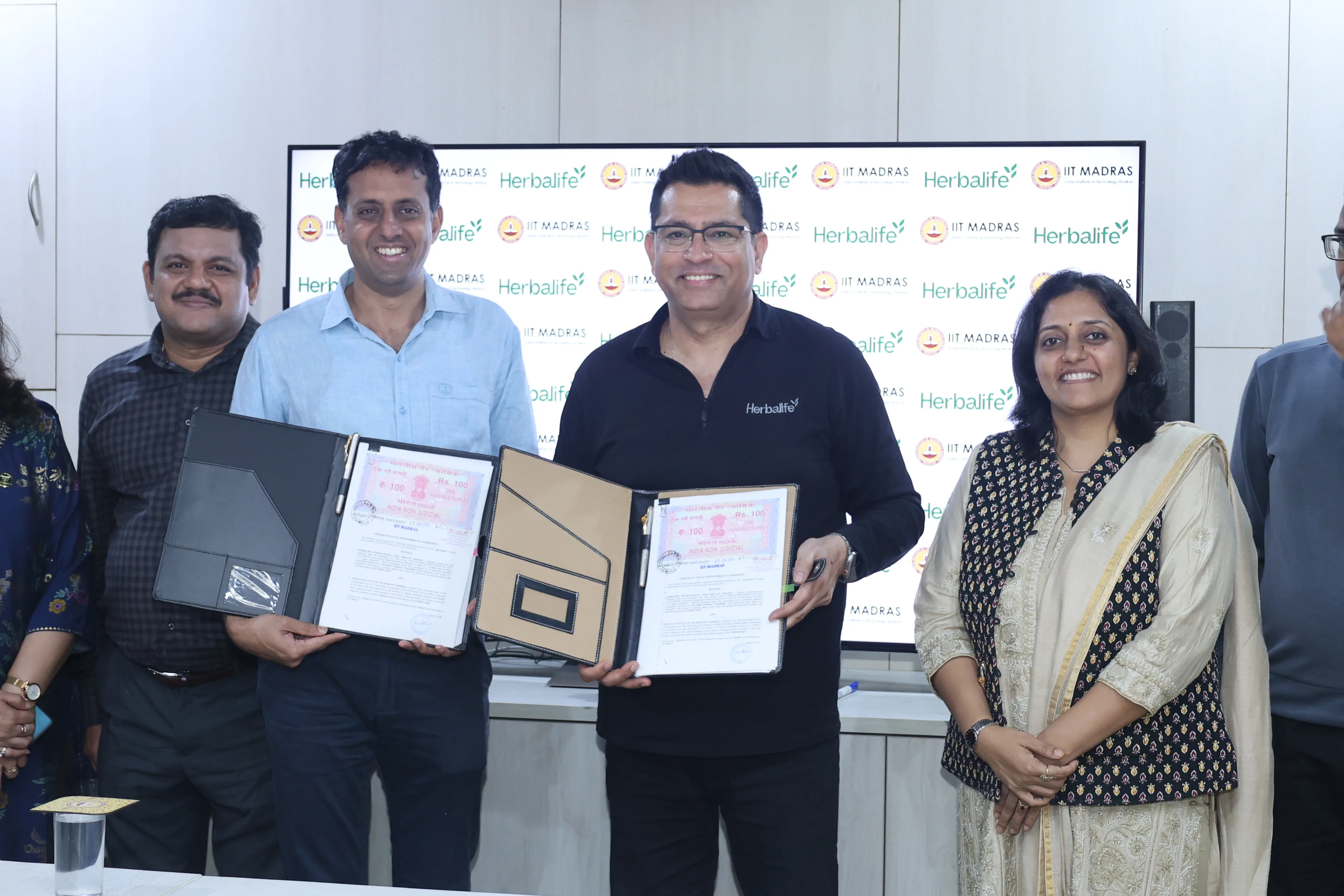
Driving Sustainable Innovation in Wellness: Herbalife India & IIT Madras Collaboration
In a significant step towards advancing sustainable biotechnology and strengthening India’s innovation ecosystem, Herbalife India has partnered with Indian Institute of Technology Madras to establish the Herbalife-IITM Plant Cell Fermentation Technology Lab under its Corporate Social Responsibility (CSR) initiative. This collaboration reflects a shared commitment to scientific innovation, environmental sustainability, and capacity building in the nutraceutical and wellness sectors. A CSR Initiative Rooted in Sustainability and Science The newly established Centre of Excellence focuses on leveraging plant cell fermentation technology to produce high-quality herbal raw materials and phytochemicals sustainably. Unlike traditional agriculture, this approach enables: Controlled, in-vitro cultivation of medicinal plants Year-round availability of bioactive compounds Consistent quality and purity of herbal extracts By reducing dependency on land-intensive farming and long harvesting cycles, the initiative promotes green, scalable, and resource-efficient production systems . Technology for Impact: Transforming Herbal Biomanufacturing At the heart of the initiative lies advanced bioreactor-based scaling , allowing large-volume production in minimal space. The lab aims to: Bridge the demand-supply gap in plant-based nutraceuticals and phytochemicals Enable sustainable extraction of bioactive compounds Support innovation in nutraceuticals, cosmeceuticals, and AYUSH formulations This aligns closely with India’s Bio-E3 policy and the vision of Atmanirbhar Bharat , positioning the country as a global hub for bio-manufacturing. Five Pillars of Impact The lab operates across five strategic focus areas: Innovative Research – Driving R&D, translational, and advanced scientific projects Sustainable Biomanufacturing – Scaling plant cell fermentation technologies Technology-Driven Solutions – Using in silico tools for phytochemical discovery Conservation Efforts – Supporting cultivation of endangered medicinal plants Ecosystem Engagement – Enabling hackathons, accelerators, and industry partnerships Building Capacity and Enabling Future Talent Beyond infrastructure, the initiative contributes to: Academic training and research opportunities for students and scientists Industry collaboration platforms for startups and enterprises Entrepreneurship development through innovation programs and accelerators This creates a strong pipeline of talent and solutions in the biotechnology and wellness sectors. Environmental and Social Impact The project directly contributes to: UN Sustainable Development Goal 3 (Good Health & Well-being) Sustainable sourcing of herbal ingredients Conservation of medicinal plant biodiversity Reduced environmental footprint through green extraction technologies CSR Impact Snapshot Non-Financial Impact: Establishment of a state-of-the-art plant cell fermentation lab 5 key innovation and sustainability pillars Year-round, controlled production of herbal bioactives Support for research, training, and entrepreneurship Conservation of endangered medicinal species Financial Impact: Not publicly disclosed, but includes full CSR funding support for lab establishment, infrastructure, and research programs by Herbalife India Conclusion The Herbalife–IIT Madras collaboration demonstrates how CSR can move beyond philanthropy into deep-tech impact , creating long-term value for science, industry, and society. By integrating sustainability with advanced biotechnology, this initiative is not only transforming the herbal wellness ecosystem but also positioning India at the forefront of next-generation bio-manufacturing and innovation .
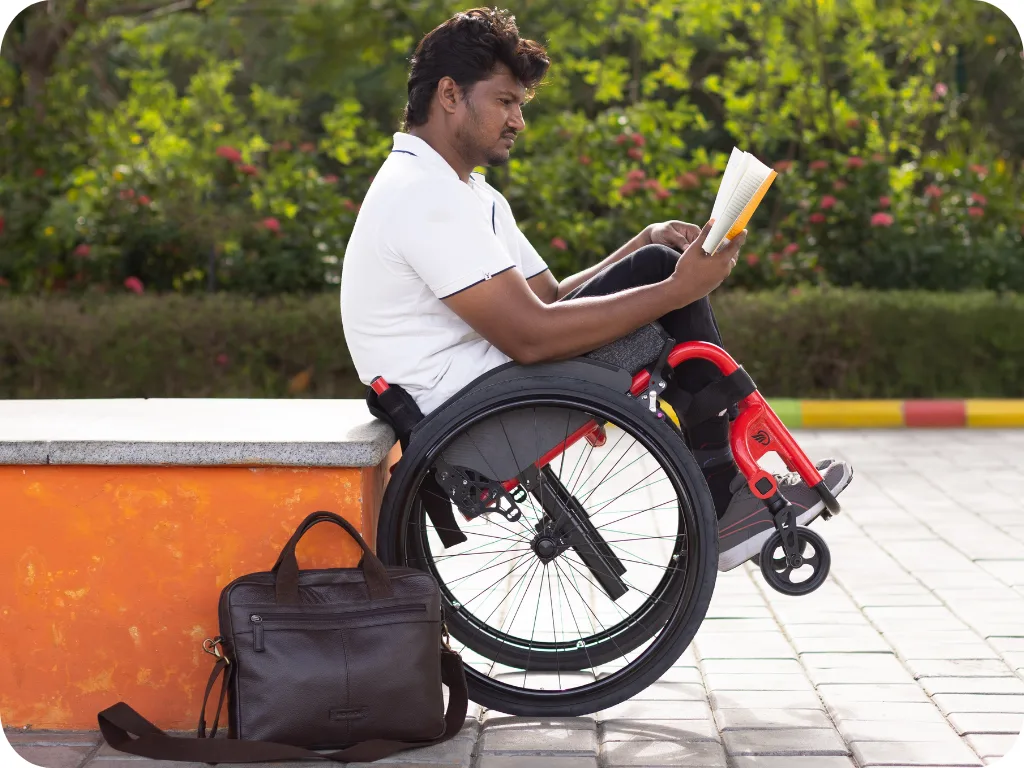
Enabling Mobility, Restoring Dignity
The TTK–IIT Madras Collaboration Driving Inclusive Innovation In India, where access to affordable assistive technologies remains a critical challenge, a powerful collaboration between industry philanthropy and academic excellence is quietly transforming lives. The TTK Center for Rehabilitation Research and Device Development (R2D2) at IIT Madras stands as a compelling example of how Corporate Social Responsibility (CSR) can catalyse deep, scalable social impact. The CSR Vision: Where Purpose Met Possibility The origin of R2D2 is rooted in a bold and values-driven CSR decision by the TTK Group, led by visionary industrialist T. T. Jagannathan. At a time when assistive technology was still underdeveloped in India, TTK chose to invest not just in research—but in human dignity, independence, and inclusion . Rather than seeking short-term outcomes, this CSR initiative focused on building long-term institutional capacity at IIT Madras , enabling cutting-edge research to translate into real-world solutions. The philosophy was simple yet powerful: if technology can improve lives, it deserves to be built—and made accessible. This collaboration led to the establishment of R2D2 in 2015—one of India’s first dedicated centres for rehabilitation and assistive device innovation. Building a Centre of Excellence for Social Impact Since its inception, R2D2 has evolved into a nationally and globally recognised hub for assistive technology innovation, combining engineering, clinical research, and user-centric design . Key Impact Metrics 10,000+ lives touched through devices, outreach, and awareness 40+ multidisciplinary team members 11 patents granted and 10+ pending 50+ research publications 4 products launched , with 9+ in pipeline These numbers reflect not just academic output, but real-world transformation enabled through CSR-backed research . From Lab to Life: Affordable Innovation at Scale A defining strength of the TTK–IITM collaboration is its translational approach —moving innovations from the lab to the lives of users. R2D2 has developed a suite of impactful assistive devices, including: Standing wheelchairs (Arise, NeoStand) Active wheelchairs and mobility add-ons (NeoFly, NeoBolt) India’s indigenous polycentric prosthetic knee (Kadam) Neuro-rehabilitation robots (PLUTO) These innovations are designed with a clear mandate: Affordability + Accessibility + Functionality By partnering with industry players and startups like NeoMotion, these technologies are commercialised and scaled , ensuring CSR investments translate into sustainable solutions. Beyond Funding: A Deep, Strategic CSR Partnership What makes the TTK collaboration distinctive is that it goes far beyond financial support. 1. Enabling Risk-Taking Innovation TTK’s CSR backing provided researchers the freedom to experiment and innovate , without immediate commercial pressure. 2. Building an Ecosystem The centre collaborates with: NGOs like Vidya Sagar and Amar Seva Sangam Hospitals such as CMC Vellore and MIOT Global academic institutions and rehabilitation experts This ecosystem ensures that solutions are: ✔ Clinically validated ✔ User-tested ✔ Socially relevant 3. Strengthening India’s Assistive Tech Landscape R2D2’s work feeds into larger national initiatives like assistive health technology centres and inclusive policy frameworks, amplifying CSR impact at a systemic level. Human Impact: Technology that Restores Independence At its core, this CSR initiative is about people, not products . Every wheelchair, prosthetic, or rehabilitation device developed at R2D2 represents: A child going to school independently A professional returning to work A patient regaining mobility and confidence The focus on user-first engineering ensures that solutions are not only functional but life-changing . A Model CSR Collaboration for the Future The TTK–IIT Madras partnership offers a replicable model for CSR in India: What sets it apart? Institution-building, not one-time funding Research-to-impact pipeline Strong academia–industry–social sector integration Focus on affordability and scale It demonstrates that CSR, when aligned with deep technical expertise and long-term vision, can move beyond compliance to become a driver of innovation and social transformation . Conclusion The TTK Center for Rehabilitation Research and Device Development at IIT Madras is more than a research lab; it is a testament to what purposeful CSR can achieve. By backing science with compassion and innovation with intent, the TTK–IITM collaboration is not just creating technologies, it is restoring mobility, dignity, and opportunity for thousands . And in doing so, it sets a powerful precedent: The future of CSR lies in enabling ecosystems that empower people at scale.
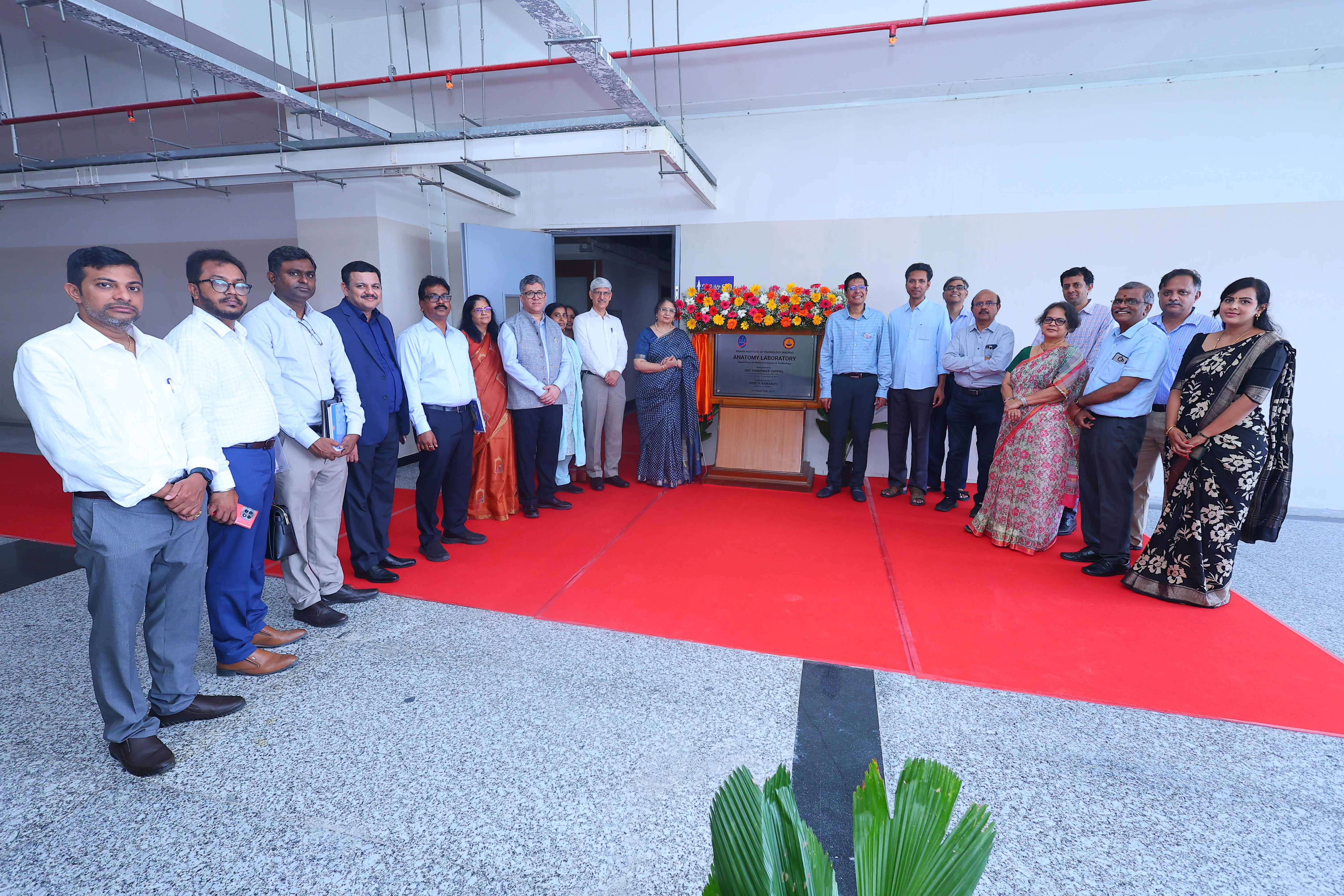
Establishment of the Anatomy Lab
Supported by Power Finance Corporation Limited (PFC) Department of Medical Sciences and Technology Indian Institute of Technology Madras Introduction Under its Corporate Social Responsibility (CSR) initiative, Power Finance Corporation Limited (PFC) extended financial assistance for the establishment of the Anatomy Lab in the Department of Medical Sciences and Technology at IIT Madras. This initiative represents a significant contribution toward strengthening interdisciplinary medical education and advancing healthcare innovation in India. PFC was among the earliest organizations to support this newly established department. Its timely intervention enabled the swift creation of critical academic infrastructure, reinforcing the Institute’s vision of integrating medical sciences with engineering and technology. Background and Institutional Vision The Department of Medical Sciences and Technology at the Indian Institute of Technology Madras was established to bridge engineering and medicine through interdisciplinary collaboration. By bringing together clinicians, life scientists, and engineers, the department addresses complex healthcare challenges and trains future physician scientists and engineering physiologists. The BS Programme in Medical Sciences and Engineering integrates medical and engineering education through interdisciplinary coursework and hospital exposure, with Anatomy serving as a foundational subject. This made the establishment of a state-of-the-art Anatomy Lab essential to its academic and research mission. The Anatomy Lab: A Tech-Enabled Learning Ecosystem The Anatomy Lab bridges theory and practice through advanced, technology-enabled infrastructure, offering immersive, hands-on learning without reliance on conventional wet labs. It includes: Synthetic Cadavers for realistic, repeatable dissection and simulation Virtual Dissection Tables for interactive 3D anatomical exploration and case-based learning Ultrasound Simulator System for safe, real-time imaging training Bio Motion Capture Device for functional movement analysis and device research Visualization Chart Models for clear understanding of physiological systems Together, these tools create a future-ready, interdisciplinary learning environment that strengthens medical education, research, and healthcare innovation. Project Outcomes and Impact The Anatomy Lab has strengthened foundational training in the Department of Medical Sciences and Technology at the Indian Institute of Technology Madras by integrating practical exposure with theoretical learning in Anatomy. It supports hands-on exploration, clinical case benchmarking, functional anatomy understanding, interdisciplinary research, and innovation in medical devices and diagnostics. Benefiting students across academic levels, the lab enables research ideas to translate into meaningful clinical applications. It also positions the institute as a leader in technology-driven medical education. Contribution to National Development and SDGs The initiative aligns with: SDG 3 – Good Health and Wellbeing , by advancing medical education and research. SDG 4 – Quality Education , through high-quality learning infrastructure. SDG 17 – Partnerships for the Goals , reflecting collaboration between Indian Institute of Technology Madras and Power Finance Corporation Limited. Conclusion Through its CSR support, Power Finance Corporation Limited has enabled the creation of a technology-enabled Anatomy Lab at Indian Institute of Technology Madras. The initiative strengthens interdisciplinary education, advances biomedical research, and contributes to the broader goal of accessible and impactful healthcare.
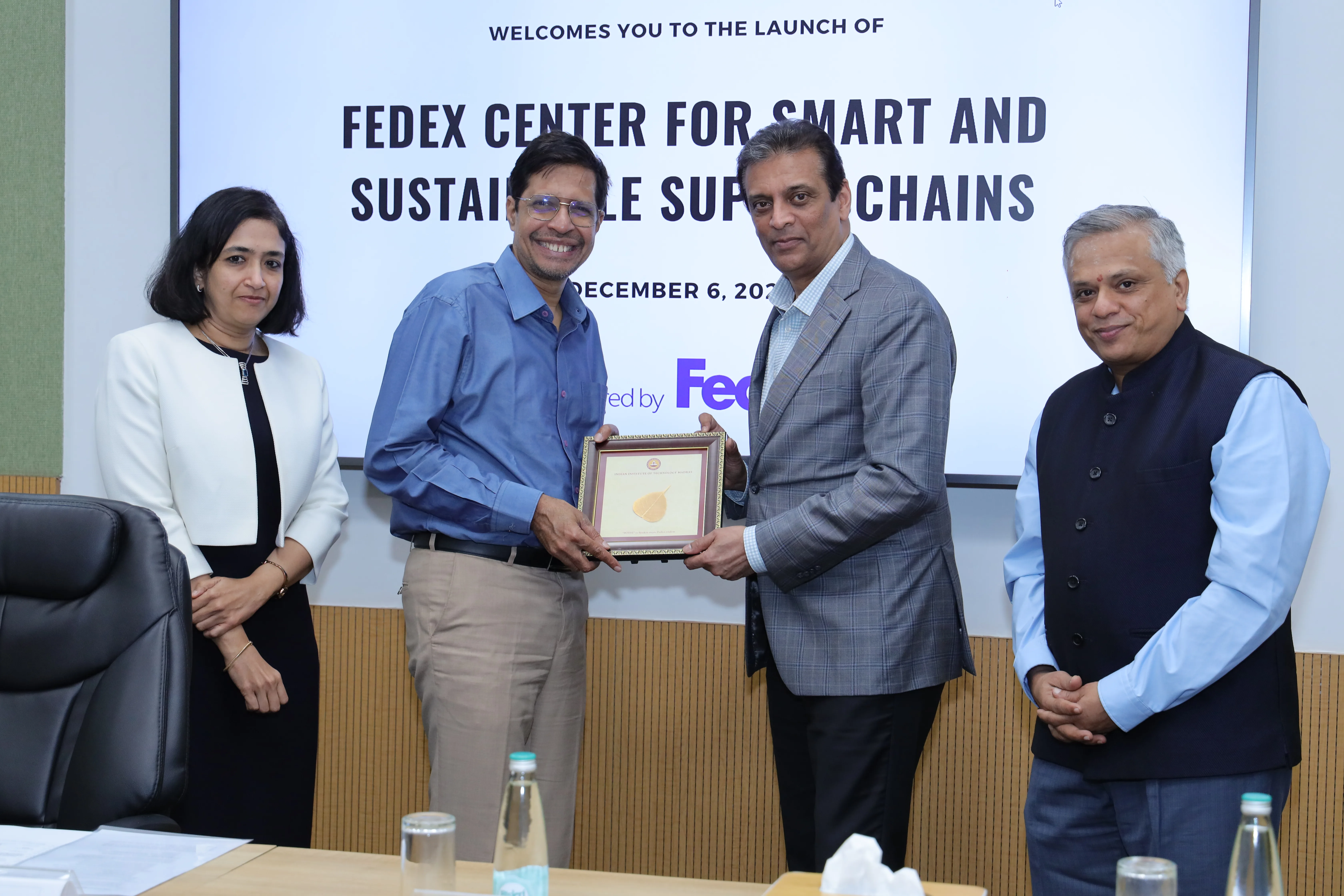
FedEx SMART Centre
Advancing Sustainable, Intelligent and Resilient Supply Chains Through Research and Innovation A strategic partnership between FedEx Corporate Services and IIT Madras The Challenge Global supply chains are undergoing unprecedented transformation, driven by growing sustainability demands, rapid digitalisation, climate concerns, and increasing operational complexity. As industries strive to reduce carbon emissions while improving efficiency and resilience, there is an urgent need for innovative technologies, data-driven decision-making, and collaborative research that can shape the future of logistics. The FedEx SMART Centre was established to address these challenges by developing next-generation solutions for sustainable supply chains through interdisciplinary research and industry collaboration. The Initiative The FedEx SMART (Supply Chain Modelling, Algorithms, Research and Technology) Centre at IIT Madras serves as a global platform for research, innovation, and talent development in logistics and supply chain systems. Supported by FedEx Corporate Services , the Centre brings together researchers, students, and industry experts to develop cutting-edge digital technologies, analytical models, and decision-support tools that enable greener, more efficient, and resilient logistics networks. Beyond research, the Centre functions as a hub for knowledge exchange, industry-academia collaboration, and capacity building, accelerating the translation of innovative ideas into real-world impact. Driving Innovation for Sustainable Logistics The Centre's research spans a wide spectrum of emerging areas including supply chain optimisation, artificial intelligence, digital transformation, multimodal logistics, environmental sustainability, and workforce well-being. Through advanced models, algorithms, and technology frameworks, the Centre is creating solutions that improve operational efficiency while supporting measurable reductions in carbon emissions and promoting responsible logistics practices aligned with global sustainability goals. Alongside research, the Centre nurtures innovation through seminars, internships, workshops, hackathons, collaborative research projects, and industry engagement, creating an ecosystem where academia and industry jointly address some of the most pressing challenges facing modern supply chains. Building Future Leaders and Industry Capability A key strength of the FedEx SMART Centre lies in developing the next generation of supply chain researchers and professionals. By fostering interdisciplinary research, student publications, industry interactions, and hands-on learning opportunities, the Centre is strengthening India's research capabilities while creating a pipeline of talent equipped to solve complex logistics challenges at both national and global scales. A Partnership Creating Global Impact The partnership between FedEx Corporate Services and IIT Madras exemplifies how industry-academia collaboration can drive meaningful societal impact. Together, they are building a world-class research ecosystem that combines scientific excellence with practical application, advancing sustainable logistics, enabling digital transformation, and shaping the future of global supply chains. As the Centre continues to expand its research, collaborations, and innovation ecosystem, it is poised to become a global leader in creating intelligent, resilient, and environmentally responsible supply chain solutions.
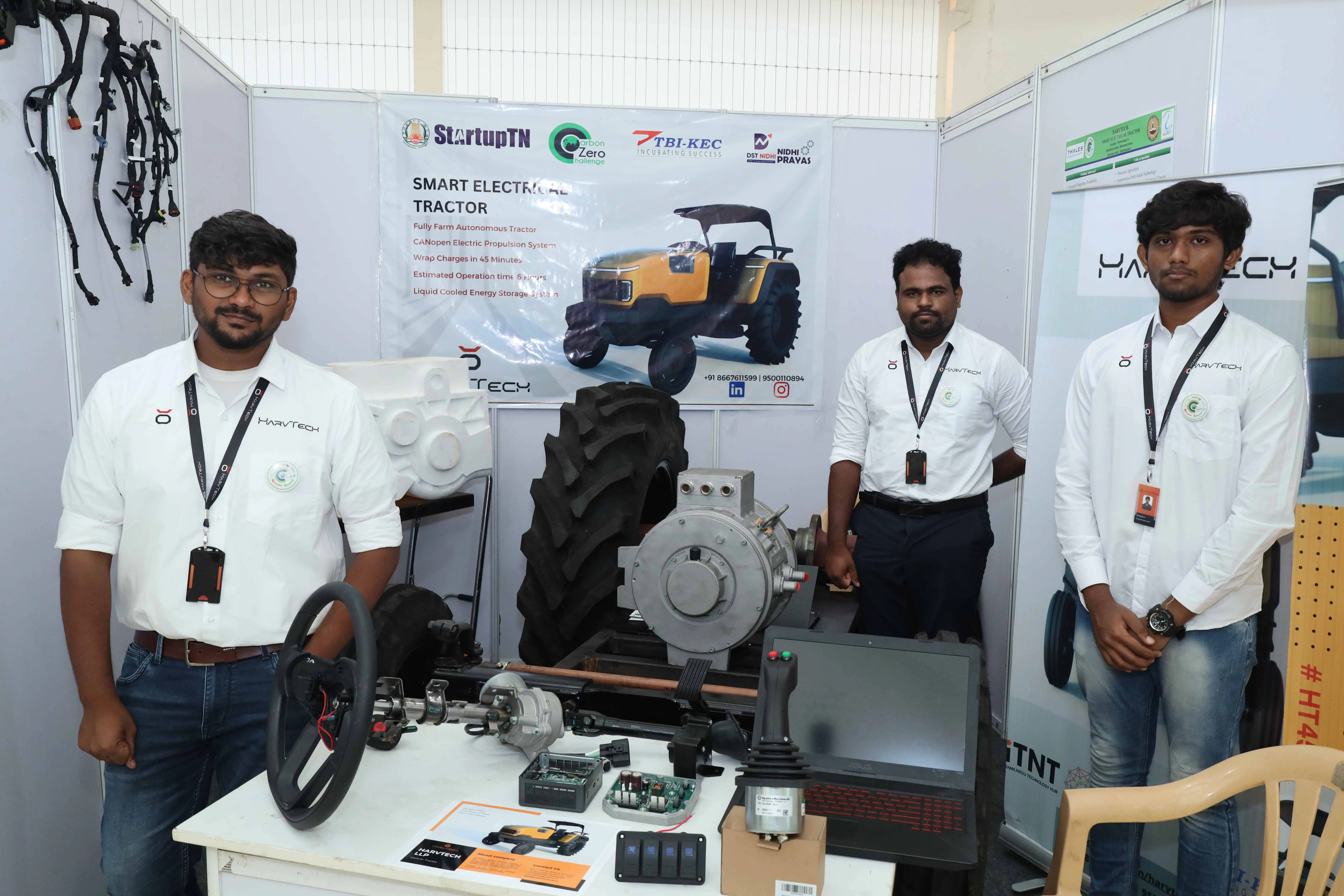
How Green Can My Planet Be?
Working at restoring environmental balance for a Green Future, the Carbon Zero Challenge 5.0 project of IIT Madras in association with Thales DIS CPL India Private Ltd, offers a platform for sustainability in tandem with technology and enterprise (38 words) Planet Earth needs a reboot. While the enlightened are conscious about the need to hand over a greener world to the next generation, the price of ‘progress’ is expensive. IIT Madras, in association with Thales DIS CPL India Private Ltd, has created a platform that encompasses innovation and change in dealing with environmental challenges. For Thales DIS CPL India Private Ltd, this is part of its Corporate Social Responsibility. The spotlight is in engendering thought and transformation in how we deal with responsibly interacting with our environment. For any adverse impact on our environment, in turn impacts our own everyday living conditions as well as human health. A platform was created for participating teams to innovatively create solutions to address sustainability across environmental sectors. These include agriculture, infrastructure, clean energy, conscious and sustainable waste management, recovery of resources, reduction of pollution and energy efficiency across sectors. The platform was inaugurated by Ms Supriya Sahu, IAS and Prof. Ashok Jhunjhunwala, who reinforced the critical role that policy and innovation plays in environmental improvement. Each team submitted a financial proposal that was evaluated on several parameters. Reviews were conducted for feasibility, transparency in execution, alignment of the budgets with the technical scope and project milestones. The review processes ensured that financial discipline was strengthened and accountability was the cornerstone, ensuring that fund utilisation was efficient. Innovators from across the country were given opportunities on this platform, and participants included students, start-up founders, and researchers working on climate and sustainability solutions. Progress review meetings conducted between September and November 2025, monitored the milestones, technical progress, alignment with approved work plans and the challenges faced during execution. This was followed by final review meetings that took place between December 2025 and January 2026. These assessed the completion, utilisation of budgets as well as the technical outcomes of each team project. A Grand Jury Meeting that took place 22–24 January 2026, clearly assessed what the teams had achieved. Winning teams across themes and categories were chosen for awards. The conclusion to the project was the Grand Expo of the Deep Climate Tech Start-Up Prototypes that took place between 29 and 31 January 2026, with panel discussions, distinguished keynote speakers, a pitch tank for college students and climate games for school students and more. The highlight of the last day of this event was the awards ceremony in which startups that demonstrated outstanding innovation, scalability, and real-world climate impact were recognised with cash prizes. Carbon Zero Challenge 5.0 has thrown open the doors of technology and entrepreneurship to sustainable development goals, in harnessing climate and environmental intervention as positive business practice, while reinforcing the role that we humans ourselves play in the health of our planet. (450 words)
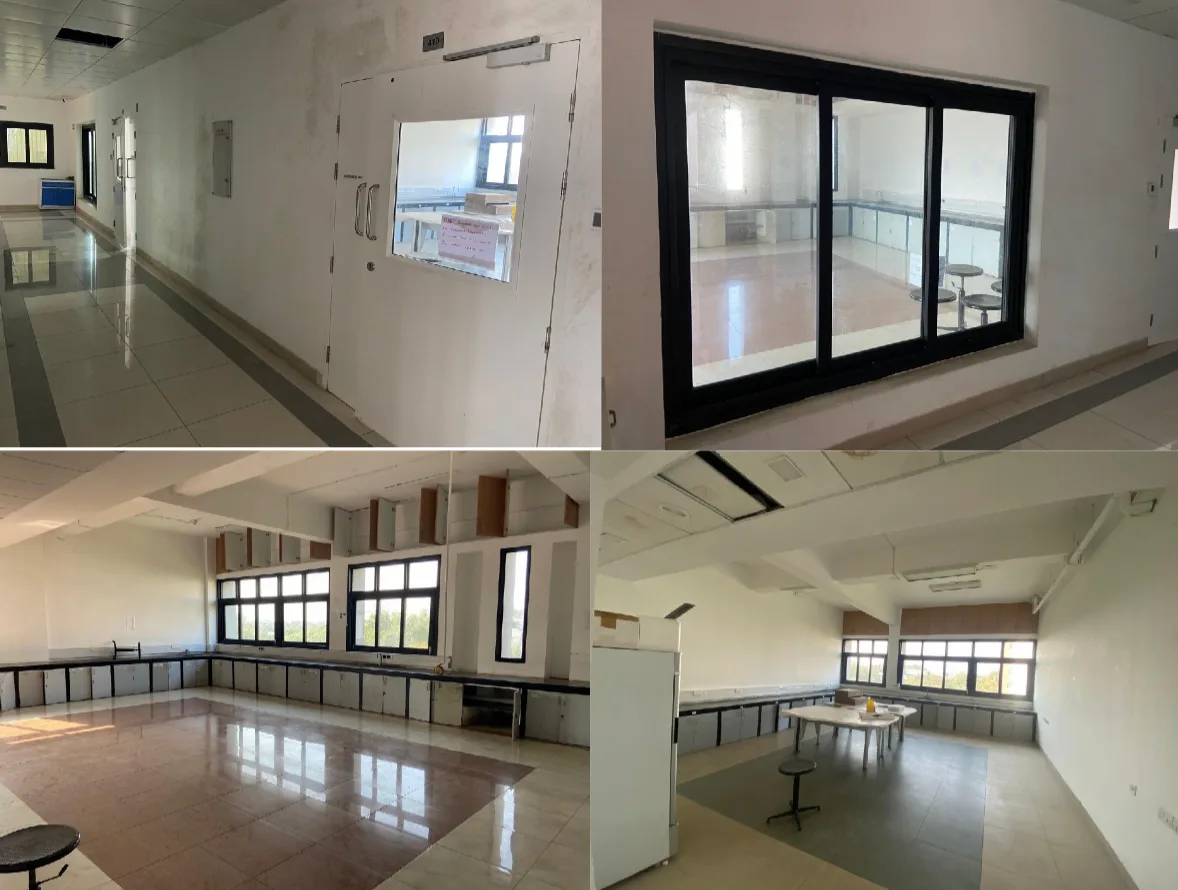
HSBC Centre for Resource Efficiency, Recyclability & Circularity in Energy Transition (CRRET)
Building India's Circular Economy for a Sustainable Energy Future A transformative partnership between HSBC India and IIT Madras The Challenge As the world accelerates its transition to renewable energy, a new environmental challenge is rapidly emerging the mounting volume of end-of-life batteries, solar panels and electronic waste. By 2030, millions of tonnes of lithium-ion batteries and solar panels will reach the end of their life, yet only a small fraction is currently recycled. Recovering valuable metals, plastics and critical materials from these waste streams is essential to reduce dependence on virgin resources, lower emissions, and build a truly circular economy. Vision To establish IIT Madras as a global leader in circular economy research by developing technologies that recover value from waste, accelerate clean energy transitions, and create sustainable solutions that benefit industry, society, and the environment. Through innovation, education, and policy leadership, the Centre aims to redefine waste as a valuable resource for a greener future. This wording is consistent with the Centre's stated objectives of technology development, research translation, skill creation, certification, and stakeholder collaboration. The Initiative Supported by HSBC India through its CSR programme, IIT Madras established the Centre for Resource Efficiency, Recyclability & Circularity in Energy Transition (CRRET) under the School of Sustainability. The Centre brings together experts from chemical engineering, materials science, sustainability, policy and industry to develop breakthrough technologies for recycling batteries, solar panels, plastics and e-waste. Beyond research, the Centre is creating a national platform for technology translation, skill development, industry collaboration and policy innovation to advance India's transition towards net-zero and circular manufacturing. Creating a National Centre of Excellence Within its first year, CRRET has rapidly evolved from concept to a fully operational research facility. Dedicated laboratories have been established, advanced recycling and battery fabrication equipment has been commissioned, and specialised research infrastructure has been created to support cutting-edge work in battery recycling, e-waste processing and resource recovery. Strategic collaborations including an industry partnership with Bridge Green UpCycle are accelerating technology development and preparing solutions for commercial deployment. Research Driving Circular Innovation The Centre has already launched multiple interdisciplinary research programmes focused on recovering critical minerals from e-waste, scaling battery recycling technologies, developing environmental audit frameworks, creating sustainable policy for end-of-life EV batteries, and advancing circular economy models for recycling industries. Early research has resulted in peer-reviewed publications while laying the foundation for future intellectual property, technology transfer and deep-tech entrepreneurship. Beneficiaries & Societal Impact The Centre is creating impact far beyond the laboratory. Direct beneficiaries include: Researchers, doctoral scholars and students working on next-generation recycling technologies. Industry partners developing sustainable manufacturing and recycling solutions. Policymakers shaping India's circular economy and battery recycling ecosystem. School students engaged through outreach programmes that build awareness around sustainability and resource recovery. Future beneficiaries include waste pickers and recycling workers through planned large-scale skill development initiatives, alongside professionals who will benefit from upcoming NPTEL certification programmes.
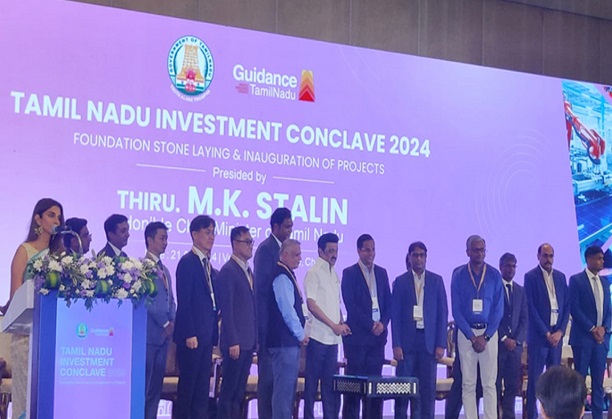
Hyundai and IIT Madras Partner to Establish Hydrogen Innovation Centre
Hyundai Motor India Limited (HMIL) has begun work on a ₹100 crore Hydrogen Innovation Centre. Developed in collaboration with IIT Madras, the 65,000 sq. ft. facility will focus on hydrogen production, fuel cell research, and innovation.
Hyundai Hope for Cancer
Advancing Precision Oncology. Expanding Access. Transforming Lives. A CSR Initiative by Hyundai Motor India Foundation in partnership with IIT Madras About the Initiative Hyundai Hope for Cancer is a first-of-its-kind collaboration between Hyundai Motor India Foundation (HMIF) and IIT Madras , bringing together world-class cancer genomics research with community-based healthcare interventions. The initiative aims to revolutionize paediatric cancer care in India through precision medicine, early diagnosis, preventive healthcare, and equitable access to treatment. The Need Cancer is one of India's fastest-growing public health challenges. 1.5 Million new cancer cases diagnosed every year Cases projected to double by 2040 50,000+ children diagnosed with paediatric cancer annually Nearly 50% of cancer patients lose their lives due to delayed diagnosis and limited access to advanced treatment India lacks comprehensive population-specific genomic data essential for precision oncology. Our Approach Research & Innovation Establishing the Hyundai Centre for Cancer Genomics at IIT Madras to create India's first childhood cancer genomic database, identify biomarkers for early diagnosis, and develop precision therapies tailored to the Indian population. Prevention & Early Detection Large-scale awareness campaigns, cancer screening programs, HPV vaccination, and mobile health units to improve early diagnosis and reduce cancer burden in underserved communities. Access to Care Providing financial assistance for paediatric cancer treatment, genetic counselling, diagnostics, and capacity building for healthcare professionals to ensure equitable access to quality care. Target Impact 127,000+ Individuals to be screened 5,040+ Girls to receive HPV vaccination 250+ Cancer awareness & screening camps 30+ Children from underserved families to receive free cancer treatment Powered by IIT Madras The initiative is built on IIT Madras' National Cancer Tissue Biobank (NCTB) —India's first community-based national cancer biobank—with advanced genomic sequencing, AI-enabled analytics, and state-of-the-art research infrastructure driving breakthroughs in precision oncology. Creating Hope Beyond Treatment By integrating scientific excellence, preventive healthcare, and community outreach , Hyundai Hope for Cancer seeks to reduce cancer-related mortality, accelerate personalized treatment, and build a future where every child has access to timely diagnosis, better treatment, and renewed hope.
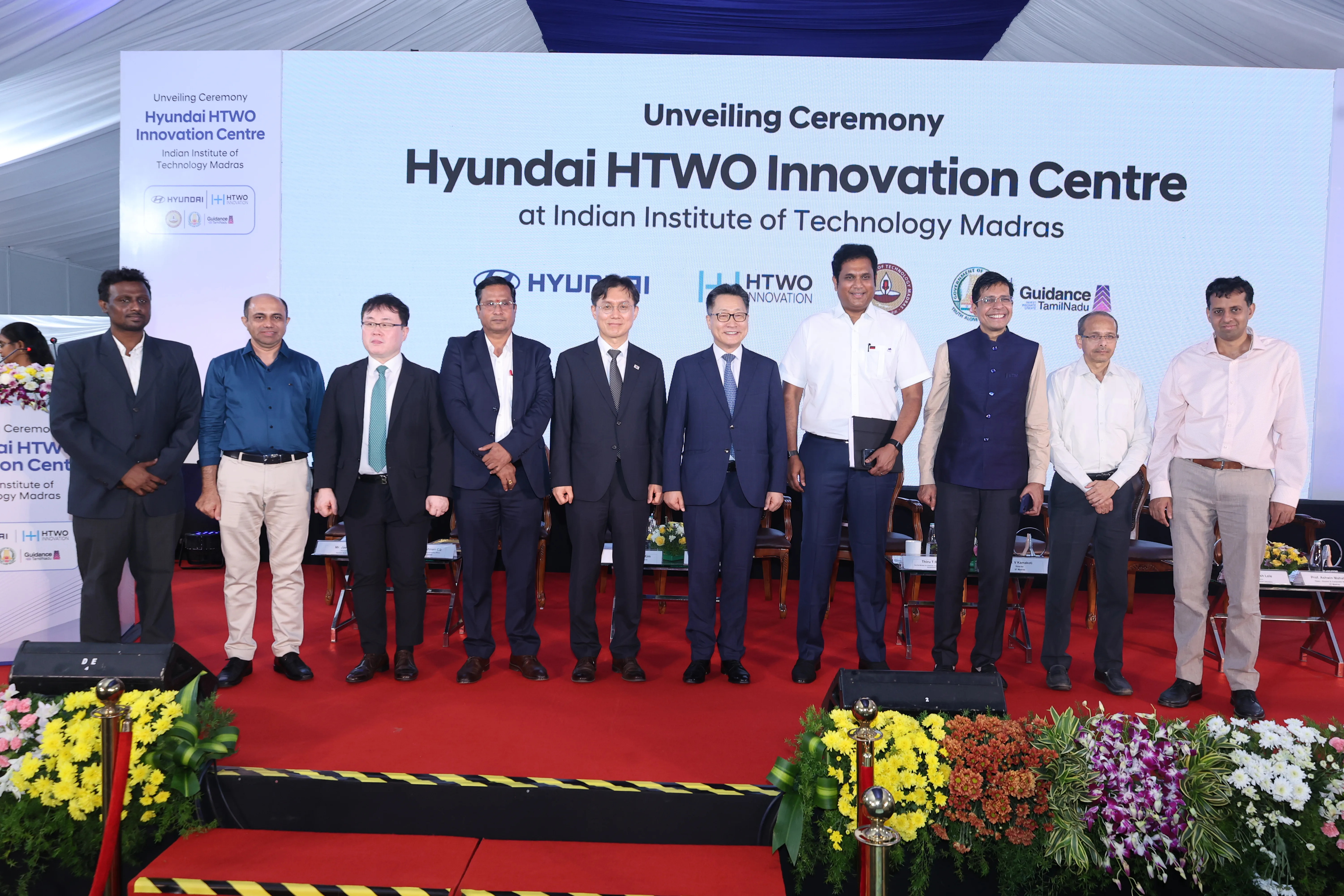
Hyundai HTWO Innovation Centre at IIT Madras
CSR Initiative – Recent Progress and Developments (As per January 2026 Report) The Hyundai HTWO Innovation Centre at IIT Madras is a collaborative CSR initiative between Hyundai Motor India Limited, Indian Institute of Technology Madras, and Guidance Tamil Nadu, supported by the Government of Tamil Nadu. The initiative is aimed at advancing hydrogen research, strengthening indigenous technological capabilities, and fostering academia–industry collaboration in clean energy solutions. The Centre is being established at the IIT Madras Thaiyur campus and is envisioned as a dedicated hub for hydrogen innovation, testing, and applied research. Project Vision under CSR As part of its CSR commitment, Hyundai Motor India Limited has partnered with IIT Madras to build infrastructure and research capabilities in green hydrogen technologies. The Centre is designed to: Support research in hydrogen production Enable development and testing of hydrogen storage solutions Advance hydrogen mobility applications Promote local manufacturing capabilities Create a skilled technical workforce in hydrogen technologies The initiative aligns with broader goals of developing a hydrogen ecosystem in Tamil Nadu and India, while strengthening sustainable energy research and industry-ready innovation. Recent Progress: Construction and Infrastructure The project has progressed significantly across design and pre-construction stages. Architectural, structural, and detailed system designs have been completed. Tender documents are under review, interior and landscaping works are underway, and statutory approvals for construction have been initiated. The appointment of a Project Management Consultant is under technical evaluation. Overall, the project has moved from planning into implementation readiness. Electrolyser Test Rig Development Design finalization and safety studies have been completed, and procurement of auxiliary components has been initiated. Equipment fabrication is underway at the vendor’s facility, and Factory Acceptance Testing of the first electrolyser test rig has been completed. The rig is ready for deployment and will support hydrogen production research, testing, and validation. Hydrogen Refuelling Station (HRS) The layout for the Hydrogen Refuelling Station has been finalized, and statutory approval processes have been initiated. Vendor engagement is progressing as planned. The HRS will enable research in hydrogen mobility and applied demonstration activities. Research Proposals and Funding Status A proposal submitted to the Ministry of New & Renewable Energy for establishing a hydrogen research centre has been shortlisted and is under final evaluation. Another proposal, BHAVI – Biowaste to Hydrogen for Advanced Valorisation & Integration , was submitted under a waste-to-hydrogen initiative but was not selected. These efforts reflect continued expansion of the Centre’s research engagement and ecosystem development. Institutional Milestone The Unveiling Ceremony of the Hyundai HTWO Innovation Centre was held at the Hydrogen Hub, IIT Madras, Thaiyur Campus, marking a key milestone in strengthening industry–academia collaboration. CSR Impact Perspective The Centre represents industry-supported capacity building in clean energy research, development of hydrogen innovation infrastructure, strengthening of sustainable technology ecosystems, and advancement of future-ready technical talent. Steady progress across design, procurement, fabrication, regulatory approvals, and research engagement reflects a structured implementation approach. Way Forward The next phase will focus on civil construction, system integration, commissioning of electrolyser test rigs, further development of hydrogen refuelling infrastructure, and continued research advancement. As per the January 2026 progress report, the initiative is steadily moving toward operational readiness and establishing a strong hydrogen innovation ecosystem at IIT Madras.
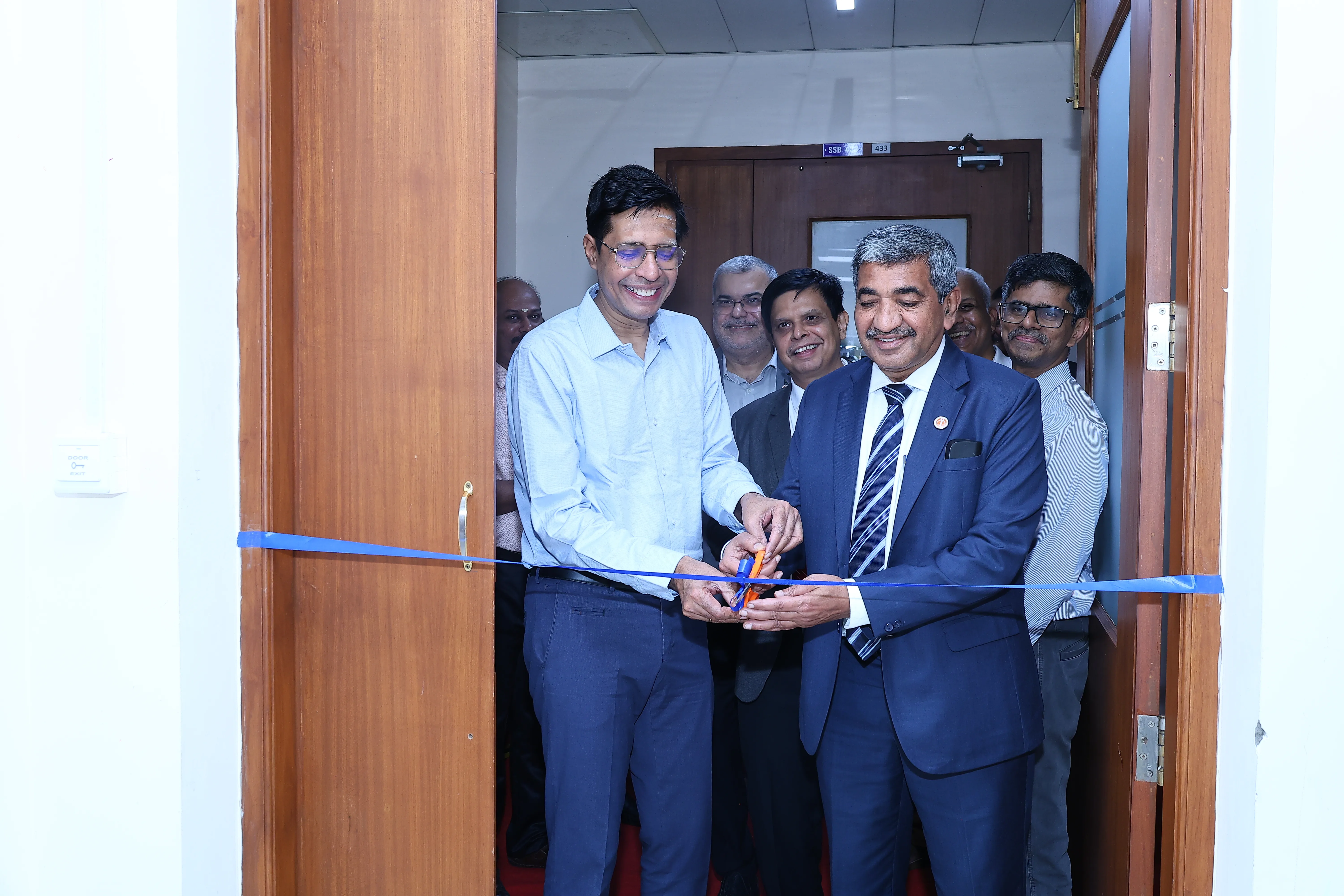
IDBI Bank – IIT Madras Secure Systems Lab (I2SSL)
The partnership between IDBI Bank and the Secure Systems Lab at IIT Madras is a corporate social responsibility initiative focused on advancing research in cybersecurity, secure computing, and digital trust. The collaboration supports the development of technologies and research infrastructure that strengthen the security and reliability of digital systems used across sectors such as banking, public services, and digital identity platforms. Through this initiative, the Secure Systems Lab conducts research in areas such as secure authentication systems, trusted processor architectures, malware analysis, and automated security evaluation. The program also promotes education, knowledge sharing, and community engagement in cybersecurity through workshops, events, and collaborative platforms. Research Initiatives The program supports multiple research initiatives aimed at strengthening cybersecurity and secure computing systems. One key effort focuses on enhancing Aadhaar-linked biometric authentication by integrating blockchain technology to create a tamper-resistant and privacy-protected framework for digital identity verification. Another initiative works on designing secure processor architectures that protect applications even if the operating system is compromised. In this approach, application code remains encrypted in memory and is decrypted only during execution, helping safeguard sensitive data while maintaining normal system functionality. The program also develops a platform for malware analysis and data collection, enabling researchers to study malicious software behavior and improve threat detection and prevention strategies. Additionally, the initiative supports the development of automated tools that help evaluate software systems for potential security vulnerabilities, promoting stronger security practices and improving overall software reliability. Education and Outreach In addition to research activities, the initiative actively supports education and community engagement in cybersecurity. The Secure Systems Lab organizes events, workshops, and discussions that bring together researchers, students, and industry experts to share knowledge and explore emerging security challenges. Activities conducted under this program include technical workshops on topics such as blockchain technologies, discussions on resilient and secure autonomous systems, and cybersecurity puzzle challenges designed to engage and educate students. The initiative also supports conferences, hackathons, and collaborative platforms that encourage innovation and practical problem-solving in cybersecurity. These events provide valuable opportunities for students and researchers to interact with experts, gain exposure to real-world security challenges, and develop practical skills in secure system design and analysis. Broader Impact The IDBI Bank – IIT Madras Secure Systems Lab initiative highlights the role of corporate social responsibility in supporting advanced research that benefits society. By investing in secure computing technologies and cybersecurity education, the program contributes to strengthening digital trust and protecting critical digital infrastructure. The collaboration not only advances technological research but also helps develop the next generation of cybersecurity professionals through hands-on learning, interdisciplinary collaboration, and knowledge sharing. Overall, the initiative demonstrates how industry–academic partnerships can drive innovation and create solutions that enhance the security and resilience of modern digital ecosystems.
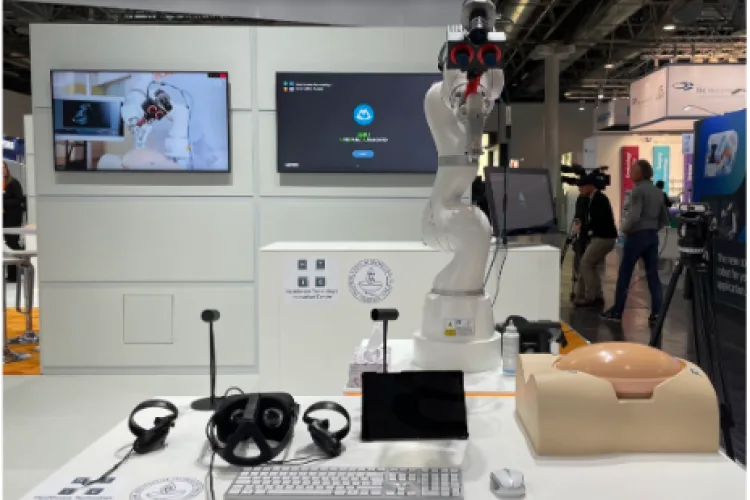
IIT Madras Brain Centre
Putting India at the Forefront of Human Brain Cartography Vision The IIT Madras Brain Centre aims to create one of the world's largest collections of high-resolution human brain maps, providing an open scientific resource that will transform neuroscience research for decades to come. By integrating advanced imaging technologies, computational tools, and interdisciplinary expertise, the Centre seeks to accelerate discoveries in brain development, neurological disorders, precision medicine, and brain-inspired technologies ensuring that India plays a leading role in shaping the future of global brain research. The Challenge The human brain is the most complex organ in the human body, yet our understanding of its structure and function remains limited. Despite decades of international efforts, fewer than 20 complete high-resolution human brain datasets are available globally, leaving significant gaps in our understanding of brain development, neurological disorders, and disease mechanisms. Addressing this challenge requires not only cutting-edge neuroscience but also breakthroughs in imaging, engineering, computational science, and data analytics. Why This Matters Advances in human brain mapping have the potential to transform the diagnosis and treatment of neurological and psychiatric disorders, accelerate precision medicine, and deepen our understanding of how the human brain develops and functions. High-resolution brain atlases serve as foundational resources for researchers worldwide, enabling discoveries in developmental neuroscience, neurodegenerative diseases, brain-inspired artificial intelligence, and clinical medicine. IIT Madras' Innovation The IIT Madras Brain Centre has established a world-leading technology platform that combines neuroscience, medicine, engineering, and advanced imaging to create whole human brain maps at cellular resolution . Unlike conventional research programmes that begin with animal models, the Centre has leapfrogged directly to human brain research by developing an end-to-end workflow encompassing tissue preservation, cryosectioning, staining, whole-slide digitisation, and three-dimensional reconstruction. This integrated platform enables the creation of terabyte-scale digital brain atlases that provide unprecedented insight into the organisation of the human brain. Global Impact The Centre's flagship initiative, DHARANI —India's three-dimensional human brain atlas—has earned international recognition through a special editorial in the Journal of Comparative Neurology , one of the world's oldest and most respected neuroscience journals. This milestone places IIT Madras among a select group of institutions advancing global human brain cartography and establishes India as an emerging leader in frontier neuroscience research. Why Philanthropy Matters Building a world-class brain mapping programme requires sustained investment in advanced imaging technologies, computational infrastructure, interdisciplinary research, and highly skilled scientific talent. Philanthropic support enables IIT Madras to expand its research capabilities, accelerate the creation of comprehensive human brain atlases, foster international collaborations, and train the next generation of neuroscientists and engineers. Such investments will help establish India as a global hub for brain science while driving innovations that improve human health. Key Milestones Since launching its human brain mapping programme in 2020 , the Centre has made remarkable progress toward creating one of the world's most comprehensive repositories of human brain data. More than 70 human brains have already been processed, with over 300 fetal, adult, neurotypical, and pathological brain specimens in the pipeline. The long-term vision is to generate 100+ high-resolution human brain maps , creating a globally significant resource for neuroscience research and clinical discovery.
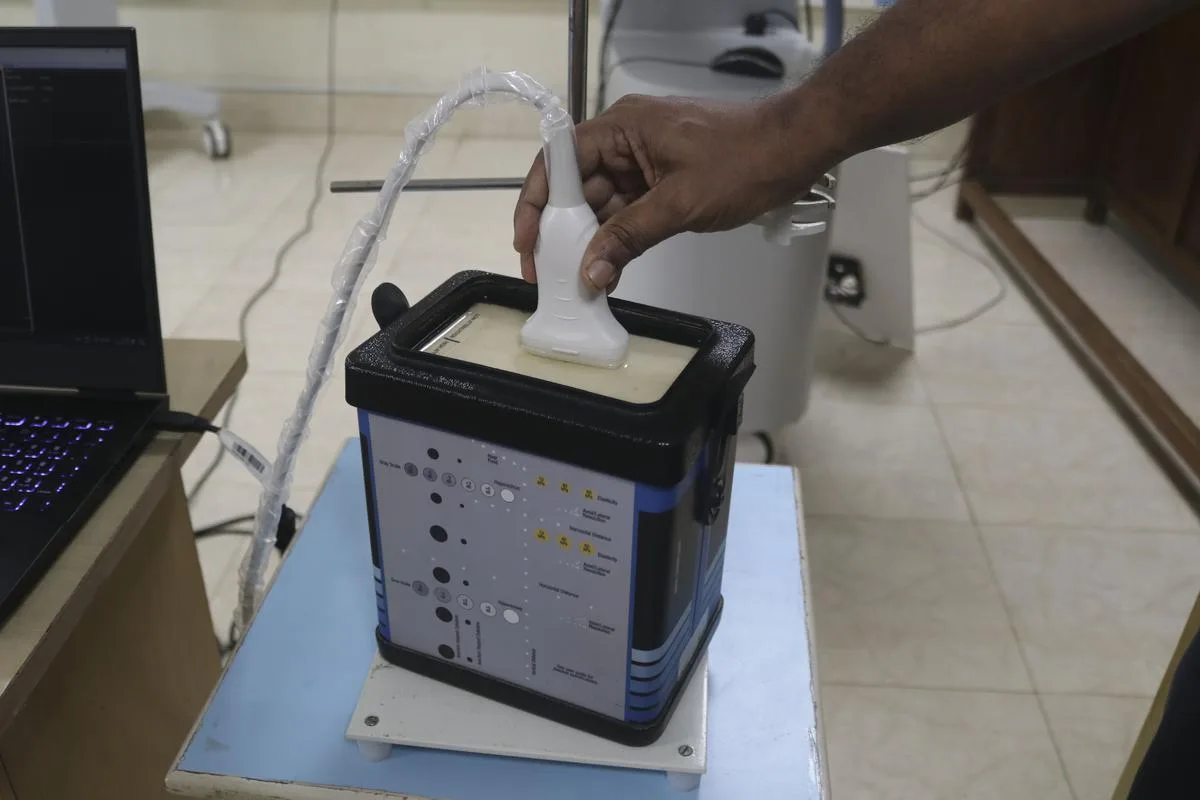
Indigenous State-of-the-art Ultrasound Scanner for Maternal and Fetal Healthcare
Department of Applied Mechanics and Biomedical Engineering (AMBE) Project Overview The project focuses on developing an indigenous ultrasound imaging system designed for maternal and fetal healthcare. The initiative aims to strengthen diagnostic capabilities by enabling reliable imaging for fetal monitoring and maternal health assessment. The work is being carried out at IIT Madras by a multidisciplinary team working across hardware design, software development, signal processing, and imaging technologies. Project Development and Implementation The project has focused on developing and refining the ultrasound hardware platform through iterative improvements in electrical and mechanical components. Enhancements have been implemented to improve system stability and imaging performance, including addressing signal noise and interference during data acquisition. Additional transducer probes operating at different frequency ranges have been integrated to support maternal and fetal imaging requirements. Alongside hardware development, software modules have been designed and integrated to support system operation and imaging functionality. The team worked on debugging and optimizing hardware–software integration to improve image quality. Components such as the graphical user interface, keyboard interface, relay modules, and controller programming have been integrated to enable smooth system operation. Imaging Features and System Capabilities The system includes imaging features relevant to maternal and fetal healthcare. Demonstration modules have been developed for fetal gender masking and fetal biometry functions. A color flow imaging mode has also been implemented to visualize blood flow, with algorithms adapted to function with data obtained from the ultrasound hardware system. Efforts have also been made to improve data transfer mechanisms to support better frame rates and real-time imaging performance. Signal Quality Improvements and Testing The development process addressed challenges related to signal noise and interference. Through systematic troubleshooting, improvements such as shielding enhancements, hardware adjustments, and power supply refinements were implemented to enhance signal stability and image quality. The ultrasound system has undergone testing to evaluate safety and performance parameters applicable to medical electronic devices. Initial testing results indicated that the system met most required parameters, and further validation activities are planned. Conclusion The project represents an important step toward developing advanced medical imaging technology within India. Through continuous hardware refinement, software integration, imaging feature development, and system testing, the project has progressed toward a functional ultrasound imaging prototype designed to support maternal and fetal healthcare applications.
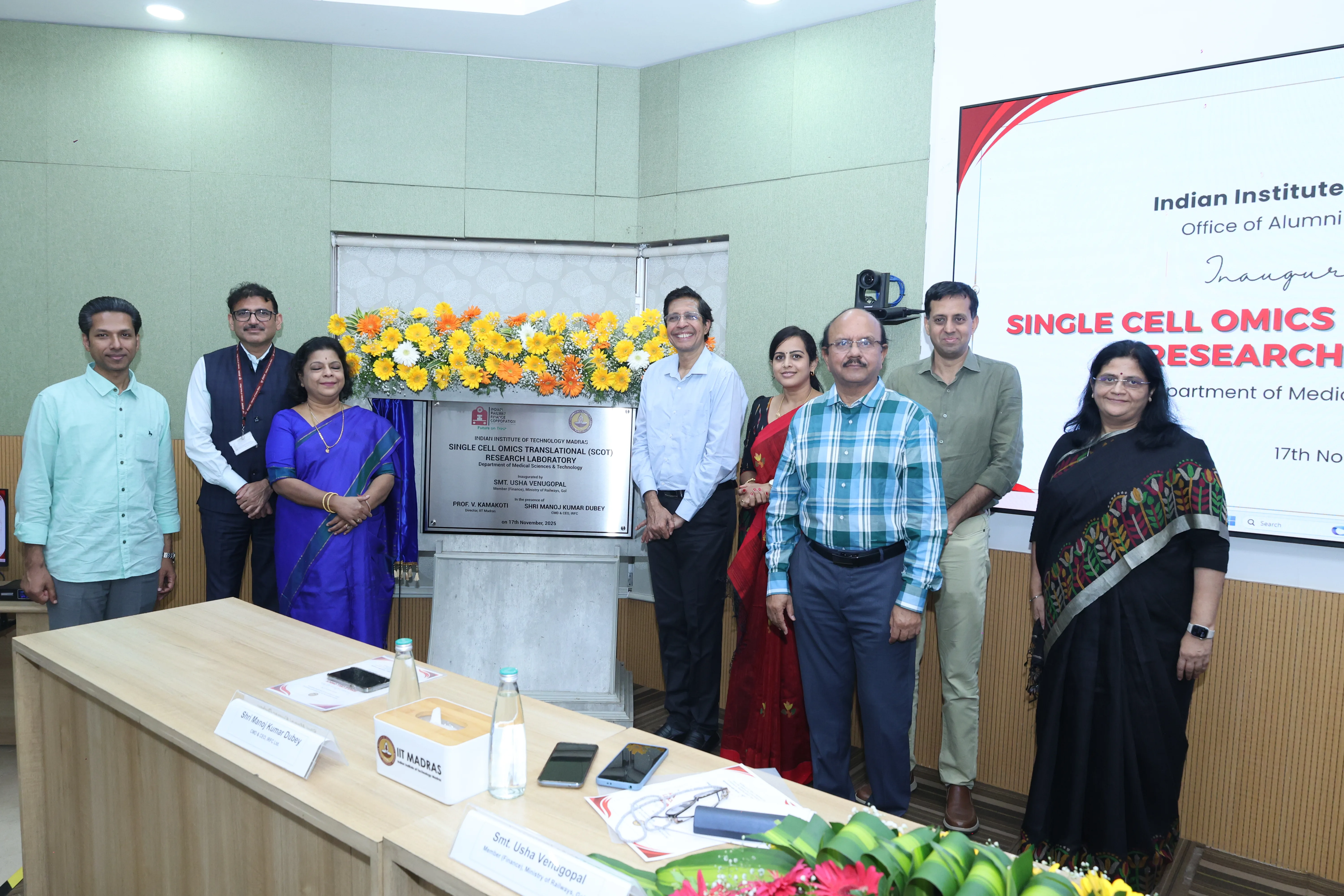
IRFC SCOT Lab
Establishing India's Advanced Single-Cell and Spatial Transcriptomics Infrastructure for Precision Medicine A CSR Initiative by Indian Railway Finance Corporation (IRFC) in partnership with IIT Madras About the Project The Single-Cell and Organoid Technology (SCOT) Lab at IIT Madras is a first-of-its-kind translational research facility that enables scientists to study human diseases at unprecedented cellular resolution. Established with the support of Indian Railway Finance Corporation (IRFC) , the laboratory integrates single-cell multi-omics, spatial transcriptomics, advanced histology, high-resolution imaging, and cryo-electron microscopy into a unified research platform. By combining patient-derived tissues with stem cell-derived human organoids, the SCOT Lab bridges the gap between laboratory research and clinical practice, accelerating discoveries that can improve disease diagnosis, treatment, and personalized healthcare. Why It Matters Many complex diseases—including diabetes, cardiovascular disease, cancer, lung disorders, and infectious diseases—cannot be fully understood by studying tissues in bulk. The SCOT Lab enables researchers to examine individual cells within their native tissue environment, revealing how diseases develop, progress, and respond to treatment. This deeper understanding is essential for developing precision diagnostics, targeted therapies, and personalized treatment strategies that improve patient outcomes. Technology & Research Capabilities The SCOT Lab brings together three advanced technology platforms within a single integrated facility: Single-Cell & Spatial Transcriptomics to decode gene expression and cellular diversity. Cryo-Preparation and Volume Electron Microscopy for ultra-high-resolution imaging of tissues and organoids. Automated Histology Processing for standardized tissue preparation, imaging, and molecular analysis. Together, these technologies create a comprehensive bench-to-omics pipeline , enabling researchers to move seamlessly from tissue processing and imaging to cellular and molecular analysis within one laboratory. Research & Translational Impact The SCOT Lab supports a wide range of research and clinical applications, including the creation of single-cell atlases for human diseases, organoid-based disease modelling, spatial mapping of tissues, immune response profiling, and pathology-to-omics workflows. These capabilities provide critical insights into diseases such as diabetes, heart failure, infections, liver disease, and cancer, while strengthening translational research and enabling the development of next-generation diagnostics and therapies. Building National Capacity Beyond research, the SCOT Lab serves as a national resource for education and healthcare innovation. The facility trains PhD scholars, clinicians, and technologists in cutting-edge omics and imaging technologies, fosters collaborations with hospitals for translational research, and supports internships, workshops, and outreach programmes. By advancing indigenous research capabilities and expanding access to globally relevant technologies, the initiative contributes to Atmanirbhar Bharat , Make in India , and UN Sustainable Development Goal 3: Good Health and Well-being . At a Glance Established under the Department of Medical Sciences and Technology at IIT Madras, the IRFC SCOT Lab became operational in September 2025 as a state-of-the-art national facility for single-cell and spatial biology. By integrating advanced genomics, imaging, histology, and organoid technologies within a single platform, the laboratory is enabling breakthrough research in precision medicine, accelerating translational healthcare innovations, and equipping the next generation of researchers and clinicians with world-class capabilities.
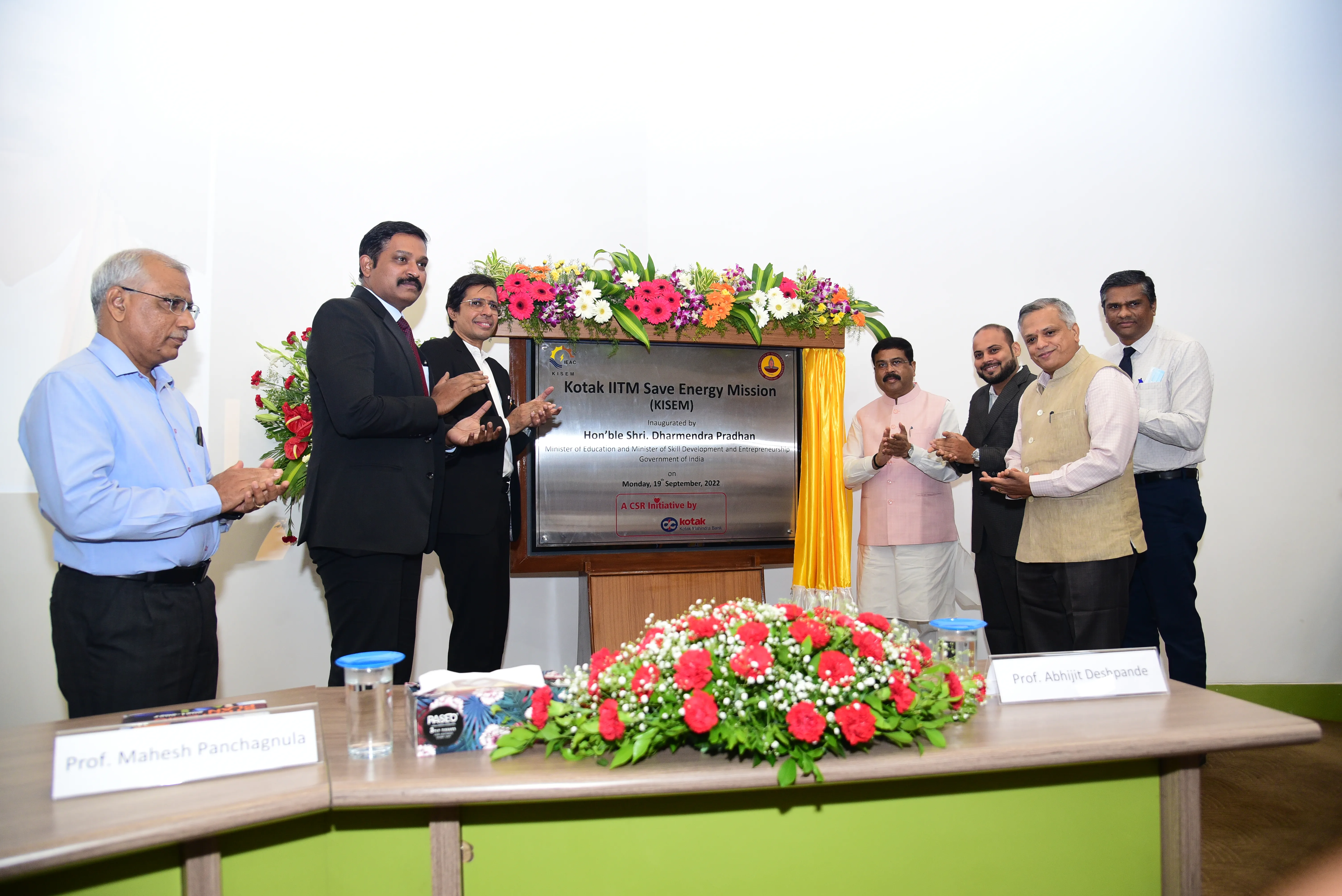
Kotak IITM Save Energy Mission (KISEM)
Driving Energy Efficiency and Sustainable Growth Across India's MSME Sector A CSR initiative supported by Kotak Mahindra Bank Ltd. The Challenge Micro, Small and Medium Enterprises (MSMEs) form the backbone of India's manufacturing economy, yet many continue to operate with inefficient energy systems due to limited awareness, technical expertise, and financial preparedness. This results in higher operating costs, increased carbon emissions, and reduced competitiveness. The Kotak IITM Save Energy Mission (KISEM) was launched to bridge this gap by helping MSMEs identify and implement practical energy conservation measures that improve productivity while advancing India's sustainability goals. The Initiative Led by IIT Madras in collaboration with six IIT partner institutions, KISEM established a nationwide network spanning Tamil Nadu, Maharashtra, Madhya Pradesh, Punjab, Gujarat, Assam, and Telangana . During Phase II, the programme expanded with two new regional centres at IIT Hyderabad and IIT Guwahati , strengthening its outreach across India. Through detailed energy audits, expert technical guidance, and implementation support, the initiative enables MSMEs to adopt energy-efficient technologies and operational improvements that deliver measurable economic and environmental benefits. Transforming Industrial Energy Performance The project surpassed its targets by completing 244 detailed energy audits across 25 manufacturing sectors , including textiles, engineering, chemicals, pharmaceuticals, ceramics, plastics, paper, aluminium, FMCG, rubber, and cold storage. These assessments identified 2,670 Energy Conservation Measures (ECMs) with potential annual savings of ₹185.6 crore . To date, 958 energy-saving measures have been implemented, achieving ₹61.23 crore in annual cost savings while significantly improving operational efficiency across participating industries. Creating Measurable Environmental Impact Beyond reducing energy costs, KISEM is delivering substantial environmental benefits. The recommended interventions have the potential to reduce 1,99,546 metric tonnes of CO₂ emissions annually , with 71,610 metric tonnes already mitigated through implemented measures. By combining engineering expertise with sustained industry engagement, the programme demonstrates how energy efficiency can simultaneously improve industrial competitiveness and contribute to India's climate commitments. A Partnership for Sustainable Manufacturing The partnership between Kotak Mahindra Bank and IIT Madras showcases how corporate social responsibility can create long-term national impact. By enabling MSMEs to reduce energy consumption, lower operating costs, and adopt sustainable manufacturing practices, KISEM is building a more resilient, competitive, and environmentally responsible industrial ecosystem—one that supports economic growth while accelerating India's transition towards a low-carbon future.
Kotak Save Energy Mission
The Kotak IITM Save Energy mission promotes energy conservation in MSMEs. IIT Madras has set up a Save Energy Hub to lead nationwide assessments, supported by four satellite IIT centers across India.

Lab Grown Diamonds – ₹242 Crore Research Grant
IIT Madras has been awarded a five-year research grant of ₹242 crores for research on Lab Grown Diamonds. This research will drive indigenization of the LGD manufacturing process, announced by Finance Minister Nirmala Sitharaman in Union Budget 2023.
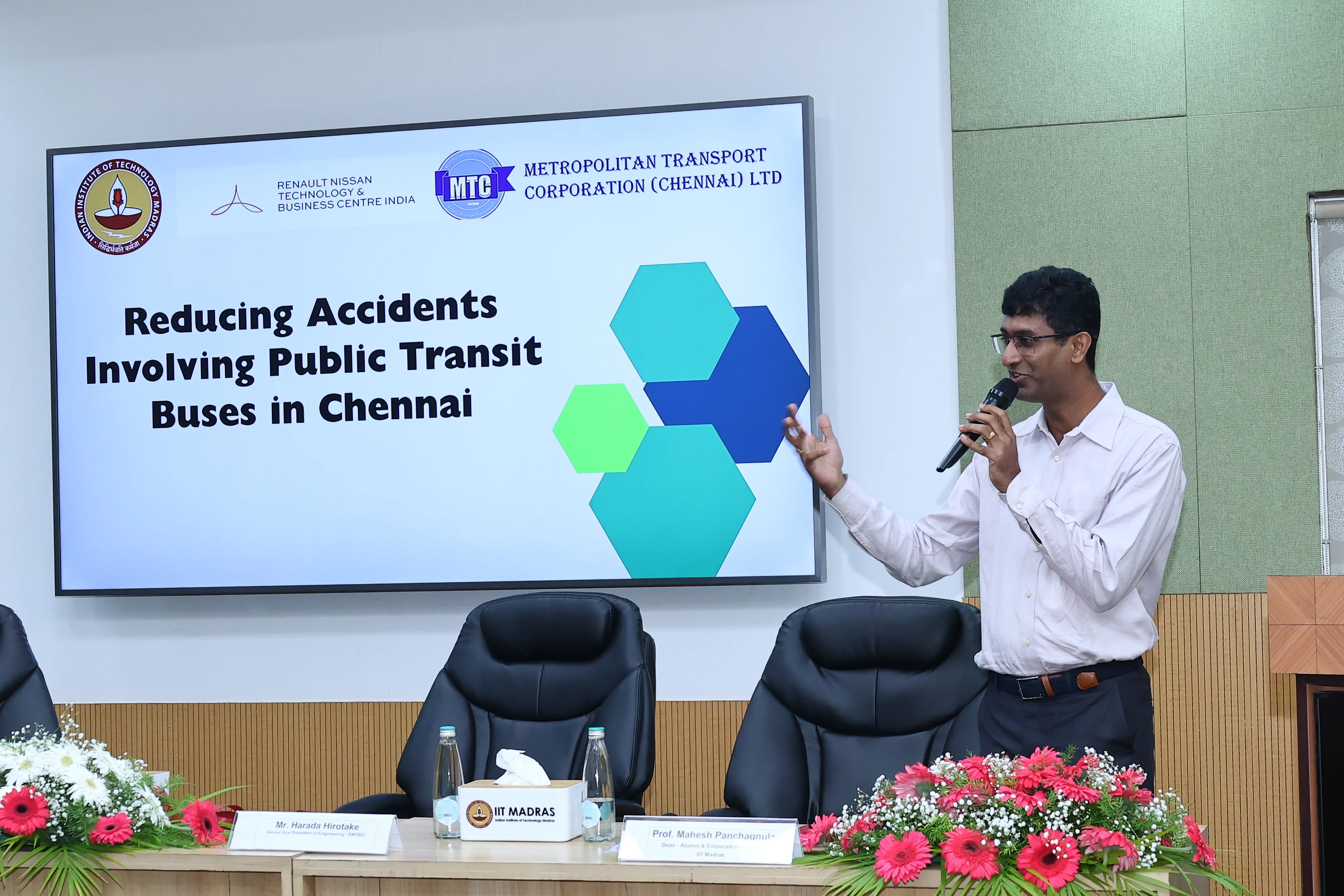
Making Chennai's Public Transport Safer
A Data-Driven Road Safety Initiative to Reduce Bus Accidents through Research, Technology and Innovation The Challenge Public transit buses are the backbone of urban mobility, carrying millions of commuters every day. Yet accidents involving city buses continue to pose significant risks to passengers, pedestrians and road users. Improving safety requires more than reactive measures—it demands a scientific understanding of driver behaviour, operating conditions and accident patterns to develop targeted, evidence-based interventions. Vision This initiative demonstrates how research, data science and collaborative innovation can work together to build safer, smarter and more resilient urban transportation systems. Beyond Chennai, the methodologies, technologies and interventions developed through the project can serve as a scalable model for improving public transport safety across India. The Initiative Supported by Renault Nissan Technology & Business Centre India (RNTBCI), IIT Madras launched a comprehensive research programme to understand and reduce accidents involving Chennai's Metropolitan Transport Corporation (MTC) buses. The project combines large-scale accident analytics, driver health and behavioural assessments, physiological sensing, driving simulation and in-vehicle data collection to identify the factors influencing crash risk. By integrating historical accident records with real-time behavioural data, the initiative aims to develop practical interventions that improve public transport safety. Driving Safer Mobility Through Research The project adopts a multidisciplinary approach that brings together transportation engineering, behavioural science, artificial intelligence and human factors research. Key components include: Analysis of over five years of MTC accident records Randomly selected cohort of 600 bus drivers for behavioural and health assessments Driver surveys covering physical, psychological and workplace factors Driving simulator experiments to evaluate risk scenarios Advanced sensing technologies including ECG, GSR, cameras, accelerometers and gyroscopes for real-world driver monitoring Data-driven models to recommend targeted safety interventions Extending Innovation Beyond Research To complement the research programme, IIT Madras launched Hack-cident , a nationwide innovation challenge inviting students, researchers and industry professionals to develop scalable road safety solutions. The competition attracted 312 registered teams , with promising ideas progressing through multiple evaluation rounds. The best teams received funding to prototype and implement practical solutions capable of improving road safety in real-world environments. Expected Impact The initiative is creating a scientific framework for improving public transport safety by enabling: Evidence-based policies for accident reduction Better understanding of driver behaviour and fatigue Technology-enabled safety monitoring Practical interventions for public transport operators Innovation-driven solutions with potential for deployment across Indian cities By combining rigorous research with open innovation, the project has the potential to transform how cities understand, predict and prevent public transport accidents.
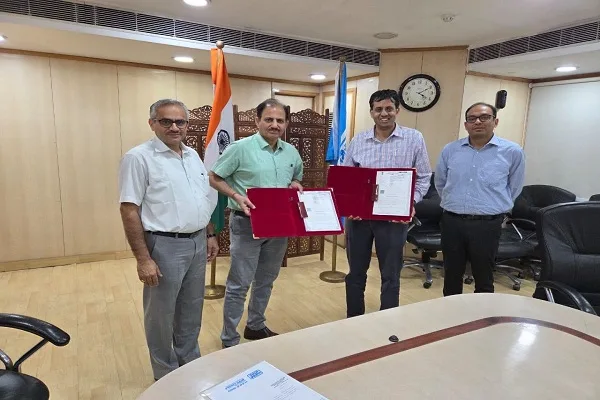
NTPC Centre of Excellence in Cardiovascular Research
Advancing Precision Cardiology. Engineering the Future of Heart Care. A CSR initiative by NTPC in partnership with IIT Madras About the Initiative Cardiovascular diseases remain the leading cause of mortality in India, demanding innovative, interdisciplinary solutions. With the support of NTPC, IIT Madras is establishing the NTPC Centre of Excellence in Cardiovascular Research to bring together engineering, medicine, computational science, and genomics for the development of next-generation diagnostics, therapies, medical devices, and precision healthcare solutions. The Centre comprises two major research facilities— Cardiovascular Mechanics & Engineering and Cardiac Cellular Physiology —supported through a ₹35.41 crore CSR grant , of which ₹25.27 crore has been received . Why It Matters Cardiovascular disease continues to place an enormous burden on India's healthcare system. The Centre addresses this challenge by combining advanced engineering, artificial intelligence, genomics, and clinical research to improve early diagnosis, personalize treatment, develop indigenous medical technologies, and accelerate the translation of laboratory discoveries into patient care. Research Focus Areas Engineering Better Cardiac Care Patient-specific digital twin models for personalized treatment planning AI-powered ECG reconstruction and computational electrophysiology Virtual reality platforms for surgical planning Indigenous development of next-generation cardiac assist devices (LVADs) Precision Medicine & Genomics Identification of genetic and molecular biomarkers for heart disease Spatial and single-cell genomics in heart failure Cardiac immunology and inflammatory profiling Human cardiac tissue biobanking for future research Translation & Innovation Mechanistic pathway discovery and functional validation Public cardiovascular data atlas and intellectual property generation Advanced imaging and cardiac tissue engineering platforms Current Progress Patient-specific cardiovascular modelling and AI-based ECG reconstruction are in advanced stages. Clinical recruitment, biospecimen collection, and genomic studies have commenced with ethical approvals in place. Experimental workflows for spatial genomics, biobanking, and imaging have been established. Procurement and installation of world-class research infrastructure are underway to support large-scale translational research. Long-Term Impact The NTPC Centre of Excellence aims to position IIT Madras as a national leader in cardiovascular science by enabling: Earlier and more accurate diagnosis of heart disease Personalized treatment strategies through precision medicine Indigenous development of advanced cardiac technologies National research infrastructure including cardiac biobanks and disease atlases High-impact translational research that improves patient outcomes across India. At a Glance Funding ₹35.41 crore CSR support from NTPC Research Facilities 2 Centres of Excellence Research Programmes 12 multidisciplinary projects Core Areas AI • Digital Twins • Precision Medicine • Genomics • Medical Devices • Cardiac Imaging Vision Transform cardiovascular care through engineering innovation, translational research, and precision medicine
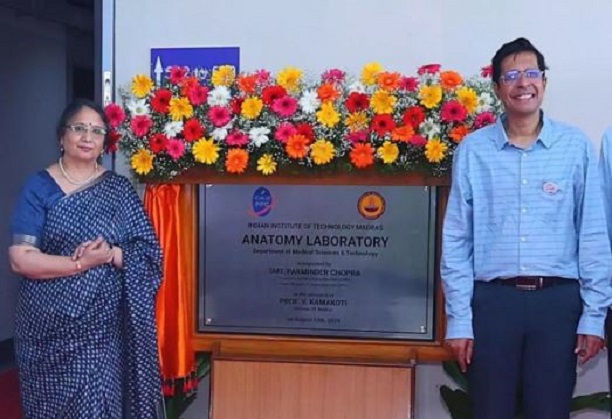
PFC and IIT Madras Inaugurate Cutting-Edge Anatomy Lab
Power Finance Corporation (PFC) and IIT Madras have inaugurated a cutting-edge Anatomy Lab, funded with ₹16.5 crore under CSR. This dry lab, aligned with medical college standards, will enhance learning for BS Medical Sciences students and promote innovation in medical technology.

PowerGrid Scholarships: Enabling Talent, Advancing Equity
Expanding access to quality technical education for deserving students across India The Challenge For many meritorious students from economically weaker families, the cost of higher education remains a significant barrier. Tuition fees and academic expenses can place considerable pressure on families, often limiting students’ ability to focus fully on their studies, research, skill development and career aspirations. The challenge is particularly significant for students from lower-income, OBC and EWS backgrounds, as well as women aspiring to pursue education and careers in STEM. Ensuring that financial circumstances do not determine educational opportunity is therefore critical to building a more inclusive and equitable talent ecosystem. Vision To build a nationwide scholarship ecosystem where deserving students can pursue premier technical education irrespective of their financial background—and where talent, ambition and academic merit determine opportunity. Through this partnership, PowerGrid and IIT Madras are not only funding education, but also empowering the next generation of engineers, researchers, innovators and changemakers. The Initiative Through its CSR partnership with IIT Madras, Power Grid Corporation of India Limited has established two major endowed scholarship initiatives: The PowerGrid Vidyalakshmi Pan-IIT Endowed Scholarship supports deserving B.Tech students from lower-income families across 23 IITs, with IIT Madras serving as the nodal institution. The programme gives preference to women students and seeks equitable representation across both established and newer IITs. The PowerGrid Merit-cum-Means Endowed Scholarship at IIT Madras supports meritorious students from lower-income families, including students from OBC and EWS backgrounds. The programme is designed to strengthen women’s participation in STEM and uses the income generated from the endowment to provide annual scholarships. Together, these initiatives provide sustained financial assistance while creating a long-term and renewable model of educational support. A Sustainable Model of Support PowerGrid contributed ₹17.97 crore towards the Vidyalakshmi Pan-IIT initiative, resulting in the creation of an endowment of ₹16.85 crore . By FY 2024–25, the programme had reimbursed ₹3.36 crore in cumulative tuition fees . Under the Pan-IIT scholarship, 168 students were supported each year in FY 2022–23, FY 2023–24 and FY 2024–25, with each student receiving ₹66,667 towards tuition fees. The IIT Madras-specific MCM scholarship was established through a ₹10 crore endowment . It has provided ₹50 lakh in annual financial support, benefiting 35 students in 2021–22, 31 in 2022–23, 35 in 2023–24 and 40 in 2024–25. Impact at a Glance 23 IITs covered under the Vidyalakshmi Pan-IIT Scholarship 168 students supported annually for three consecutive years 504 annual scholarship awards delivered from FY 2022–23 to FY 2024–25 82 women and 86 men supported in FY 2024–25 130 continuing scholars and 38 first-time recipients in FY 2024–25 40 IIT Madras students supported through the MCM scholarship in FY 2024–25 Beyond tuition assistance, students report that the scholarships have enabled them to access learning resources, pursue internships and research, participate in extracurricular activities and focus on their academic and professional growth without constant financial pressure. Many beneficiaries aspire to build careers in AI, healthcare, aerospace, semiconductors, robotics, software development and entrepreneurship, while also expressing a desire to support future students. The Way Forward The initiative is now progressing towards a broader national footprint. The next phase envisages support for 295 students across 23 IITs, 31 NITs, select engineering colleges and other government-funded institutions.

R2D2 – TTK Center for Rehabilitation Research and Device Development
R2D2, led by Prof. Sujatha Srinivasan, focuses on human movement research and developing assistive devices. The center was launched at the IIT Madras Research Park to support innovation in rehabilitation technology.
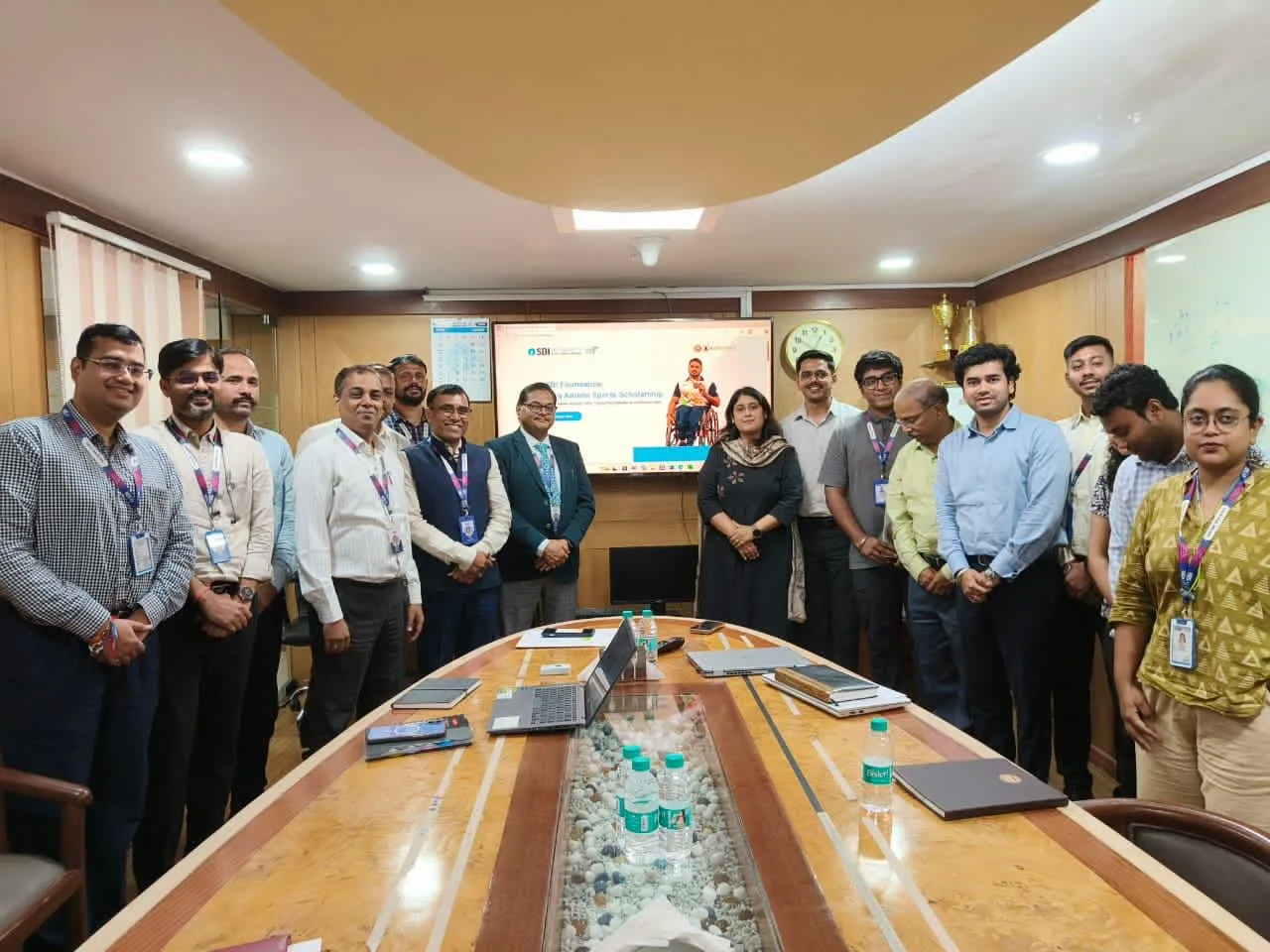
SBIF Para Athlete Sports Scholarship Programme
Empowering India's Para-Athletes to Achieve Sporting Excellence A partnership between IIT Madras and SBI Foundation The Challenge Para-athletes in India continue to overcome significant barriers in pursuing competitive sports. While talent and determination are abundant, many athletes face limited access to sustained financial support, high-performance coaching, sports science, and specialised training infrastructure. These challenges often restrict their ability to compete consistently at national and international levels and realise their full sporting potential. The Initiative To address these challenges, IIT Madras and SBI Foundation have launched the SBIF Para Athlete Sports Scholarship Programme (SBIF PASS) a pioneering initiative designed to empower 100 para-athletes across India. The programme provides each selected athlete with a monthly scholarship of ₹40,000 , complemented by scientific training and performance support, enabling athletes to focus on achieving excellence on the national and international stage. Building a High-Performance Ecosystem The programme extends beyond financial assistance by integrating sports science, performance analytics, and expert mentorship into athlete development. Technical support is provided by Acrophase , IIT Madras' Centre of Excellence for Human Performance, ensuring that athletes have access to evidence-based training, performance monitoring, and scientific expertise that enhance preparation for elite competitions. Creating Lasting Impact The SBIF PASS programme seeks to create a robust ecosystem of inclusion and excellence in Indian sport. By reducing financial barriers and providing world-class scientific support, the initiative aims to strengthen India's pipeline of para-athletes for the Paralympics and other international competitions. More importantly, it recognises the abilities and aspirations of differently abled athletes, promoting equal opportunities and reinforcing the values of diversity, inclusion, and sporting excellence. A Partnership for Inclusive Excellence The collaboration between IIT Madras and SBI Foundation reflects a shared commitment to advancing inclusive growth through sport. By combining philanthropic support with research-driven human performance expertise, the programme equips para-athletes with the resources, confidence, and scientific training needed to compete at the highest level. It is an investment not only in sporting achievement but also in creating a more inclusive future where talent is nurtured irrespective of physical ability. At a Glance The SBIF Para Athlete Sports Scholarship Programme supports 100 para-athletes from across India through a monthly scholarship of ₹40,000 , alongside scientific training and performance support delivered by Acrophase , IIT Madras' Centre of Excellence for Human Performance. By integrating financial assistance with sports science and mentorship, the initiative is building a sustainable pathway for para-athletes to excel at the national and international levels while fostering a more inclusive sporting ecosystem.
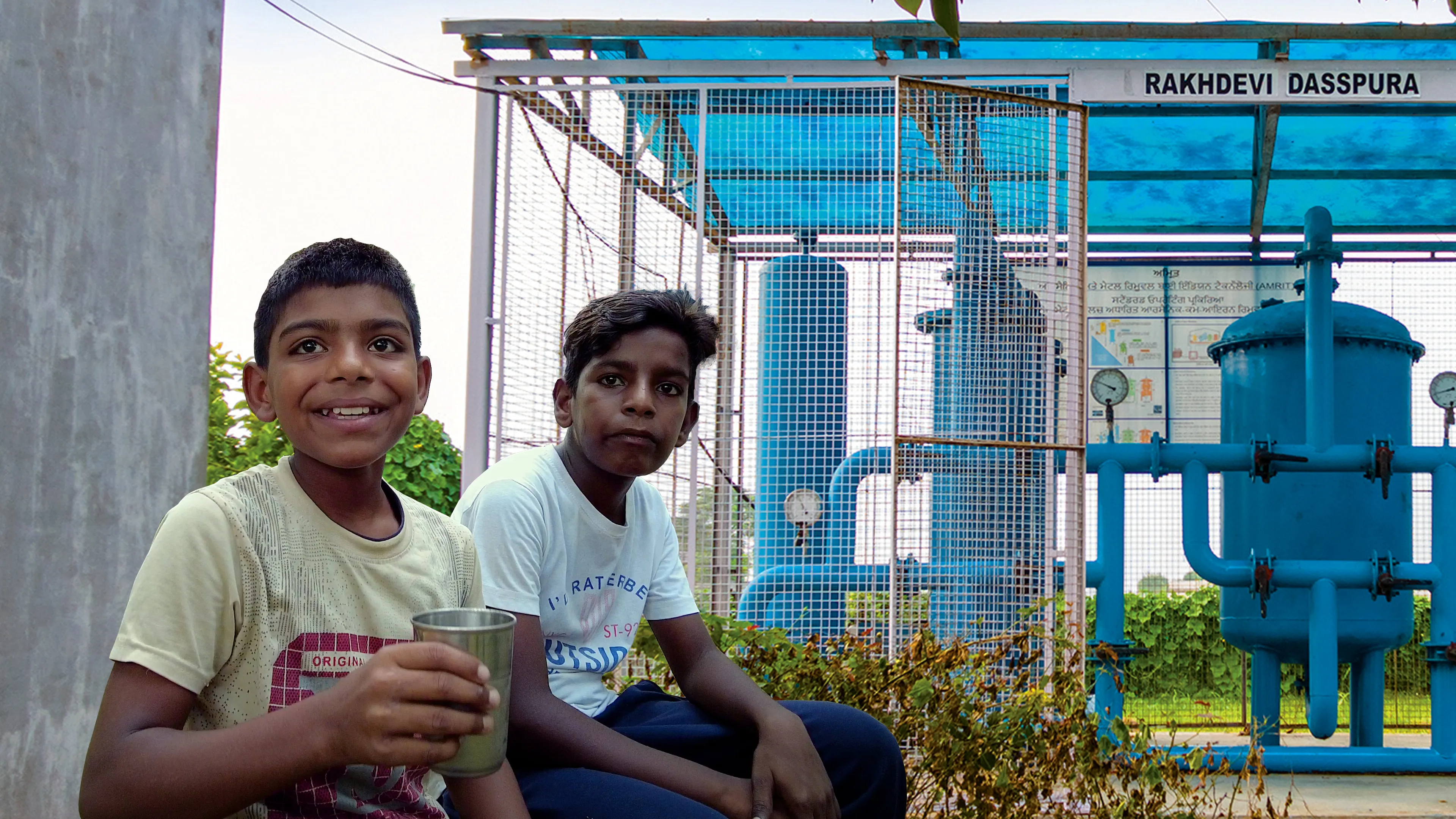
Smart Drinking Water for Uranium-Affected Villages
Ensuring Safe, Sustainable and Technology-Driven Access to Clean Drinking Water A collaborative initiative to build water-secure communities through indigenous innovation The Challenge Access to safe drinking water remains a pressing public health challenge across many regions of India. Over 10% of habitations are affected by poor water quality, with groundwater contamination by uranium posing a serious risk in states such as Punjab, Rajasthan, Haryana, and Gujarat. Long-term exposure to uranium-contaminated water can lead to severe health complications, particularly kidney damage, making reliable access to clean drinking water an urgent priority. Vision This initiative aims to create water-smart villages where every household has access to safe drinking water through sustainable, technology-enabled infrastructure. By combining indigenous innovation, digital monitoring, and community participation, the project seeks to establish a scalable model that can be replicated across water-stressed regions of India, improving public health while strengthening climate resilience and sustainable rural development. The Initiative To address this challenge, IIT Madras is implementing Smart Drinking Water Treatment Plants in uranium-affected villages using AMRIT (Anion & Metal Removal by Indian Technology) —an indigenous technology developed and incubated at IIT Madras for the efficient removal of uranium and other harmful contaminants from drinking water. The initiative combines advanced water purification with IoT-enabled monitoring, digital dashboards, and community engagement to create a sustainable model for safe rural water supply. Technology for Sustainable Water Security The project goes beyond installing treatment systems. Each plant is integrated with smart IoT technology that enables real-time monitoring of water quality, plant performance, and water distribution. Mobile applications and online dashboards provide transparency in system operation and usage, while baseline surveys and community awareness programmes ensure that local communities adopt safe water practices and actively participate in sustaining the initiative. Beneficiaries The project is designed to create long-term impact for multiple stakeholders: Residents of uranium-affected villages , who will gain access to safe, reliable drinking water. Children and vulnerable populations , whose health risks from contaminated groundwater will be significantly reduced. Local government agencies , through technology-enabled monitoring and evidence-based water management. Village communities , through awareness programmes that promote safe water use and long-term water security. Researchers and policymakers , by creating a scalable model for technology-driven rural water infrastructure. Project Progress The project has completed key preparatory activities, including water quality assessments, site identification, technical surveys, stakeholder consultations with government agencies, and planning for installation. Agreements with implementing partners are underway, after which construction of the treatment plants, baseline surveys, and community engagement activities will commence.
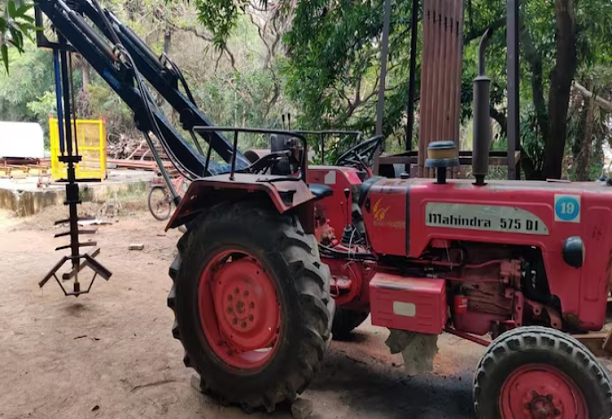
SOLINAS – Ending Manual Scavenging with HomoSEP
Solinas Integrity's flagship product HomoSEP was developed with the mission to end manual scavenging in India. It helps civic bodies and the government by homogenizing sludge of septic tanks and providing safe storage and transportation.

Sutherland Scholarship Programme
Empowering Learners Through Accessible Digital Education A need-based scholarship initiative enabling talented students from economically disadvantaged backgrounds to pursue the IIT Madras BS Degree Programme. The Challenge While the IIT Madras BS Degree Programme has made quality higher education accessible to learners across India, financial constraints continue to prevent many deserving students from pursuing or completing their education. For students from low-income households, course registration fees often become a significant obstacle, limiting their ability to build future-ready skills and access opportunities in emerging fields. Vision The Sutherland Scholarship Programme envisions a future where financial limitations never prevent talented learners from accessing quality education. By investing in deserving students, the initiative is nurturing future professionals, innovators, and leaders who will contribute to India's growing knowledge economy. The Initiative Through its CSR support, Sutherland has partnered with IIT Madras to provide scholarships for students enrolled in the BS Degree Programme. The scholarship is offered to Indian students from families with an annual income below ₹5 lakh , enabling them to pursue Foundation-level courses without financial hardship. By reducing the cost of education, the initiative empowers students to focus on academic excellence while creating equitable access to one of India's premier educational programmes. Impact Since its launch, the programme has supported 148 students , including 92 women and 56 men , across India. With an investment of ₹50 lakh , the initiative has enabled students to complete 1,184 courses , with over ₹47.36 lakh already utilised towards scholarships. Beneficiaries represent diverse states across the country, demonstrating the national reach of the IIT Madras BS programme. The scholarship has also supported strong academic performance, with the majority of students maintaining CGPAs above 7.0. Beneficiaries The programme primarily supports students from economically weaker and lower-middle-income families, including children of grocery store owners, small business owners, army personnel, homemakers, and daily wage earners. For many recipients, the scholarship has reduced financial stress, enabled uninterrupted learning, and allowed them to concentrate on their studies rather than educational expenses. Several beneficiaries also shared that the support helped them continue their education while easing the financial burden on their families. Herbalife Scholarship Programme Supporting Dreams Through Inclusive Higher Education A scholarship initiative helping financially disadvantaged students pursue the IIT Madras BS Degree Programme with confidence and continuity. The Challenge Across India, thousands of capable students aspire to earn an IIT degree while balancing financial responsibilities at home. Many come from farming families, daily-wage households, small businesses, or single-income families where the cost of higher education can delay or even prevent academic progress. Ensuring that these learners receive financial support is essential to making quality education truly inclusive. Vision The Herbalife Scholarship Programme seeks to create an inclusive learning environment where every deserving student has the opportunity to pursue quality higher education, regardless of economic background. By investing in education today, the initiative is helping develop skilled professionals, responsible citizens, and future leaders who will create positive impact in their communities. The Initiative Through its CSR partnership with IIT Madras, Herbalife provides scholarships to students enrolled in the BS Degree Programme who come from economically disadvantaged backgrounds. The scholarship enables students to pay course registration fees, continue their studies without interruption, and focus on building skills that will improve their future employment prospects. Beneficiaries come from diverse regions of India, reflecting the programme's commitment to expanding educational opportunities nationwide. Impact The scholarship has transformed the educational journeys of students from across the country by removing one of their greatest barriers—financial uncertainty. Testimonials consistently highlight that the support has enabled students to continue their studies, reduce dependence on loans, avoid dropping academic terms, and remain committed to completing their IIT Madras education. Beyond financial assistance, the scholarship has strengthened students' confidence, motivation, and belief in their future. Beneficiaries The programme supports students from families earning less than ₹1 lakh annually, children of farmers, drivers, electricians, security guards, shopkeepers, and homemakers, as well as students who have lost a parent or belong to economically weaker sections. For many recipients, the scholarship has made the difference between continuing their education and discontinuing it due to financial constraints. Students repeatedly express gratitude for the opportunity to pursue an IIT Madras degree without placing additional financial pressure on their families.
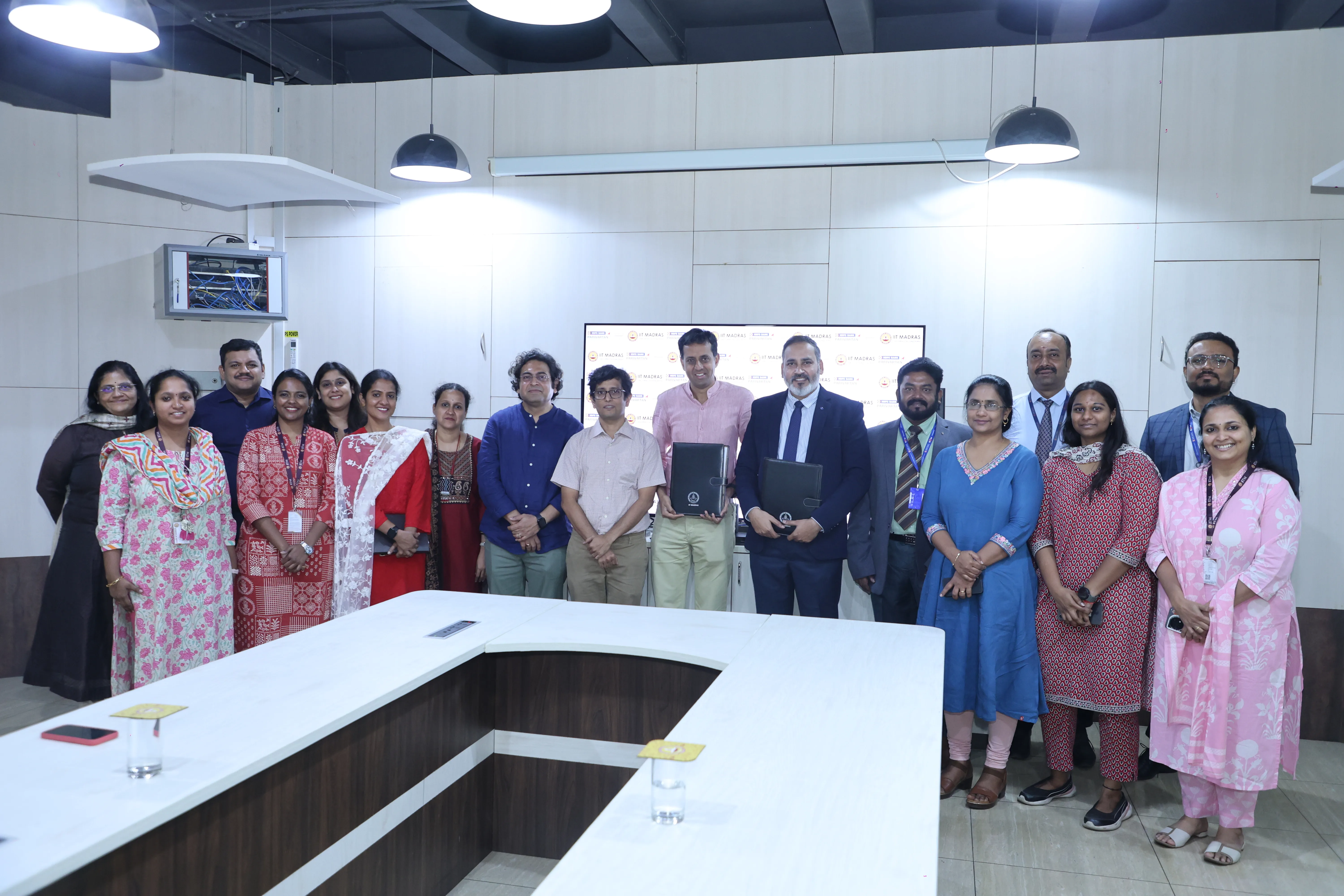
Technology Development for Commercialization Accelerator (TDCA)
The Technology Development for Commercialization Accelerator (TDCA) is an initiative that supports deep-tech startups in bridging the critical gap between laboratory innovation and market adoption. Through financial assistance, technical mentoring, and commercialization support, TDCA enables innovators to transform promising research into scalable products and solutions that address real-world industrial, environmental, and societal challenges. The programme nurtures startups developing breakthrough technologies in areas such as clean energy, water conservation, sustainable manufacturing, circular economy, advanced materials, industrial automation, waste recycling, and climate-resilient infrastructure . Beyond funding, TDCA emphasizes technology validation, pilot deployments, customer engagement, intellectual property creation, and market readiness, helping startups progress from prototype to commercial deployment. Vision TDCA aims to build a thriving innovation ecosystem where deep-tech research translates into commercially viable products that address India's most pressing challenges. By supporting startups through every stage of technology maturation—from prototype validation to market deployment—the programme seeks to foster sustainable enterprises, strengthen industry-academia collaboration, create high-impact jobs, and accelerate the adoption of technologies that contribute to a greener, more resilient, and innovation-driven economy. Project Highlights During the current phase, startups supported under TDCA have achieved significant milestones, including: Development of commercial-grade products and filing of intellectual property. Successful pilot deployments with leading industrial partners. Validation of technologies in real-world operating environments. Establishment of manufacturing capabilities and production infrastructure. Creation of industry partnerships, customer pipelines, and commercialization roadmaps. Advancement of solutions that reduce carbon emissions, conserve water, recycle waste, and improve industrial efficiency. The portfolio includes innovations such as AI-enabled manufacturing solutions, industrial energy systems, cooling tower water recovery technologies, low-carbon construction materials, ceramic engineering products, multilayer plastic waste recycling, industrial sensing technologies, and advanced environmental engineering solutions. Collectively, these projects demonstrate how research-driven entrepreneurship can generate measurable economic, environmental, and social impact. Beneficiaries The TDCA programme benefits a diverse ecosystem of stakeholders: Early-stage technology startups , by accelerating product development, commercialization, and market access. Industries and MSMEs , through access to innovative, cost-effective technologies that improve productivity and sustainability. Researchers and innovators , by enabling translation of scientific research into deployable solutions. Communities and the environment , through technologies focused on waste reduction, water conservation, carbon emission reduction, clean manufacturing, and resource efficiency. Investors and ecosystem partners , by creating investment-ready startups with validated technologies and scalable business models.

Technology-Based Interventions to Improve Road Safety in Bengaluru
Leveraging AI, Smart Infrastructure, and Data Analytics to Build Safer Urban Roads A collaborative initiative between Mercedes-Benz Research and Development India (MBRDI) and IIT Madras to deploy intelligent traffic technologies that enhance road safety, improve compliance, and create data-driven solutions for safer mobility. The Challenge Rapid urbanisation and increasing traffic volumes have made Bengaluru's arterial roads vulnerable to speeding, lane indiscipline, unsafe pedestrian crossings, and signal violations. Traditional enforcement methods often struggle to provide continuous monitoring or generate actionable data, highlighting the need for technology-enabled interventions that improve road safety while supporting evidence-based traffic management. Vision The initiative envisions creating a scalable model for smart road safety that combines engineering, artificial intelligence, and urban planning to reduce accidents and improve mobility in Indian cities. By generating real-world evidence on the effectiveness of technology-enabled interventions, IIT Madras aims to develop replicable frameworks that can support safer, smarter, and more sustainable transportation systems across the country. The Initiative IIT Madras, in partnership with Mercedes-Benz Research and Development India (MBRDI), is implementing a comprehensive road safety programme across Bengaluru's Old Madras Road (OMR) and Airport Road corridors. The project combines AI-enabled surveillance cameras, edge computing devices, intelligent pedestrian signals, Variable Message Sign (VMS) boards, and scientifically designed road markings to improve traffic discipline, protect pedestrians, and support safer road infrastructure. The interventions have been continuously refined through field assessments and close coordination with BBMP, NHAI, and traffic police authorities to ensure they address evolving on-ground conditions. Technology Driving Safer Mobility The project integrates intelligent surveillance with infrastructure improvements to address multiple road safety challenges. AI-powered camera systems monitor speeding, lane violations, signal jumping, parking violations, and pedestrian movement, while redesigned junctions, lane segregation, pedestrian crossings, Pelican signals, and VMS boards improve driver behaviour and pedestrian safety. Rather than relying solely on enforcement, the initiative creates a data-driven ecosystem that enables continuous monitoring, evidence-based decision-making, and scalable deployment across urban road networks. Implementation Progress Phase I has successfully deployed surveillance infrastructure across key locations on both OMR and Airport Road, with cameras, edge devices, and supporting equipment installed at major junctions and high-risk stretches. Road marking designs, vendor finalisation, and implementation planning have also been completed, with Phase II focusing on Pelican pedestrian signals, VMS boards, lane markings, and additional intelligent traffic infrastructure. Once installations are complete, the project will undertake before-and-after data collection and analysis to quantitatively measure improvements in traffic compliance and road safety outcomes. Key Highlights Smart road safety interventions implemented across Old Madras Road (OMR) and Airport Road corridors in Bengaluru. AI-enabled surveillance systems deployed for speed, lane, signal, parking, and pedestrian violation monitoring . Intelligent infrastructure includes Pelican pedestrian signals, Variable Message Sign (VMS) boards, edge computing devices, and scientifically designed road markings . Collaboration with BBMP, NHAI, and Bengaluru Traffic Police to ensure practical and sustainable implementation. Data-driven before-and-after impact assessment planned to evaluate improvements in traffic behaviour and road safety.
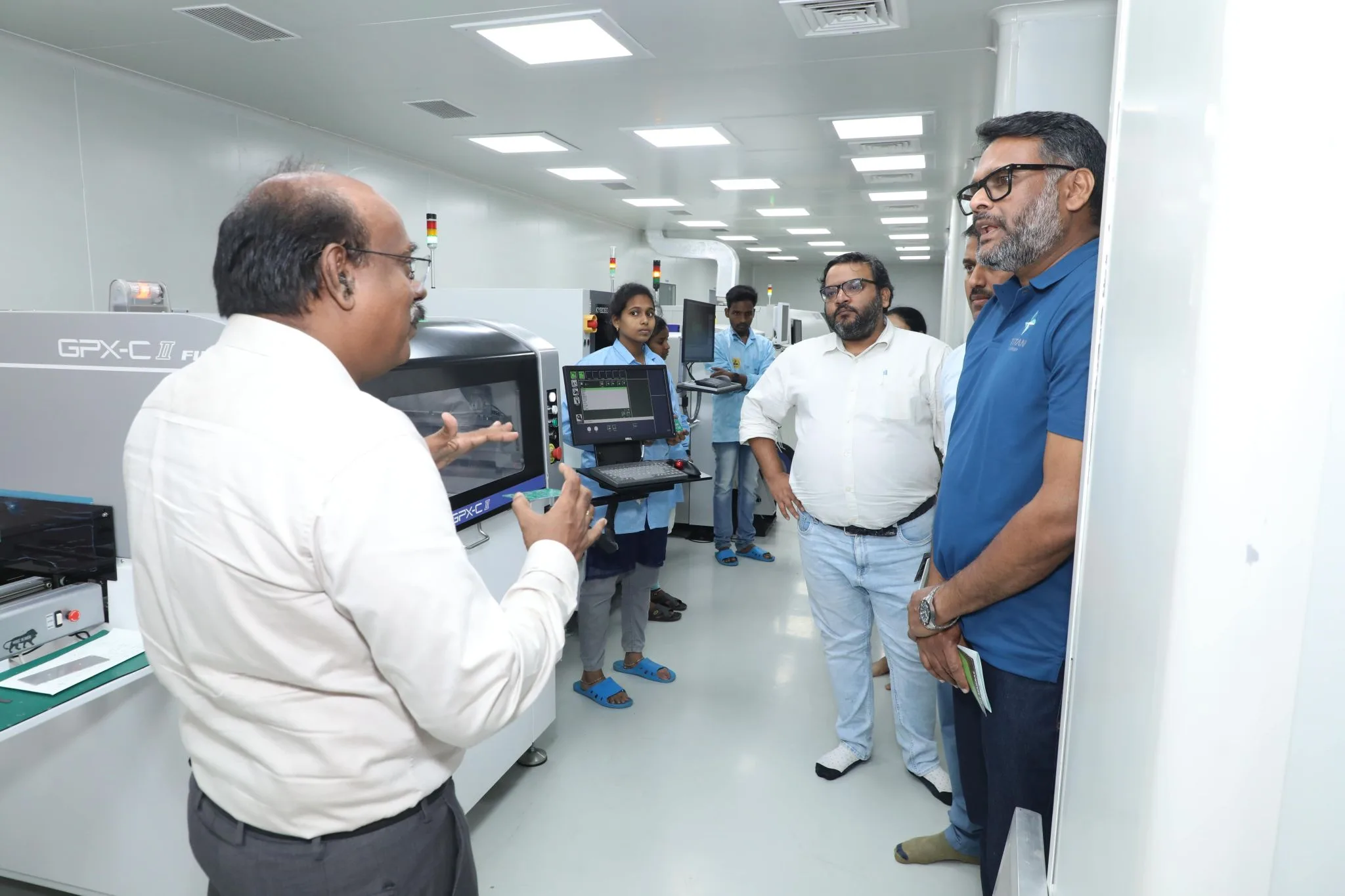
Titan Centre for Innovation in Digital Health
Advancing Affordable Healthcare through AI, Medical Imaging and Digital Innovation A CSR partnership between Titan Company Limited and IIT Madras to develop next-generation digital healthcare technologies that improve diagnosis, accessibility, and patient outcomes. The Challenge Healthcare systems today face growing demands for early disease detection, affordable diagnostics, and equitable access to quality care. While advances in artificial intelligence, medical imaging, and digital technologies have transformed healthcare globally, many innovative solutions remain inaccessible due to high costs and limited infrastructure. Bridging the gap between cutting-edge research and real-world clinical adoption is essential to delivering scalable healthcare solutions that reach every section of society. Vision The Titan Centre for Innovation in Digital Health envisions a future where advanced healthcare technologies are accessible, affordable, and impactful for all. By combining IIT Madras' research excellence with Titan's commitment to social impact, the Centre seeks to create indigenous digital health solutions that transform clinical practice, empower healthcare professionals, and improve the quality of life for millions. The Initiative Through its Corporate Social Responsibility (CSR) initiative, Titan Company Limited has partnered with IIT Madras to establish the Titan Centre for Innovation in Digital Health . The Centre brings together researchers, clinicians, engineers, and industry experts to develop affordable, technology-driven healthcare solutions that combine artificial intelligence, medical imaging, data science, and biomedical engineering. The Centre supports interdisciplinary research, technology development, translational innovation, and capacity building to create solutions that can move seamlessly from laboratory research to clinical practice, ultimately improving healthcare delivery across India. Driving Innovation in Digital Healthcare The Centre focuses on developing technologies that make healthcare more accessible, accurate, and affordable through innovations such as: AI-assisted disease detection and diagnosis Advanced medical imaging and image analytics Digital health platforms and clinical decision support systems Biomedical data analytics and predictive healthcare Translational research that enables deployment in hospitals and healthcare systems By integrating engineering excellence with medical expertise, the Centre accelerates the development of practical healthcare technologies capable of addressing India's evolving healthcare needs. Beneficiaries The initiative creates long-term value across the healthcare ecosystem by benefiting: Patients , through earlier diagnosis, improved treatment pathways, and affordable healthcare technologies. Doctors and healthcare professionals , by providing AI-enabled clinical decision support tools. Researchers, faculty, and students , through interdisciplinary research opportunities and advanced healthcare innovation. Hospitals and healthcare institutions , through scalable digital health solutions that improve efficiency and patient care. Society at large , by strengthening India's capabilities in indigenous medical technology development and digital healthcare innovation. Expected Impact The Titan Centre aims to accelerate the translation of research into impactful healthcare solutions that improve patient outcomes while reducing the cost of diagnosis and treatment. By fostering collaboration between engineering, medicine, and industry, the Centre will contribute to building a robust ecosystem for digital health innovation, enabling India to develop scalable technologies that address both national and global healthcare challenges.
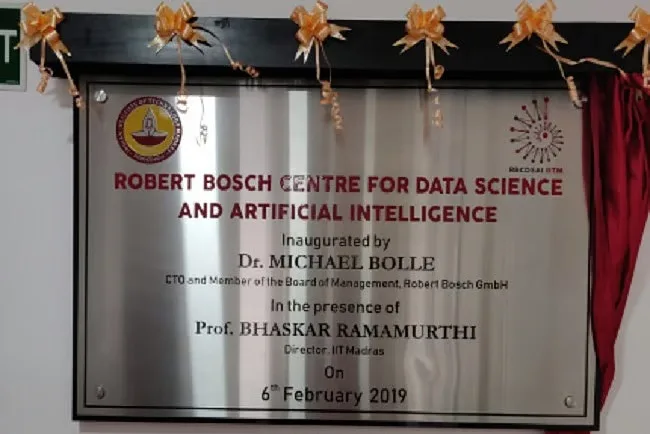
Titan Centre for Innovation in Digital Health
Advancing Affordable Healthcare through AI, Medical Imaging and Digital Innovation A CSR partnership between Titan Company Limited and IIT Madras to develop next-generation digital healthcare technologies that improve diagnosis, accessibility, and patient outcomes. The Challenge Healthcare systems today face growing demands for early disease detection, affordable diagnostics, and equitable access to quality care. While advances in artificial intelligence, medical imaging, and digital technologies have transformed healthcare globally, many innovative solutions remain inaccessible due to high costs and limited infrastructure. Bridging the gap between cutting-edge research and real-world clinical adoption is essential to delivering scalable healthcare solutions that reach every section of society. Vision The Titan Centre for Innovation in Digital Health envisions a future where advanced healthcare technologies are accessible, affordable, and impactful for all. By combining IIT Madras' research excellence with Titan's commitment to social impact, the Centre seeks to create indigenous digital health solutions that transform clinical practice, empower healthcare professionals, and improve the quality of life for millions. The Initiative Through its Corporate Social Responsibility (CSR) initiative, Titan Company Limited has partnered with IIT Madras to establish the Titan Centre for Innovation in Digital Health . The Centre brings together researchers, clinicians, engineers, and industry experts to develop affordable, technology-driven healthcare solutions that combine artificial intelligence, medical imaging, data science, and biomedical engineering. The Centre supports interdisciplinary research, technology development, translational innovation, and capacity building to create solutions that can move seamlessly from laboratory research to clinical practice, ultimately improving healthcare delivery across India. Driving Innovation in Digital Healthcare The Centre focuses on developing technologies that make healthcare more accessible, accurate, and affordable through innovations such as: AI-assisted disease detection and diagnosis Advanced medical imaging and image analytics Digital health platforms and clinical decision support systems Biomedical data analytics and predictive healthcare Translational research that enables deployment in hospitals and healthcare systems By integrating engineering excellence with medical expertise, the Centre accelerates the development of practical healthcare technologies capable of addressing India's evolving healthcare needs. Beneficiaries The initiative creates long-term value across the healthcare ecosystem by benefiting: Patients , through earlier diagnosis, improved treatment pathways, and affordable healthcare technologies. Doctors and healthcare professionals , by providing AI-enabled clinical decision support tools. Researchers, faculty, and students , through interdisciplinary research opportunities and advanced healthcare innovation. Hospitals and healthcare institutions , through scalable digital health solutions that improve efficiency and patient care. Society at large , by strengthening India's capabilities in indigenous medical technology development and digital healthcare innovation. Expected Impact The Titan Centre aims to accelerate the translation of research into impactful healthcare solutions that improve patient outcomes while reducing the cost of diagnosis and treatment. By fostering collaboration between engineering, medicine, and industry, the Centre will contribute to building a robust ecosystem for digital health innovation, enabling India to develop scalable technologies that address both national and global healthcare challenges.
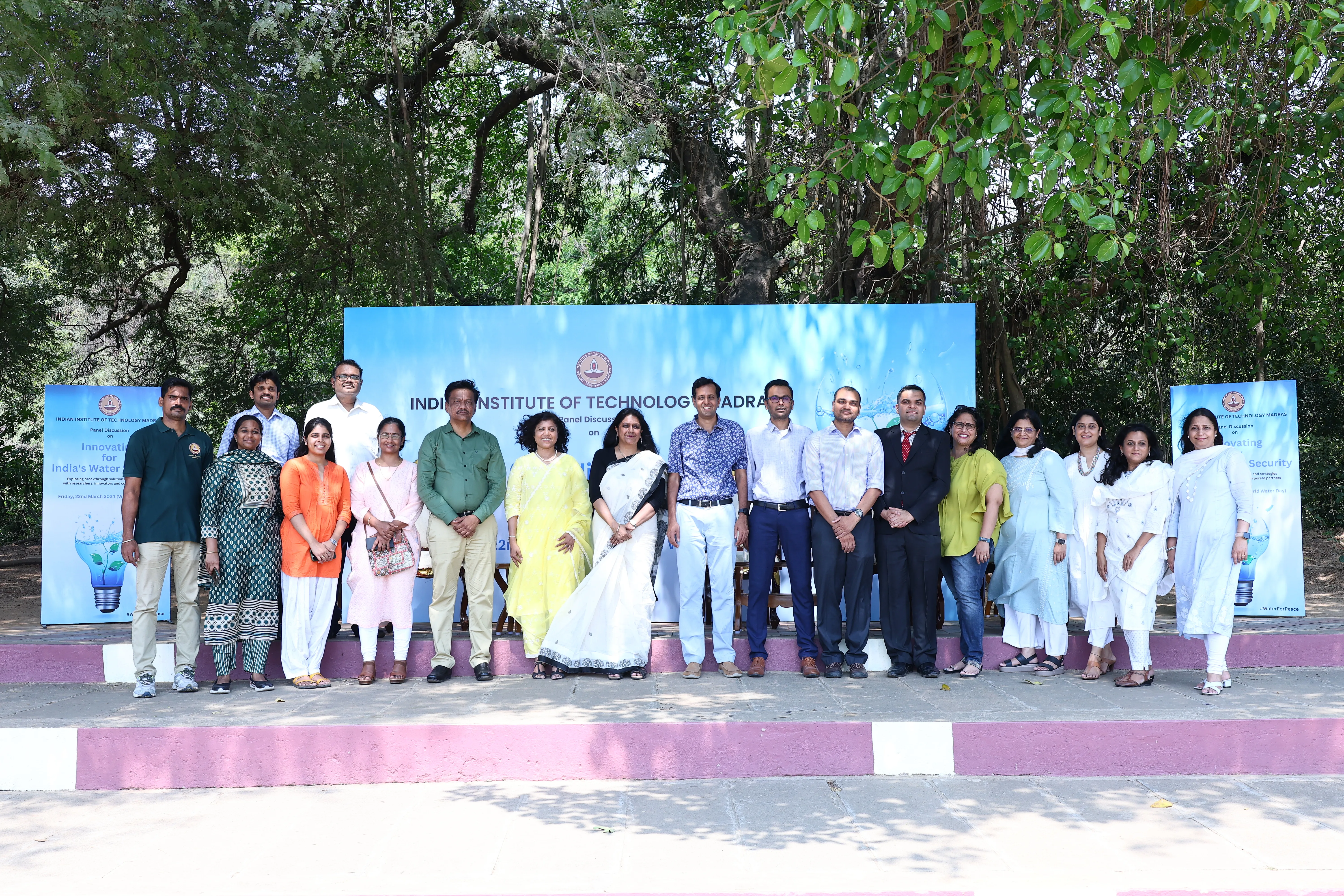
Transforming Rural Livelihoods Through Sustainable Agriculture
Empowering Farming Communities in Virudhunagar with Climate-Resilient Practices and Market Access A holistic initiative to improve farmer incomes, strengthen rural enterprises, and build resilient agricultural ecosystems. The Challenge Agriculture remains the primary source of livelihood for thousands of families in Virudhunagar district, yet farmers continue to face challenges including declining soil health, erratic rainfall, inefficient irrigation practices, fragmented value chains, and limited access to markets. Small and marginal farmers often struggle with low productivity and unstable incomes, making sustainable livelihood development a pressing need. Vision The Virudhunagar Livelihood Improvement Project envisions creating self-reliant, climate-resilient rural communities where scientific innovation, sustainable agriculture, and community-led institutions work together to improve livelihoods. By demonstrating an integrated model of rural transformation, the initiative seeks to establish a scalable framework that can be replicated across other districts, contributing to inclusive growth and long-term agricultural sustainability. The Initiative IIT Madras, in collaboration with district stakeholders, is implementing an integrated rural development programme that combines scientific agriculture, water resource management, capacity building, entrepreneurship development, and digital technologies. The project focuses on creating sustainable livelihood opportunities by improving agricultural productivity, strengthening farmer institutions, promoting value addition, and connecting producers to better markets. Rather than addressing individual challenges in isolation, the initiative builds an ecosystem that enables long-term economic resilience for rural communities. Building Sustainable Rural Ecosystems The project adopts a comprehensive approach that integrates multiple interventions: Promotion of climate-resilient and resource-efficient farming practices. Scientific soil and water management for sustainable agriculture. Capacity building and skill development for farmers and rural entrepreneurs. Strengthening Farmer Producer Organisations (FPOs) and community institutions. Value addition, processing, and improved market linkages to enhance farmer incomes. Technology-enabled monitoring and knowledge dissemination for scalable rural development. Beneficiaries The initiative is designed to create long-term impact across the rural ecosystem by benefiting: Small and marginal farmers through higher productivity, reduced cultivation costs, and improved incomes. Women Self-Help Groups (SHGs) through livelihood diversification and entrepreneurship opportunities. Farmer Producer Organisations (FPOs) through institutional strengthening and better market access. Rural youth through skill development, employment, and enterprise creation. Village communities through improved natural resource management, water conservation, and sustainable agricultural practices. Expected Impact By integrating technology, community participation, and scientific expertise, the project aims to create a resilient rural development model that delivers: Enhanced agricultural productivity and profitability. Sustainable water and natural resource management. Stronger rural institutions capable of driving local development. Increased value addition and market competitiveness for agricultural produce. Improved household incomes and livelihood security for farming communities.
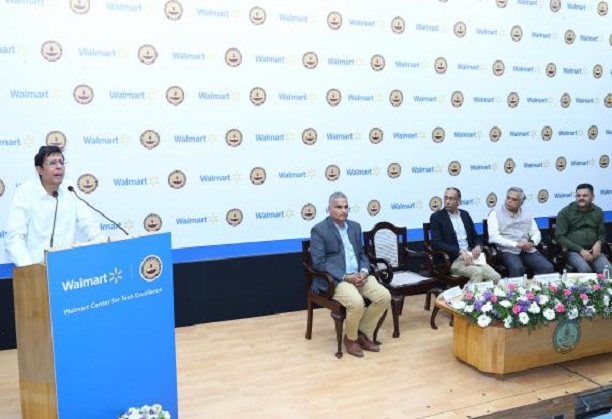
Walmart and IIT Madras Launch Center for Tech Excellence
Walmart Global Tech and IIT Madras have launched the Walmart Center for Tech Excellence to support MSMEs in manufacturing and retail. The center will develop AI-based solutions, create open-source tools, and promote innovation and skill-building.
Walmart Center for Tech Excellence
The Walmart Center for Tech Excellence (WCTE) at IIT Madras is a collaborative initiative established by Walmart Global Tech and IIT Madras to accelerate the digital transformation of India's Micro, Small and Medium Enterprises (MSMEs) . Launched in February 2024, the Centre focuses on enabling manufacturing and retail MSMEs to adopt Artificial Intelligence (AI), data analytics, and digital technologies that improve operational efficiency, productivity, and long-term competitiveness. The Centre aims to democratize access to advanced technologies by developing an open-source, domain-agnostic AI platform that delivers engineering and retail analytics solutions for businesses of varying sizes. Alongside technology development, it is creating a repository of real-world industry use cases and case studies that demonstrate practical AI applications across manufacturing and retail. These resources will serve as the foundation for training and capacity-building programs, helping MSMEs understand and implement AI-driven solutions in their day-to-day operations. Vision The Walmart Center for Tech Excellence seeks to build an inclusive innovation ecosystem where cutting-edge AI research translates into scalable, real-world solutions for Indian industry. Through technology development, industry partnerships, skilling initiatives, and open innovation, the Centre aims to strengthen the competitiveness of MSMEs while contributing to India's digital and economic growth. Project Highlights Since its inception, the Centre has made significant progress in establishing its research and innovation ecosystem. Key milestones include: Formation of the Centre's governance structure and operational framework. Development of an initial AI platform proof-of-concept. Identification and cataloguing of mature AI use cases from the IIT Madras ecosystem. Initiation of industry engagement projects, including AI-based automation solutions for MSMEs. Recruitment of leadership and research personnel, alongside efforts to establish cloud computing infrastructure and industry partnerships. Launch of surveys to assess the digital readiness and technical requirements of manufacturing and retail MSMEs, enabling future solution deployment and targeted interventions. Beneficiaries The primary beneficiaries of the Walmart Center for Tech Excellence are Micro, Small and Medium Enterprises (MSMEs) operating in the manufacturing and retail sectors . By providing accessible AI technologies, practical implementation frameworks, and workforce training, the Centre helps businesses modernize operations, improve decision-making, reduce inefficiencies, and enhance profitability. The initiative also benefits entrepreneurs, researchers, technology developers, and students by fostering collaboration between academia and industry and creating a skilled workforce equipped for the future of AI-enabled manufacturing and retail.
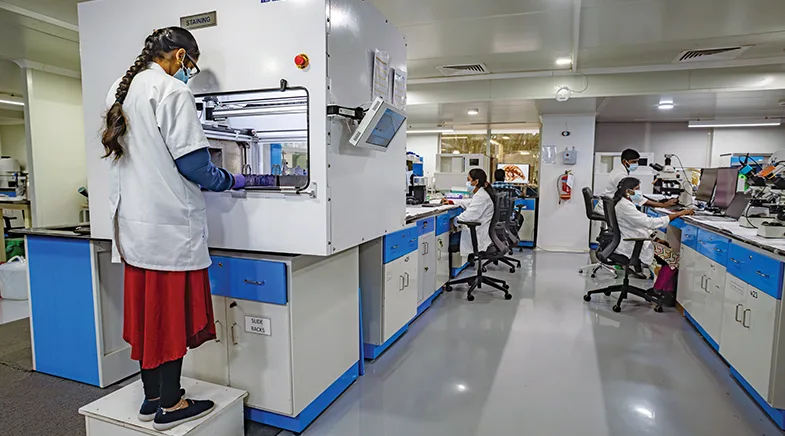
Whole Human Brain Imaging Project
Building India's First Cellular Atlas of the Human Brain Supported by Hindalco | IIT Madras Brain Centre The Opportunity Despite remarkable advances in neuroscience, the human brain remains one of the least understood organs. Most neurological discoveries continue to rely on animal models, limiting our understanding of human brain disorders such as stroke, Alzheimer's disease, Parkinson's disease and developmental disorders. The IIT Madras Brain Centre has developed a first-of-its-kind high-throughput terapixel histology platform capable of imaging entire human brains at cellular resolution , creating unprecedented datasets to advance neuroscience and precision medicine. Our Vision To create India's largest high-resolution digital repository of whole human brains, enabling researchers to understand disease at the cellular level and accelerate breakthroughs in diagnosis, treatment and brain health. The initiative supports the long-term goal of imaging 100+ human brains , positioning India as a global leader in brain mapping research. Technology Pipeline The Brain Centre has established an end-to-end proprietary workflow that transforms donated human brains into interactive digital brain atlases. Post-mortem MRI → Surface Scanning → Cryoprotection & Freezing → 20 μm Cryosectioning → Histological & Immunohistochemical Staining → High-resolution Digital Histology → 3D Reconstruction This pipeline produces terapixel-scale datasets that reveal cellular architecture across the entire brain. Progress Achieved (March 2025) Key Milestones ✔ Completed ~10,000 serial brain sections from a post-mortem ischemic stroke brain ✔ Performed Nissl, H&E, Myelin and Immunohistochemistry (IHC) staining ✔ Generated detailed cellular maps of stroke pathology ✔ Characterised vascular integrity, inflammation, hypoxia, neuronal death and axonal regeneration using advanced molecular markers ✔ Established one of India's most comprehensive multimodal human brain datasets for ischemic stroke research. Research Impact The project enables scientists to: Understand stroke progression at cellular resolution Identify biomarkers for early diagnosis Study blood-brain barrier disruption Investigate inflammatory and immune responses Develop new therapeutic strategies for neurological disorders Build foundational reference datasets for future brain research. Global Collaboration Clinical Partners Christian Medical College (CMC), Vellore Sri Ramachandra Institute of Higher Education & Research Kilpauk Medical College International Research Partners Johns Hopkins University, USA New York University (NYU), USA Driving the Future of Brain Research By combining cutting-edge imaging technology, computational neuroscience and large-scale digital histology, the IIT Madras Brain Centre is creating foundational infrastructure for the next generation of neuroscience research. Supported by Hindalco, this initiative is accelerating discoveries that have the potential to transform the diagnosis and treatment of neurological diseases and establish India as a global hub for brain mapping research. Design recommendation (this would look premium): Header: Hero image of a 3D brain with Whole Human Brain Imaging Project Four statistic cards: 🧠 100+ Human Brains Target 🔬 10,000+ Sections Processed 📷 Cellular Resolution Imaging 🌍 5 National & International Collaborators Middle: A horizontal infographic showing the workflow: Brain Donation → MRI → Cryosectioning → Histology → AI-powered Digital Reconstruction → Disease Discovery Bottom: Three pillars with icons: Technology Innovation Clinical Impact Global Collaboration