

Goal
The Carbon Zero Challenge aims to promote innovation and entrepreneurship focused on climate sustainability. The initiative encourages students, startups, and innovators to develop solutions that reduce carbon emissions, improve resource efficiency, and support environmentally responsible technologies. The broader objective is to create practical solutions that contribute to a transition toward a low-carbon and sustainable future.
Intervention
The project was implemented as a climate innovation challenge organized by IIT Madras with support from Thales DIS CPL India Private Ltd as part of its Corporate Social Responsibility initiative.
The program provided a platform where innovators could propose and develop ideas addressing environmental challenges. Participants worked on solutions across several sustainability areas including clean energy, waste management, sustainable agriculture, resource recovery, pollution reduction, and energy-efficient infrastructure.
The initiative involved mentoring, evaluation sessions, expert interactions, and presentations where teams refined their ideas with guidance from academic and industry experts. These engagements helped participants improve the technical feasibility and environmental impact of their innovations.
The program also created opportunities for innovators to present their solutions, receive feedback, and interact with sustainability experts and stakeholders.

Geography
The initiative was conducted through the Indian Institute of Technology Madras and engaged innovators across the country. The program served as a national platform bringing together students, startups, and researchers working on climate and sustainability solutions.
Value
The project created value by enabling collaboration between academia, industry, and emerging innovators. It supported the development of environmentally responsible technologies and encouraged the application of research and innovation to real-world sustainability challenges.
The initiative also contributed to knowledge sharing through discussions, mentoring sessions, and interactions with experts in climate technology, renewable energy, and sustainable industry practices.
Through these activities, the program strengthened the climate innovation ecosystem and promoted awareness of sustainable solutions.
Result
The initiative led to the development of a diverse set of climate-focused innovations. These solutions addressed issues such as sustainable agriculture, waste conversion, energy-efficient cooling technologies, renewable energy systems, recycling technologies, pollution control, and environmentally responsible construction materials.
Several projects focused on converting agricultural waste into useful products, improving farm management through digital tools, capturing plastic waste in water systems, recycling materials from industrial products, and developing cleaner energy technologies.
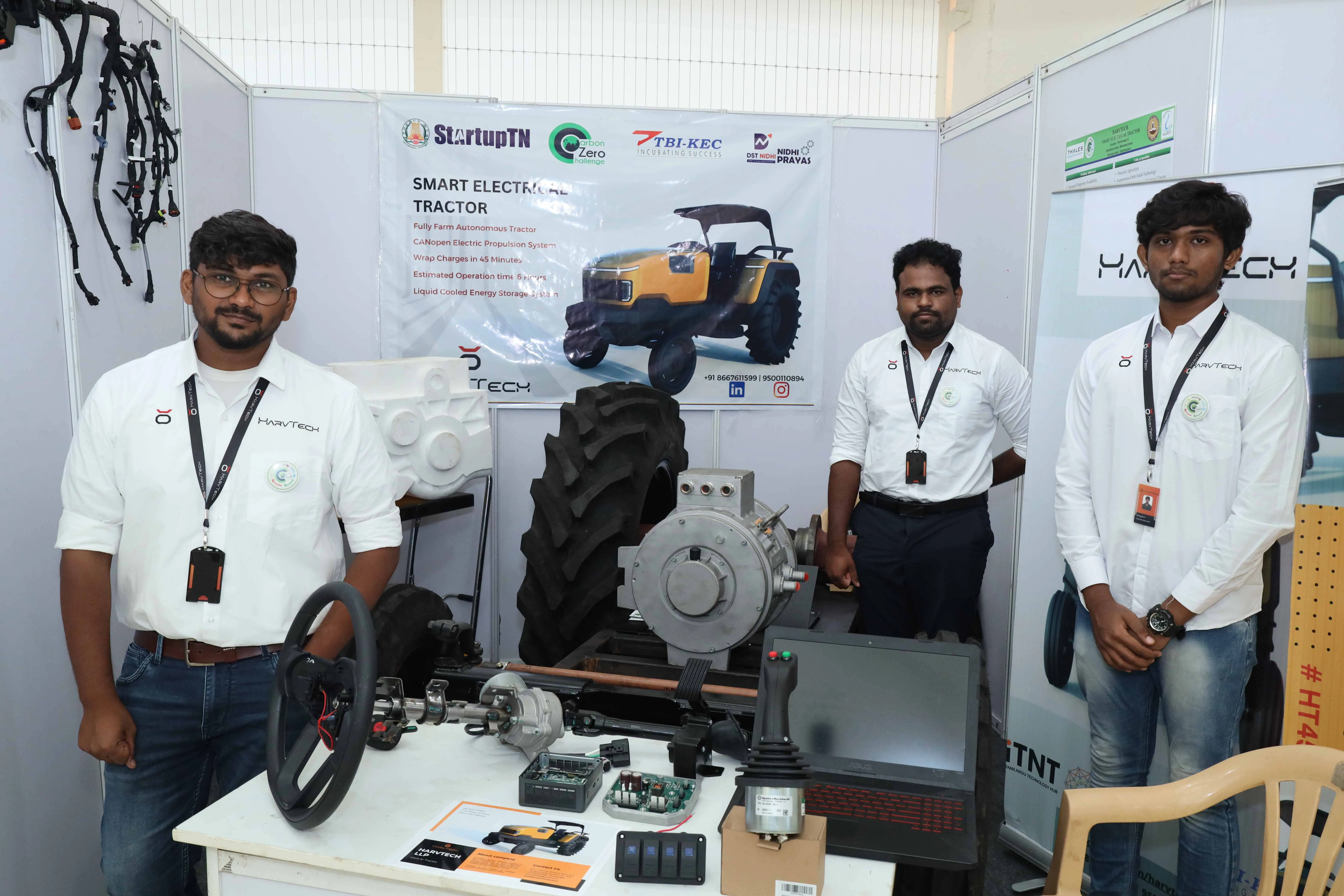
The program concluded with a showcase where participating teams presented their innovations and outcomes, demonstrating the potential of technology and entrepreneurship to support climate action and sustainable development.