
Open Projects in Inclusive Technology
Explore research and CSR opportunities at
IIT Madras in this domain.
Inclusive Technology
13 proposals
Development of a modular and on-demand self-balancing wheelchair
This project focuses on the development of an innovative modular and on-demand self-balancing wheelchair aimed at enhancing user mobility, safety, and independence. By integrating advanced balancing mechanisms and customizable features, the wheelchair is designed to adapt to diverse user needs and environments, improving accessibility and quality of life for individuals with mobility challenges.
By: Prof. Sujatha Srinivasan
Cause: Inclusive Technology

Clinical trials of gait trainer and lower limb exoskeleton for neurological disorder patients
This CSR-ready project evaluates short-term intensive exoskeleton gait training on walking speed, dynamic balance, and lower limb function in patients with stroke, Parkinson's disease, and spinal cord injury. The goal is to refine a low-cost, indigenous gait trainer and exoskeleton that reduces therapist burden and enhances independence in activities of daily living. Corporate partners can expand access to advanced neurorehabilitation for mobility-impaired patients in India.
By: Prof. Sourav Rakshit
Cause: Inclusive Technology
Enhancing IIT Madras' Global Presence in Prosthetics Technologies
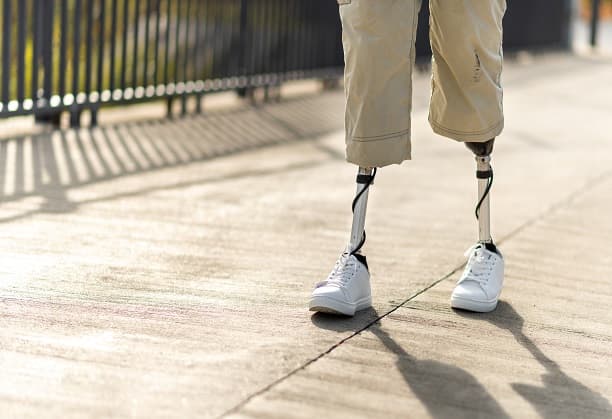
This CSR-ready project scales the efforts of IIT Madras' Asai prosthetics team, working with R2D2 and NCAHT, to design high-agility, user-specific prosthetic solutions. By addressing gaps in affordability, local manufacturing, repair services, and customization, the initiative aims to deliver global-standard assistive devices for low-income users in India and beyond. Corporate partners can transform mobility, dignity, and livelihoods for people with limb loss.
By: Prof. Manish Anand
Cause: Inclusive Technology
Research Center of Excellence for rehabilitation, assistive and adaptive sports technologies
This CSR-ready proposal establishes a state-of-the-art centre that designs rehabilitation, assistive, and adaptive sports technologies to improve function, fitness, and independence for persons with disabilities and older adults. By advancing neuro-rehabilitation and motion analysis research, building affordable devices, and training specialists, the centre will help reduce India's disability-related economic losses while fostering an inclusive innovation ecosystem. Corporate partners can champion meaningful participation and quality of life for millions.
By: Prof. Manish Anand
Cause: Inclusive Technology

Development of indigenous sustainable prosthetic leg components using recycled textile waste composite materials
Every year, large volumes of textile waste end up in landfills, while many people with limb loss continue to face barriers to accessing affordable prosthetic devices. This project addresses both challenges by developing indigenous prosthetic leg components using recycled textile waste composite materials. By combining sustainable materials with innovative engineering, the initiative aims to create durable, cost-effective prosthetic solutions that improve accessibility while promoting circular economy practices and reducing textile waste.
By: Prof. Venkatesh Balasubramanian
Cause: Inclusive Technology
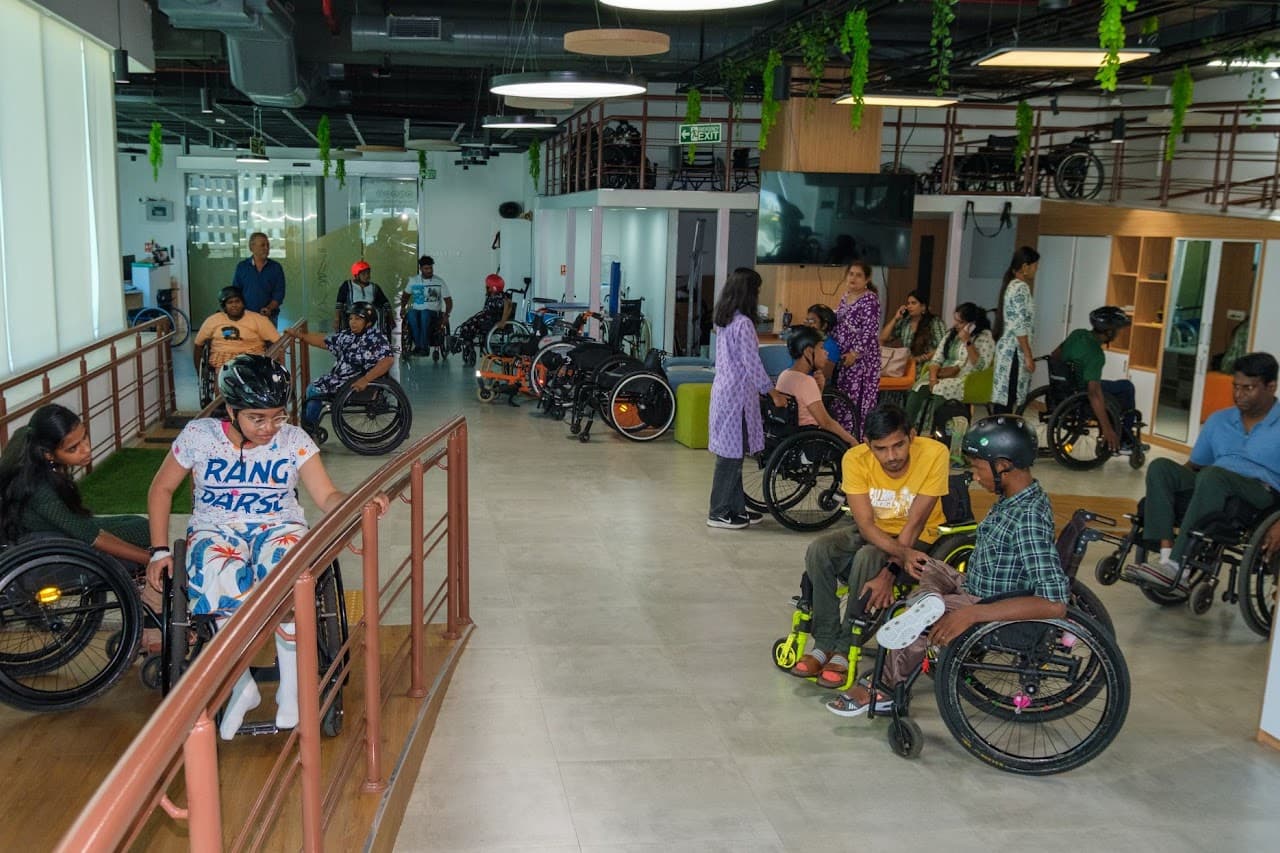
National Center for Assistive Health Technologies (NCAHT)
IIT Madras proposes to give institutional permanence to the National Center for Assistive Health Technologies, serving a country with nearly 300 million people living with disabilities and age-related functional limitations. NCAHT combines simulation zones, peer-led wheelchair skills training, clinician capacity building, startup enablement, adaptive sports and policy immersion under one roof. It has trained 800+ wheelchair users, upskilled 2,500+ clinicians and hosted 50+ policymaker immersion visits across 30+ partner hospitals and centres.
By: Prof. Sujatha Srinivasan & Manish Anand
Cause: Inclusive Technology
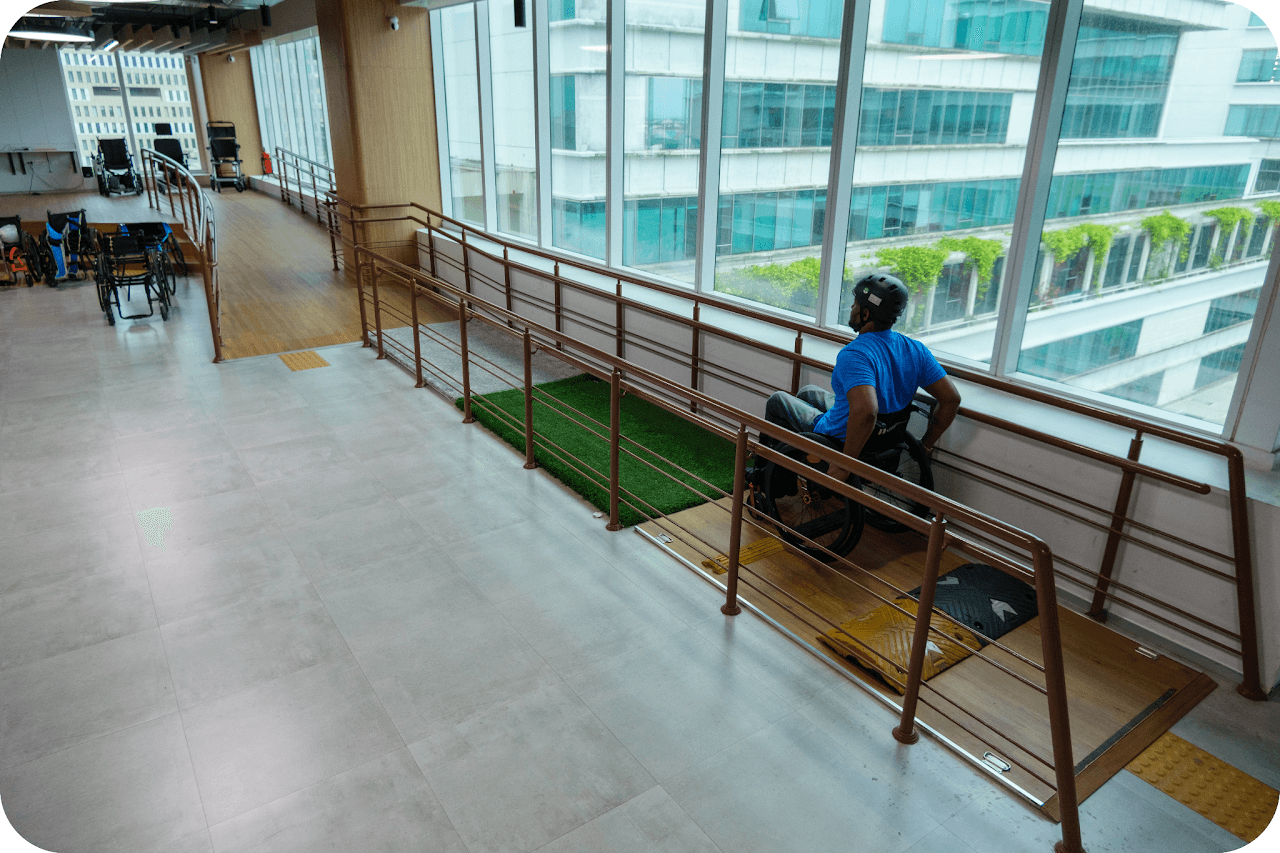
Development of an independently operatable stair-climbing mobility solution for wheelchair users
IIT Madras proposes to design, prototype and validate a stair-climbing mobility platform that wheelchair users and older adults can operate independently, without attendant support. Staircases remain one of the hardest architectural barriers in India, particularly in tier II and tier III housing where lifts are absent, inaccessible or unreliable, and existing solutions are expensive, bulky or attendant-dependent. The modular platform will handle straight and curved stairs, stay compact and portable, and suit homes and public infrastructure.
By: Prof. Manish Anand & Sujatha Srinivasan
Cause: Inclusive Technology
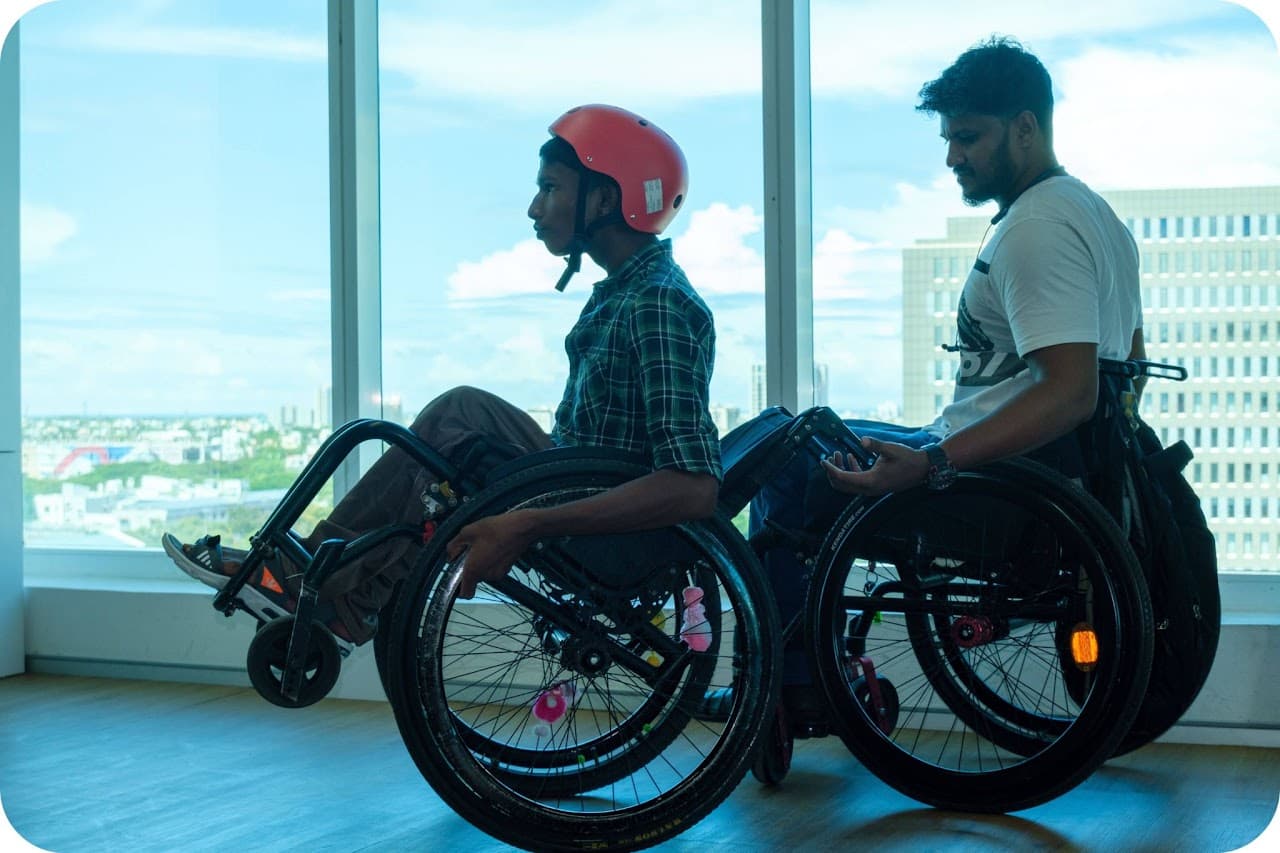
Deployment of PLUTO-H for standardized hand neurorehabilitation across underserved healthcare centres
IIT Madras proposes to deploy 10 PLUTO-H systems across underserved healthcare centres and certify therapists to deliver standardised robotic hand therapy. Stroke is a leading cause of long-term disability in India, yet advanced rehabilitation technology sits mostly in large corporate hospitals, leaving district and government facilities without it. Developed with Christian Medical College Vellore, PLUTO-H has completed over 1,000 user trials, holds CDSCO approval and is ISO 13485 audited, against imports costing upwards of USD 40,000.
By: Prof. Manish Anand & Sujatha Srinivasan
Cause: Inclusive Technology
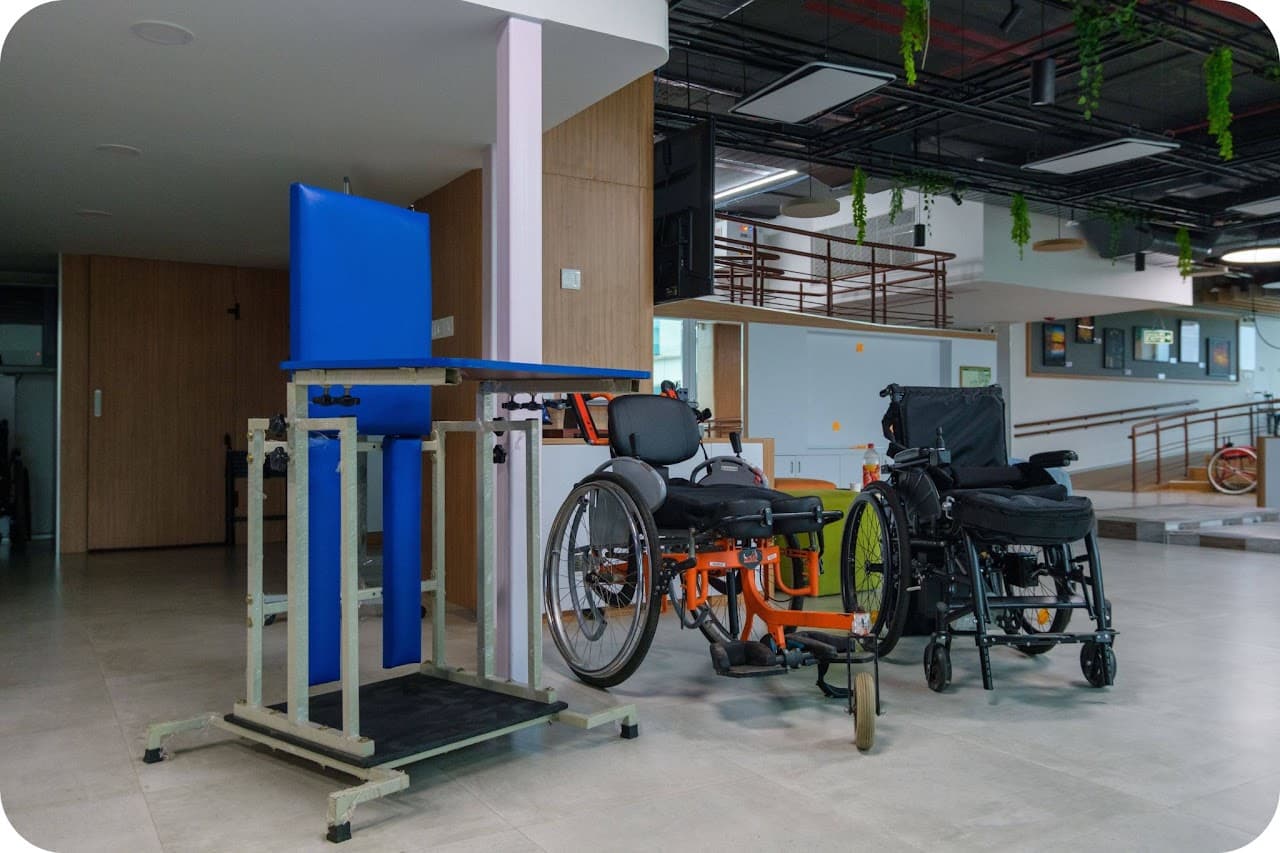
Design & development of a portable, lightweight, adaptable motorized mobility system for diverse user needs and accessible transportation
IIT Madras proposes to design, prototype and validate a lightweight, portable, foldable and adaptable motorised mobility system for wheelchair users, older adults and people with reduced mobility. Existing powered devices are bulky, hard to transport, unsuited to constrained indoor spaces and inflexible on seating, so users end up needing several devices. Aircraft aisle chairs are a particular gap, being restrictive and attendant-dependent, and the modular platform is designed to serve that role alongside home, hospital and community use.
By: Prof. Manish Anand & Sujatha Srinivasan
Cause: Inclusive Technology
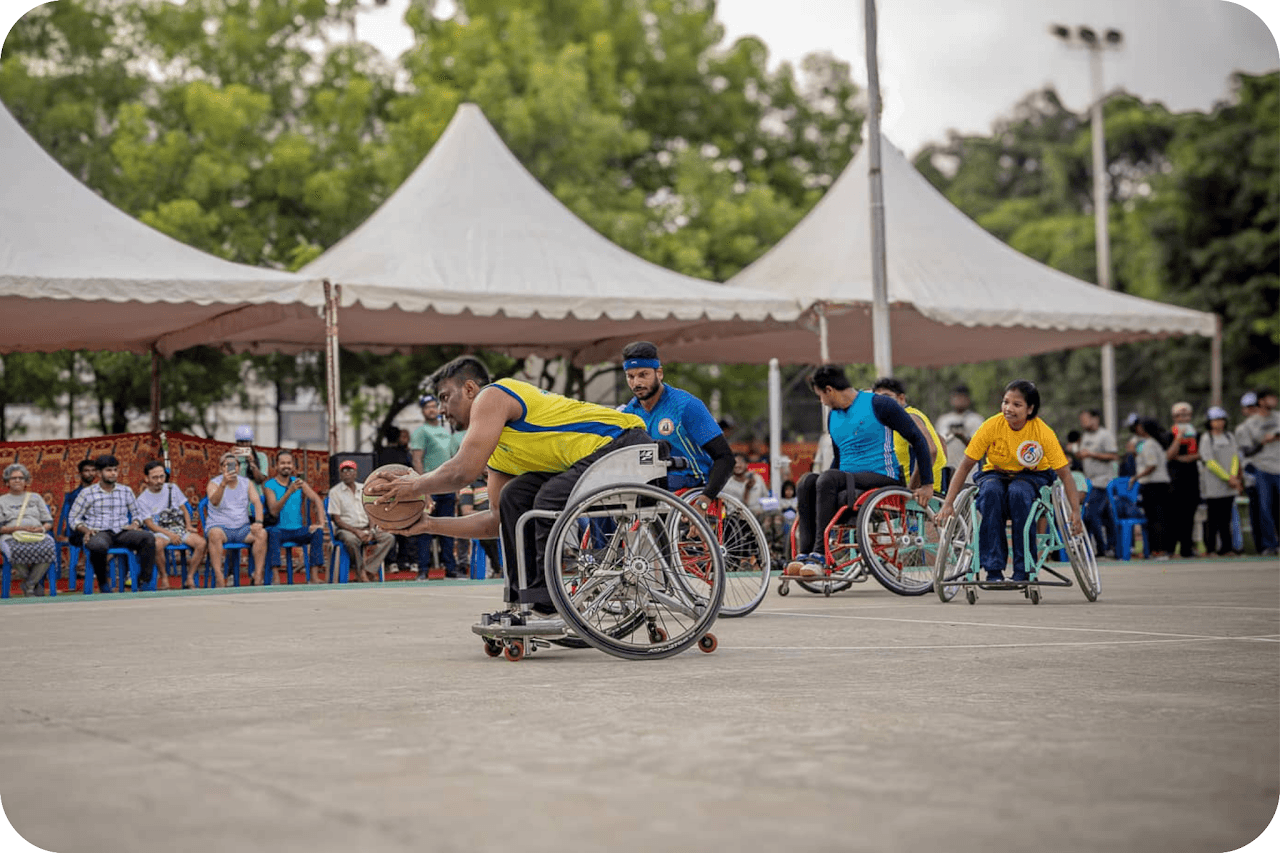
Centre for Para-Sports Technology & human movement analysis
IIT Madras proposes a national Centre for Para-Sports Technology and Human Movement Analysis, a five-year facility for indigenous sports equipment, para-athlete assessment and accessible biomechanical analysis. Racing wheelchairs, throwing frames and shooting platforms are largely imported and rarely designed for Indian athletes, while marker-based motion capture costs around Rs. 2.5 crore and almost no Indian facility is set up for para-athletes. The Centre brings measurement, fabrication, athlete services and certification under one roof.
By: Prof. Manish Anand
Cause: Inclusive Technology
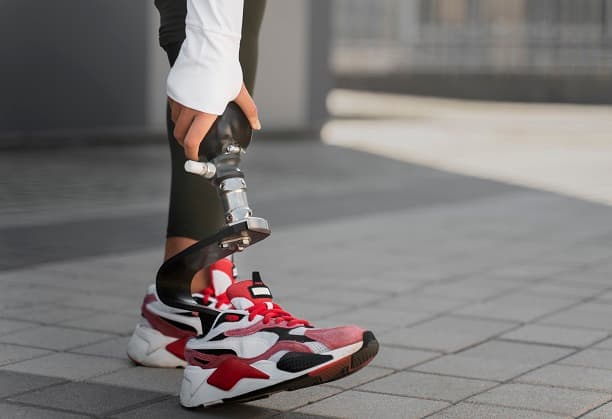
Proposal for State-of-the-Art Motion Capture System
This CSR-ready project equips IIT Madras' GAMA lab with a cutting-edge motion capture system to analyse human biomechanics in detail. The facility will power research and training programmes that inform the design of smart prostheses, wheelchairs, and other assistive devices tailored to millions of users. Corporate partners can accelerate innovation, product customisation, and user outcomes in India's growing assistive technology ecosystem.
By: Prof. Manish Anand
Cause: Inclusive Technology
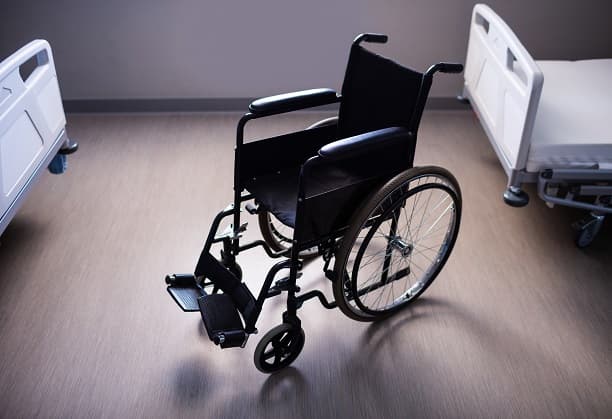
Proposal for the development of a folding wheel for wheelchairs
This CSR-ready project aims to design a robust, lightweight folding wheel that lets wheelchair users quickly collapse and store their chairs without sacrificing safety or stability. The innovation will ease travel in cramped vehicles and public transport, making mobility more practical and affordable, especially in low- and middle-income countries. Corporate partners can directly expand independence and everyday access for wheelchair users worldwide.
By: Prof. Manish Anand
Cause: Inclusive Technology

Clinical evaluation of usability of arm rehabilitation robot and motorized arm support
This study focuses on the clinical evaluation of the usability of arm rehabilitation robots and motorized arm support devices in rehabilitation settings. By assessing user experience, functionality, and therapeutic effectiveness, the project aims to improve upper-limb recovery outcomes and support the development of patient-centered rehabilitation technologies.
By: Prof. Sujatha Srinivasan
Cause: Inclusive Technology