

Open Projects in Manufacturing
Explore research and CSR opportunities at
IIT Madras in this domain.
Manufacturing
10 proposals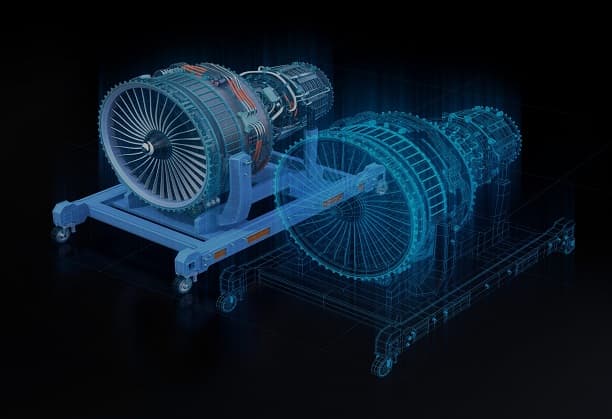
Digital twin framework for injection molding with real-time condition monitoring and quality inspection
This project proposes a digital twin framework for injection molding that fuses data from multiple sensors with advanced quality inspection methods to create a real-time virtual replica of the process. By enabling continuous monitoring, anomaly detection, and predictive maintenance, the system will help manufacturers enhance production efficiency, minimise defects in complex plastic parts, and generate actionable insights for optimising operations in line with smart manufacturing goals.
By: Prof. Arunachalam N
Cause: Manufacturing
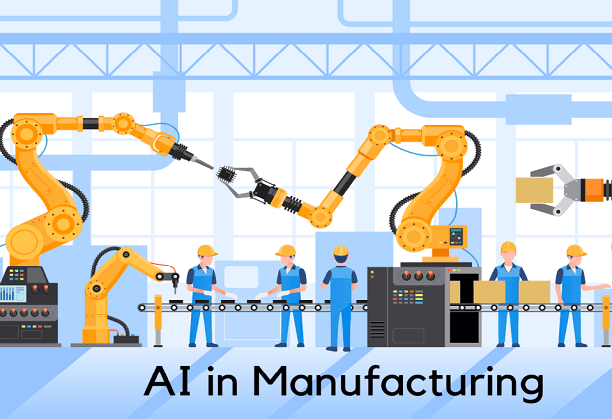
Explainable artificial intelligence for quality management in manufacturing
This project aims to build a scalable quality management platform that leverages explainable AI models such as SHAP to reveal how different process variables contribute to yield loss and product quality issues. By combining powerful machine learning with interpretable Shapley value-based explanations, the system will support engineers in diagnosing root causes, optimising process settings, and deploying transparent AI tools that can be trusted by operators
By: Prof. RK Amit
Cause: Manufacturing

Concept Note: Valorization of mixed construction and demolition waste for sustainable highway granular subbase layers
This project focuses on the valorization of mixed construction and demolition (C&D) waste to create sustainable, high-performance granular subbase layers for highway construction. By transforming waste materials into valuable construction resources, this initiative addresses the dual challenges of waste management and sustainable infrastructure development while reducing dependence on virgin aggregates. The research evaluates the technical feasibility, performance characteristics, and environmental benefits of utilizing C&D waste in highway applications, contributing to circular economy principles and sustainable construction practices.
By: Prof. Surender Singh
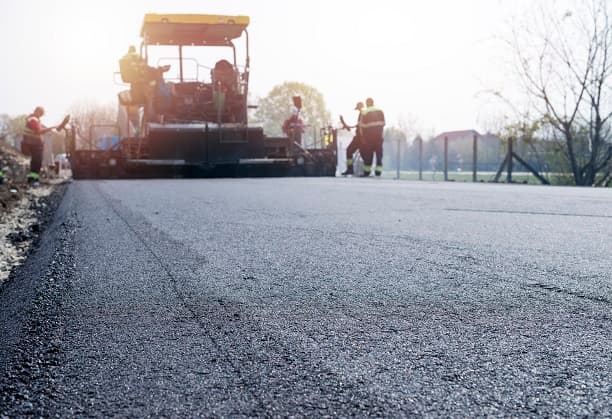
Concept Note :Low-carbon pavement selection: A life cycle comparison of asphalt and rigid pavements
This research project conducts a comprehensive life cycle assessment (LCA) comparing asphalt and rigid concrete pavements to identify low-carbon pavement solutions for sustainable transportation infrastructure. The study evaluates carbon emissions, energy consumption, material production, construction processes, maintenance requirements, and end-of-life impacts across the entire pavement lifecycle. By providing evidence-based insights into the environmental performance of different pavement types, this research supports informed decision-making for road construction projects aimed at reducing the carbon footprint of India's expanding highway network.
By: Prof. Ravindra Gettu
Co-PI: Prof. Surender Singh
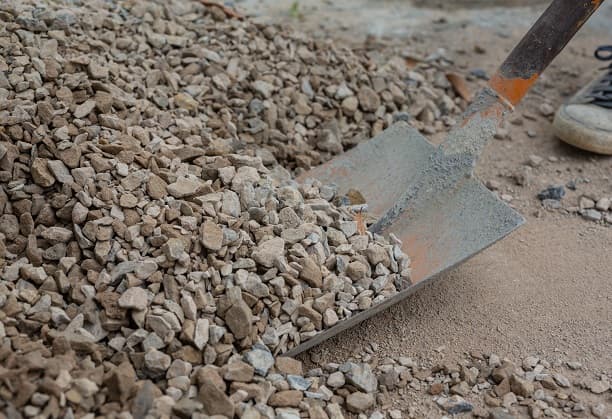
Concept Note: Reducing curing water demand in concrete pavements using recycled concrete aggregates
This innovative research project explores the use of recycled concrete aggregates (RCA) to reduce curing water demand in concrete pavements, addressing critical water scarcity challenges in construction. By leveraging the moisture retention properties of recycled aggregates, the study aims to develop concrete mix designs that require significantly less external water during the curing process while maintaining structural performance and durability. This dual-benefit approach promotes both circular economy principles through waste utilization and water conservation, making concrete pavement construction more sustainable and resource-efficient.
By: Prof. Manu Santhanam
Co-PI: Prof. Surender Singh
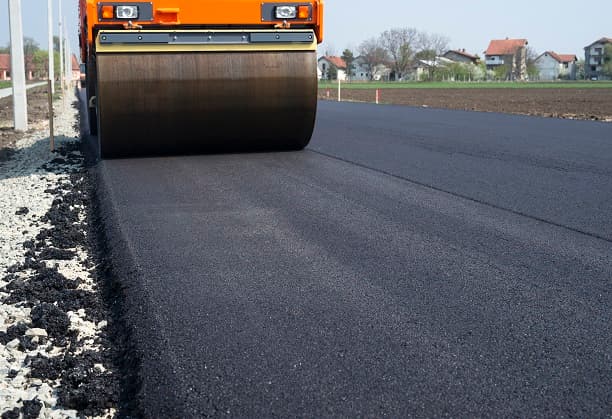
Concept Note: Towards sustainable roller compacted concrete pavements using recycled concrete aggregates
This research project focuses on developing sustainable roller compacted concrete (RCC) pavements by incorporating recycled concrete aggregates (RCA) as a partial or complete replacement for virgin materials. The study evaluates the engineering properties, durability, cost-effectiveness, and environmental benefits of RCA-based RCC pavements for highway and industrial applications. By combining the construction efficiency of roller compacted concrete with the sustainability advantages of recycled materials, this initiative contributes to circular economy practices and reduces the environmental footprint of pavement infrastructure.
By: Prof. Manu Santhanam
Co-PI: Prof. Surender Singh

Concept Note: Longitudinal citizen-driven monitoring of construction & demolition waste using IITM Mobile App
This innovative project leverages citizen participation through an IIT Madras-developed mobile application to enable longitudinal monitoring and reporting of construction and demolition (C&D) waste across urban areas. The app empowers residents to document, geolocate, and track C&D waste generation, illegal dumping, and waste management practices in their communities, creating a comprehensive crowdsourced database for municipal authorities and researchers. By engaging citizens as active stakeholders in environmental monitoring, this initiative promotes accountability, improves waste management planning, and supports data-driven policy decisions for sustainable urban development.
By: Prof. Nikhil Bugalia

Effective utilization of Shotcrete Liners to Enhance the Performance of Tunnels under Earthquake Loads
This project studies how shotcrete liners interact with jointed rock masses in tunnels subjected to static and seismic loading, combining laboratory experiments with numerical analyses. By developing empirical models for shear behaviour and validating them through servo-hydraulic dynamic testing, the research will guide safer tunnel support designs that improve reliability during earthquakes, reduce infrastructure damage, and enhance protection for users of underground transport and utility systems.
By: Prof. V B Maji
Cause: Manufacturing
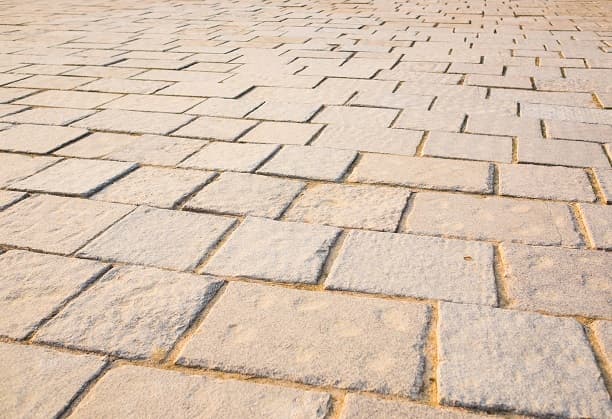
Fabrication of Paver Blocks for Low-Volume Rural Roads from Deteriorated Pavements
This project addresses solid waste management challenges in remote and high-altitude regions by converting deteriorated pavement waste, or reclaimed asphalt pavement, into sustainable concrete paver blocks for rural roads. Through systematic RAP recycling methodologies, aggregate characterisation, laboratory optimisation of CPB mixes, and on-site field trials, the initiative aims to produce practical guidelines that reduce construction-related carbon emissions, conserve natural aggregates, and open new livelihood opportunities for local communities.
By: Prof. Surender Singh
Cause: Manufacturing

Development of new-generation brazed superabrasive tools and its manufacturing technologies
This project targets current limitations in superabrasive tool fabrication by creating advanced brazing technologies for high material removal rate grinding applications and designing an indigenous test rig for large-diameter wheels. Through optimisation of grit placement, distribution, and bond strength, and close collaboration with industrial partners, the initiative aims to deliver next-generation grinding tools that boost productivity, reliability, and automation readiness across the machining and grinding sectors.
By: Prof. Amitava Ghosh
Cause: Manufacturing